Rabat – European Commission President Ursula von der Leyen has reaffirmed the European Union’s commitment to migration and security cooperation with Morocco while pledging support for Spain to return migrants who remain irregularly in the Spanish-occupied city of Ceuta.
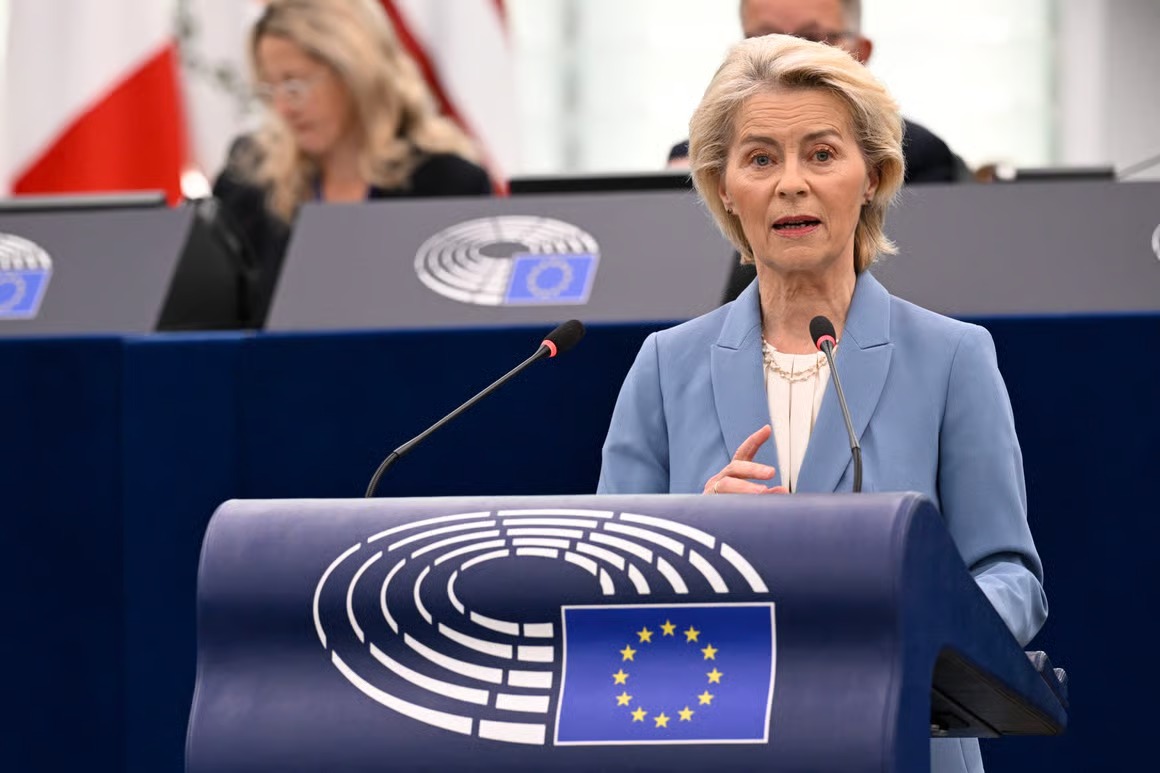
In a letter to EU leaders ahead of a European Council summit, von der Leyen said the bloc would continue working with Morocco toward a future strategic and comprehensive partnership, while drawing lessons from the recent migration crisis in the Spanish enclave.
“We will continue to engage with Morocco with a view to a future strategic and comprehensive partnership,” she wrote, adding that the EU would work to strengthen cooperation on migration and security, Europa Press reported.
Von der Leyen also said the European Commission would continue supporting Spanish authorities in ensuring the “rapid return” to Morocco of people who entered Ceuta and now remain in the city without authorization. She cited Morocco’s commitment to readmit those concerned.
The proposed cooperation includes preventing irregular departures, strengthening border management, sharing intelligence before migrants reach EU borders, improving returns and readmission, and combating migrant smuggling.
Ceuta migration crisis
The statement follows a major migration surge in late July, when tens of thousands of people crossed into Ceuta from Morocco by land and sea. The arrivals placed pressure on local authorities and renewed debate across Europe over border security and migration management.
The crisis has tested relations between Morocco and Spain, two key partners in European migration management. Although the two countries cooperate on border security and the fight against migrant smuggling, the scale of the arrivals has raised questions about the effectiveness of existing arrangements.
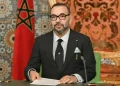
Morocco has also called for a reassessment of its migration cooperation with Spain. In an October 9 speech, King Mohammed VI said the current model had reached its limits and called for a new approach based on shared development, economic strength, and regional stability.
The monarch added that Morocco’s partnerships with other countries are a sovereign choice and a voluntary commitment that must not be subject to “pressure, threat, or blackmail.”
He also announced plans to present Morocco’s partners with a new cooperation strategy based on shared development, economic competitiveness, and regional stability.
EU seeks stronger migration controls
The European Commission has presented the Ceuta crisis as evidence that the EU needs to improve its response to sudden, large-scale arrivals.
In an October 2 policy update, the Commission said it was working on a five-point plan to prevent and respond to such emergencies, including stronger border protection and more effective returns.
Von der Leyen has also argued that the EU must remain vigilant despite a broader decline in irregular border crossings.
Her latest message signals that Brussels intends to maintain its partnership with Rabat while seeking more effective mechanisms to manage migration and return people who do not have the right to remain in the EU.