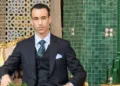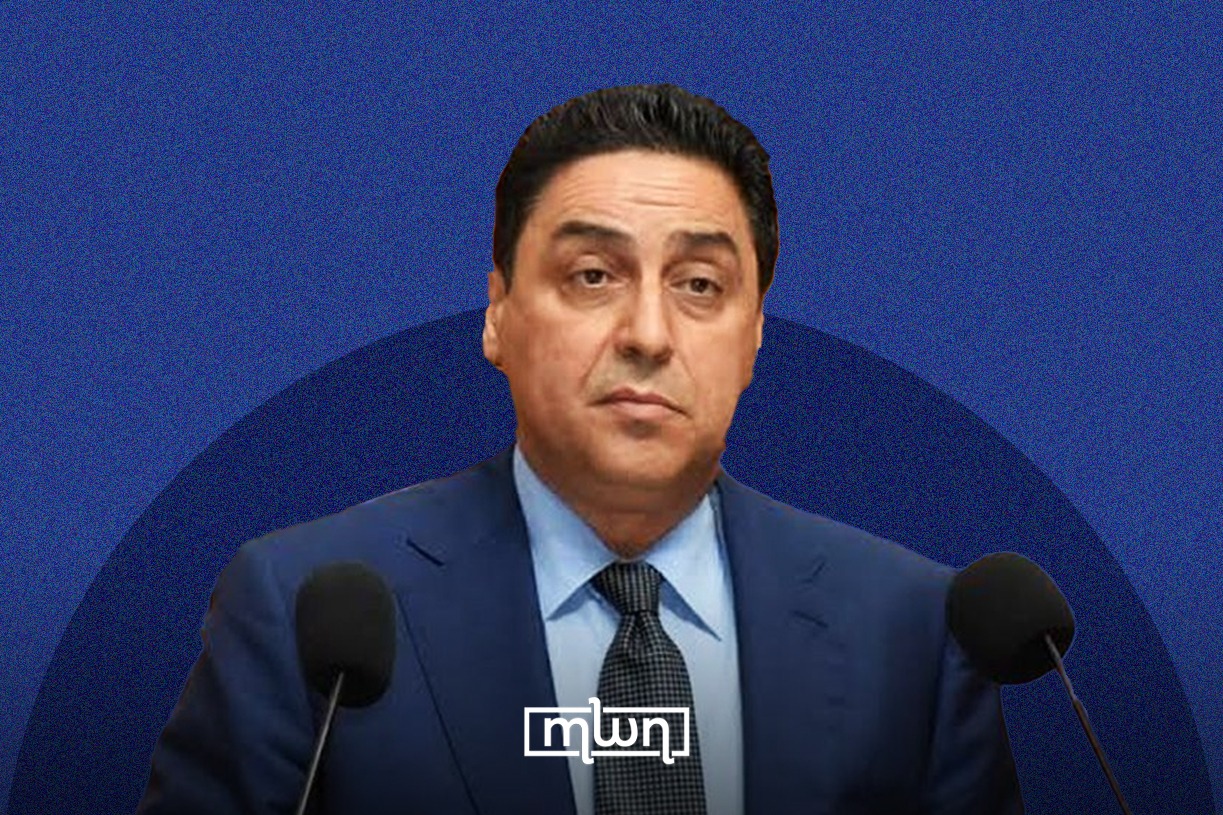
King Mohammed VI has appointed Omar Hejira as Minister Delegate to the Minister of Industry, Trade, Investment and Economic Inclusion, in charge of Foreign Trade, in the new government led by Head of Government Fatima Ezzahra El Mansouri.
The Al Istiqlal politician previously served as Secretary of State to the Minister of Industry and Trade, in charge of Foreign Trade, following his appointment by King Mohammed VI on October 23, 2024.
Born in Oujda in 1967, Hejira holds a doctorate in pharmacy from the Medical University of Silesia in Katowice, Poland, where he graduated in 1993.
Hejira served as mayor of Oujda for two terms, from 2009 to 2021. He has also represented the Oujda provincial constituency in the House of Representatives for four terms since 2007.
In 2021, he became the first vice-president of the Oriental Regional Council.
In May 2024, Hejira was elected president of the Istiqlal parliamentary group in the House of Representatives and coordinator of the parliamentary groups representing the parties in the governing majority.
He also served as a member of the Parliamentary Assembly of the Council of Europe from 2010 to 2015 and has been a member of the Inter-Parliamentary Union since 2021.
Foreign trade strategy
Foreign trade is a key sector in Morocco’s economy, supporting investment and contributing to the country’s job market.
“The growth of international trade in Morocco has been such that it has evolved into a genuine engine of economic growth, with a whole range of varied and elaborate goods and services on offer,” a government guide on the sector reads. It adds that, as trade and production chains become increasingly specialized worldwide, no country can claim to be entirely self-sufficient.
In 2025, Morocco launched its 2025-2027 Foreign Trade Roadmap, aiming to create 76,000 new jobs and generate an additional MAD 84 billion ($8.4 billion) in export revenues.
The new roadmap under Morocco’s former government said it focuses on three strategic objectives: job creation, expanding the export base by establishing 400 new export companies annually, and boosting export revenues.
In January, Hejira revealed that the plan was based on 524 proposals collected during a regional tour, with 80% coming from Morocco’s regions and 20% from the ministry.
Moroccan government data show that 92% of Moroccan exports are concentrated in six key sectors: automotive (34.4%), agriculture and food industries (19.3%), phosphates and derivatives (17.8%), leather products (10.7%), aviation (5.3%), and electronics (4.3%).