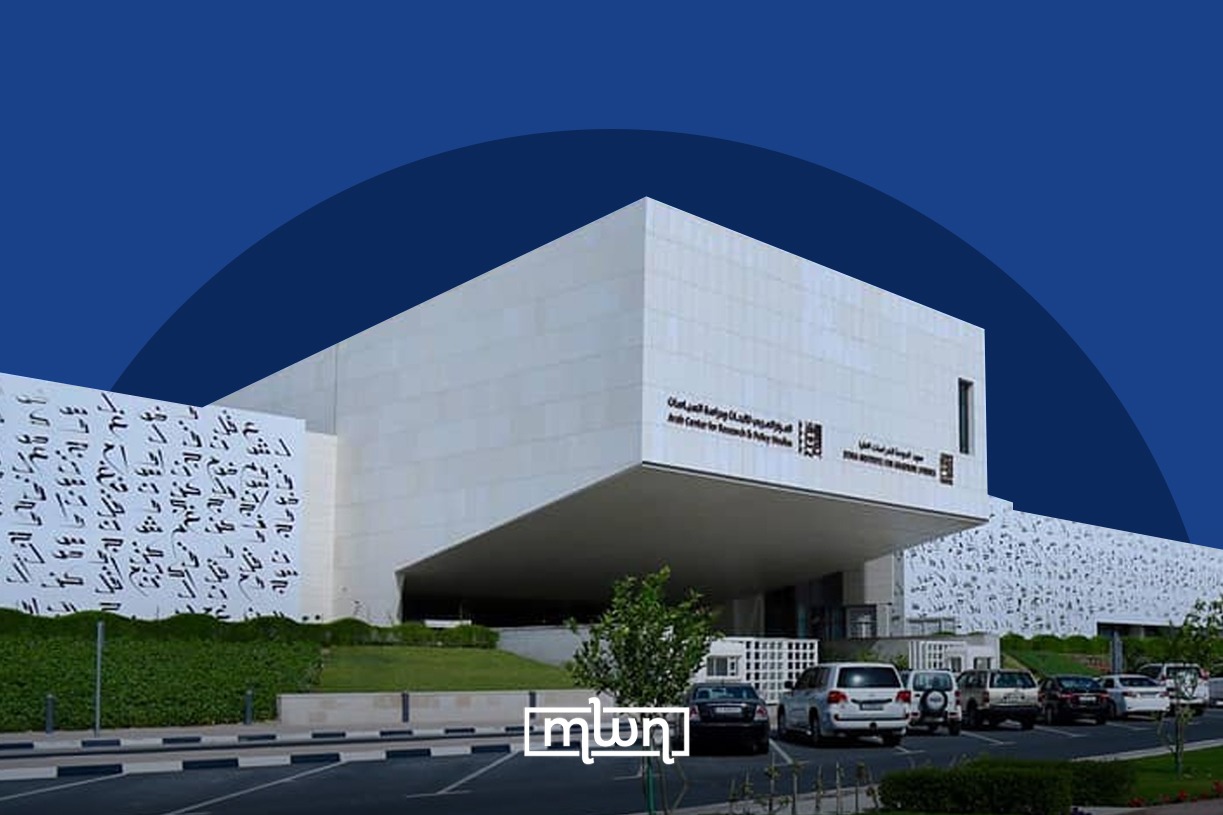
Doha – For Moroccan students looking beyond traditional destinations for graduate studies, Qatar has emerged as another option in the Arab region. Among the institutions attracting students from across the region is the Doha Institute for Graduate Studies (DI).
The Qatari institute was established in 2014 by the Arab Center for Research and Policy Studies to promote Arabic as a medium for academic research.
DI offers 19 master’s and eight PhD programs distributed across its two schools: the School of Social Sciences & Humanities and the School of Economics, Administration and Public Policy.
Students are expected to be proficient in Arabic, the main medium of instruction. They must also demonstrate a good command of English, as it may be used for research and academic reviews.
The Doha Institute offers competitive scholarships for outstanding students, including merit-based (Tamim) and need-based (Sanad) scholarships. These financial packages usually include a full tuition waiver, free housing, a monthly stipend, and local health insurance.
Applications for the 2027-2028 academic year opened last month. Interested students can still apply until January 15, 2027. Applicants should generally attach a copy of their bachelor’s (and master’s) degrees and transcripts, a copy of their language-test results (unless exempted), a statement of interest, and an updated CV. Academic reference letters must also be submitted directly by former professors through the online application form.
Ahmed Berka, a Moroccan graduate of the Media Studies program from the Class of 2025, shared his experience at DI with Morocco World News (MWN).
“As a Moroccan student, I found the application process straightforward and accessible. It mainly required preparing the necessary academic documents. The process was clear, and being an international student from Morocco did not make it particularly complicated,” Barkasaid.
With 151 graduates across its first nine cohorts, Moroccan alumni constitute the second-largest non-Qatari nationality group among the Doha Institute’s alumni, following Palestinians, who account for 180 graduates.
For Soukaina Ajaoud, Manager of the Dean’s Office at the Student Affairs Deanship, this presence is matched by a reputation for excellence. “What draws the most attention is their truly remarkable presence in fields such as philosophy, linguistics, sociology, and media,” she told MWN.
Ajaoud noted that Moroccan students stand out “not in terms of quantity, but quality; they have a very high level of intellectual and critical thinking.”
Beyond the classroom, she added, they enrich campus life. “Through their participation in activities, clubs, and student initiatives, they have the opportunity to introduce their own culture and engage with the cultures of their fellow students,” Ajaoud explained, adding that the experience extends to “building friendships and human and professional relationships that last beyond graduation.”
Barka echoed the value of that academic environment. “I had the opportunity to develop my research skills, engage with different perspectives, and deepen my understanding of media studies in the Middle East and North Africa (MENA) context,” he added.
For Moroccan students considering the institute, Ajaoud advises them to review the programs carefully, choose one that matches their research interests, prepare their applications early, explain their motivations in their own voice, and reach out to current students and alumni for a clearer picture of life at the institute.
For those looking to continue their academic journey in Qatar, DI may be an option worth exploring.