






















































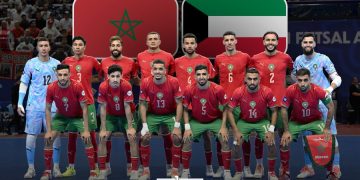



There are moments when sporting disappointment, however legitimate and understandable, threatens to make us lose sight of what truly matters. The Court of Arbitration for Sport’s ruling on the AFCON 2025 final has left Moroccan fans deeply bitter, and no one can blame them. They love their national team, just as every nation does. But anger that goes too far ends up serving the very people it claims to oppose. It plays straight into the hands of the country’s enemies and feeds their agenda.
Today, more than ever, Morocco needs calm, clear heads, dignity, and the ability to rise above the fray.
A legal defeat, however painful, must not become a diplomatic one, still less a rift with Africa. And that is exactly the trap some would like us to fall into. Turning a sporting dispute into a crisis between peoples, stoking resentment, piling on provocations, and goading Moroccan fans into behavior that would tarnish their own country’s image: this is precisely what our enemies want, and they are hoping for it with all their hearts.
Let’s not hand them that victory. Instead, we need to draw a clear line between institutional responsibility, sporting decisions, and relations between peoples. CAF can be criticized, its dysfunction called out, its decisions questioned. Morocco has every right to defend its interests and demand answers. But the Senegalese people are not CAF, any more than African fans are to blame for an institution’s failings.
Africa is more than a football match or a courtroom verdict
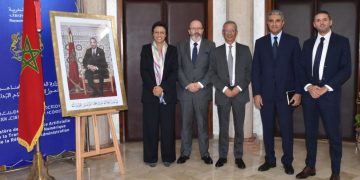
Over the years, Morocco has built a unique relationship with its continent. That relationship was not built overnight, nor on slogans. It is the product of vision, patient diplomacy, and unwavering commitment. King Mohammed VI’s many visits to countries across Africa have helped forge economic, political, cultural, religious, human, and fraternal ties with much of the continent. Those visits gave substance to an ambition and a heartily pan-African vision of Morocco not looking at Africa from a distance, but seeing itself as an integral part of it.
The kingdom’s return to the African Union, after years of absence, was a major milestone in this continental comeback. King Mohammed VI’s emotion as he delivered his speech at the AU headquarters is still vivid in our minds. Some fought hard against that return. Yet it happened, thanks to the support of friendly nations and peoples across the continent who understood that Morocco’s place was at the heart of its African family.
These ties are precious. They must not be sacrificed on the altar of a passing anger.
Those who seek to isolate Morocco, cut it off from its African roots, and weaken the bridges it has patiently built know full well that football can become a powerful tool of manipulation. All it takes is to inflame passions, provoke reactions, turn social media into arenas of hate, and let the ugliest images make the rounds across the continent.
Morocco has nothing to gain from playing this game
A country’s greatness is not measured by its sporting victories alone. It also shows in how it weathers adversity, keeps its emotions in check, and holds fast to its principles when times get tough.
King Mohammed VI offered a powerful example of this when he pardoned the Senegalese nationals convicted of vandalism during that infamous AFCON 2025 final, a match whose handling by CAF was marred by a string of failures, interference, and incompetence.
This royal gesture goes far beyond the judicial sphere. It carries both political and human meaning. It reminds us that Morocco knows the difference between necessary firmness and pointless grudges, between justice and revenge, between defending its rights and preserving its bonds with brotherly nations. A pardon does not mean the events never happened, and it does not erase anyone’s responsibility. It means Morocco has chosen not to let one painful episode jeopardize a relationship rooted in a much longer history.
It is a mark of self-confidence. A country secure in its identity has no need to answer every provocation with escalation. It knows its strength lies in the continuity of its vision and the depth of its alliances.
Moroccan fans must understand that they, too, are ambassadors of that image. Their passion is an asset. Their attachment to the flag is legitimate. Their pride in being Moroccan is a strength. Their disappointment is understandable, too. But their behavior must never become ammunition for those who dream of portraying Morocco as arrogant, hostile to its neighbors, or a stranger to Africa.
Remaining dignified is our best tribute to our team, our country, and our sovereignty
We can challenge a verdict without insulting a people. We can denounce CAF’s shortcomings without giving in to hatred. We can stand up for Morocco without turning our back on Africa. We can be deeply disappointed without becoming pawns of those who seek to divide us.
Morocco still has much to achieve on the continent. It has partnerships to strengthen, investments to pursue, projects to develop, and a 2030 World Cup to prepare, with Africa and for Africa. Its African future will not be decided by one night of angry comments. It will be decided by the strength of its relationships with its partners and the trust other peoples place in it.
AFCON 2025 will leave bitter memories, along with questions CAF now has a moral duty to answer. But it must not wipe out decades of diplomatic effort, nor cast doubt on the plain truth that we belong in Africa.
Morocco belongs in Africa, and Africa is part of Morocco’s story
So let’s not allow a verdict, however debatable or painful, to pull us away from that truth. The anger will pass. The peoples will remain.
The bridges we have built must endure.
And Morocco’s greatness isn’t won or lost off the pitch. It shows in the ability to stand tall, dignified, and true to its values, even when the result doesn’t go our way.