
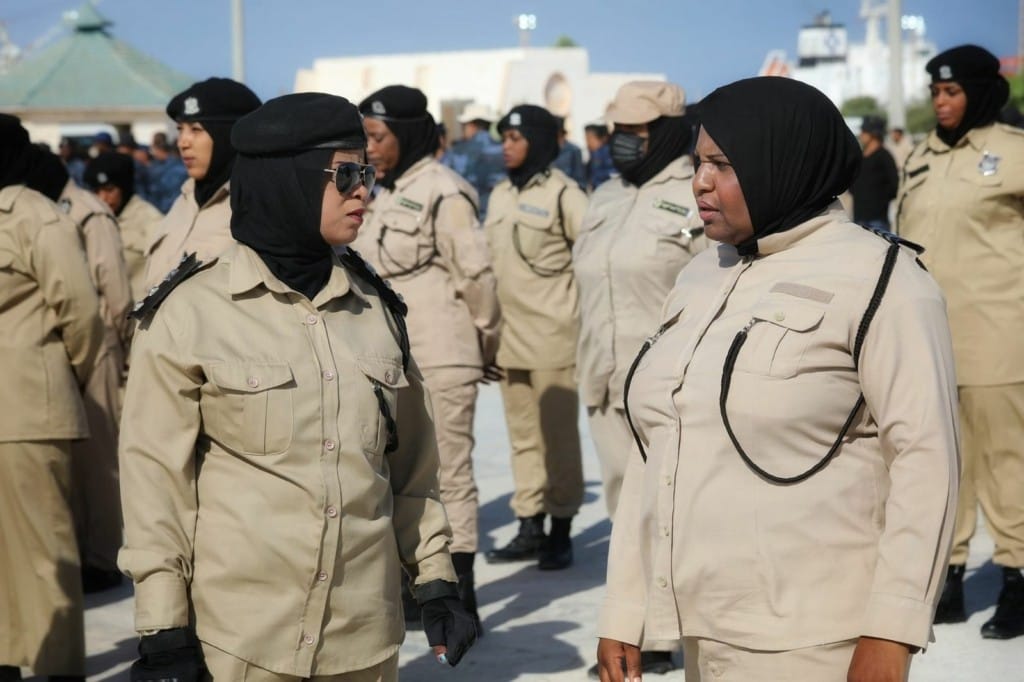
Rabat – Libya is embroiled in a heated debate following statements by Emad Al-Trabelsi, Libya’s acting Interior Minister under the Government of National Unity (GNU), who announced plans to reestablish a “morality police.”
The morality police will be tasked with upholding societal values and curbing behaviors he described as “inconsistent” with Libyan traditions. The proposed force, set to be operational next month, will monitor social behavior, enforce modesty standards, and regulate certain establishments.
In a recent press conference, Al-Trabelsi detailed that these specialized units would operate in every security district to enforce adherence to “social values” and restrict foreign trends in fashion and media.
The morality police would enforce a range of social regulations, including prohibiting certain “imported” fashion trends, regulating public interactions between men and women by preventing them from sitting together “inappropriately” in public spaces, and shutting down non-compliant hookah lounges and barbershops.
Read also:
Al-Trabelsi also announced plans to make the hijab mandatory in schools from the fourth grade onward, as well as place restrictions on women’s travel, specifically requiring women to be accompanied by a mahram (a male guardian) for certain trips.
“Personal freedom does not exist here in Libya,” Al-Trabelsi stated, urging those who desire such freedoms to move to Europe, where, he said, they “can have their personal freedoms.”
Al-Trabelsi’s statements have prompted strong reactions among activists, journalists, and citizens, who see the proposals as a threat to civil liberties.
The National Commission for Human Rights in Libya, a local civil rights organization, issued a statement condemning Al-Trabelsi’s intentions as legally unfounded. The organization called on the Libyan Attorney General to investigate the announcement, arguing that it contradicts Libya’s legal obligations and dismisses constitutional protections.
Al-Trabelsi’s comments became a trending topic on social media, with many commenters criticizing the measures as an infringement on personal freedoms and a step backward for individual rights, particularly for women.
But some social media users supported the initiative, viewing it as a necessary step to preserve Libya’s traditional values and societal norms.