 Join on WhatsApp
 Join on Telegram
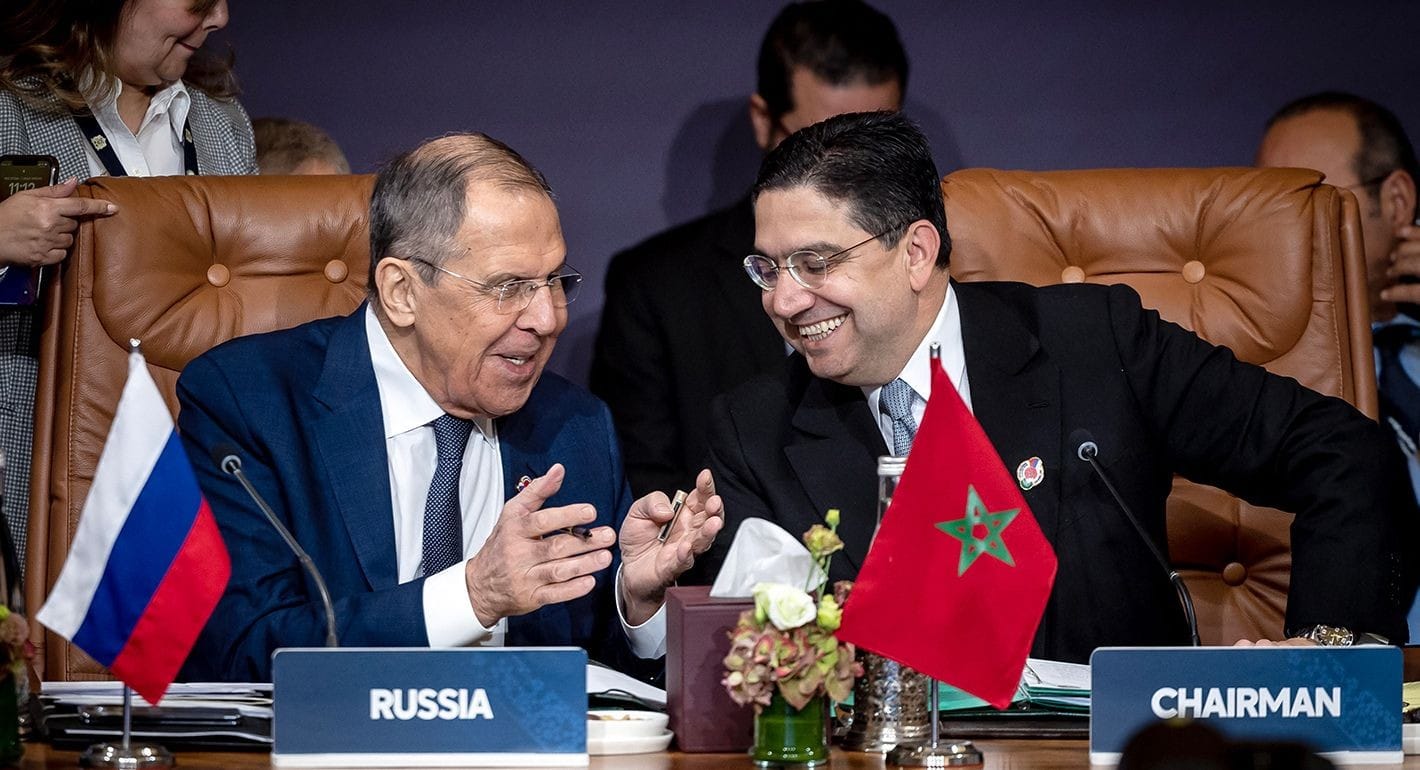
Doha – Morocco has substantial economic ties with Russia but is trying to steer a middle course in the wake of Russia’s invasion of Ukraine, according to a report published Thursday by the Carnegie Endowment for International Peace.
The report, titled “A Mixed Balance Sheet: Russia’s Uneven Influence in the Maghreb,” examines Russia’s impact and ambitions across North Africa, including its relations with Morocco. While Morocco is not a focal point of Russia’s regional strategy compared to Algeria and Libya, the two countries have significant trade and economic links.
“Morocco does not factor significantly into Russia’s strategy to gain influence in the Maghreb, given Rabat’s enduring security ties with the United States and Europe,” the report states. “That said, Morocco has substantial economic relations with Russia.”
Trade between Morocco and Russia grew by 42% in 2021 alone, according to the report. Morocco depends on Russian imports of key agricultural products such as ammonia and fertilizer to sustain its farming sector, which employs an estimated 45% of the Moroccan workforce and contributes to 15% of its GDP. Coal, petroleum, fishing, and nuclear energy are other areas of substantial cooperation.
As a result, amid growing Western pressure on Russia since the start of the Ukraine war, “Morocco has tried to steer a middle course,” the report says. This was exemplified by Morocco refraining from casting a vote against Russian aggression during an early 2023 UN General Assembly meeting.
However, Morocco was also the first Maghreb country to send military aid to Ukraine, in the form of twenty renovated T-72B main battle tanks. Morocco enjoys the status of being a major non-NATO ally of the United States and routinely participates in US-sponsored military exercises in the region.
Read also: Russia Turns to Morocco as New Hub for Oil Transfers, Tech Imports Amid Sanctions
The report also notes that Morocco “reportedly seeks to preserve Russia’s position of qualified neutrality on the Western Sahara dispute.”
Despite Moscow’s declared support for Sahrawi “self-determination” and backing of the insurgent Polisario Front, “some analysts have argued that Morocco has been encouraged by the Kremlin’s voting record at the United Nations and reportedly believes Russian officials can exert a moderating influence on Algeria’s belligerency on the issue.”
As Morocco’s chief regional rival, Algeria has seen a recent warming of ties with Russia, especially in the military domain. But the report concludes that like other Maghreb states, Morocco will likely continue charting an autonomous path.
“Leery of picking sides, governments in Algeria, Morocco, and Tunisia have long preferred to keep their options open,” it states. “They continue to hedge and diversify their relations with the many other powers on the scene, including the United States and European countries, despite their frustrations, and more recent arrivals such as China, Turkey, and the United Arab Emirates.”
The report, written by Frederic Wehrey, a senior fellow in the Middle East Program at the Carnegie Endowment for International Peace, is part of a series analyzing Russia’s resurgence in the Middle East and North Africa in recent years.