


 Join on WhatsApp
  Join on Telegram
 Rabat- Morocco’s Ministry of Youth, Culture, and Communication announced on Friday, in collaboration with the National Agency for Land Conservation, Cadastre, and Cartography (ANCFCC), the launch of the country’s inaugural national archaeological map.
This initiative aims to systematically catalog Morocco’s cultural heritage, bolster preservation efforts, and enhance the management of archaeological sites and monuments.
According to a ministry statement, the map consolidates known and previously documented archaeological sites sourced from data provided by the National Institute of Archaeology and Heritage Sciences and the Cultural Heritage Directorate.
Currently, the map features a compilation of published sites across regions including Dakhla, Essaouira, Casablanca, Rabat-Salé-Kenitra, Asilah, and the Oriental region. Future updates will expand coverage to include additional sites in Tan Tan, Zagora, Tamanart, Rehamna, and Beni Mellal-Khenifra.
Alongside well-documented sites spanning prehistoric epochs to the modern era, discoveries made during scheduled research and cultural heritage inventories by scientific teams are also included, the ministry highlighted.
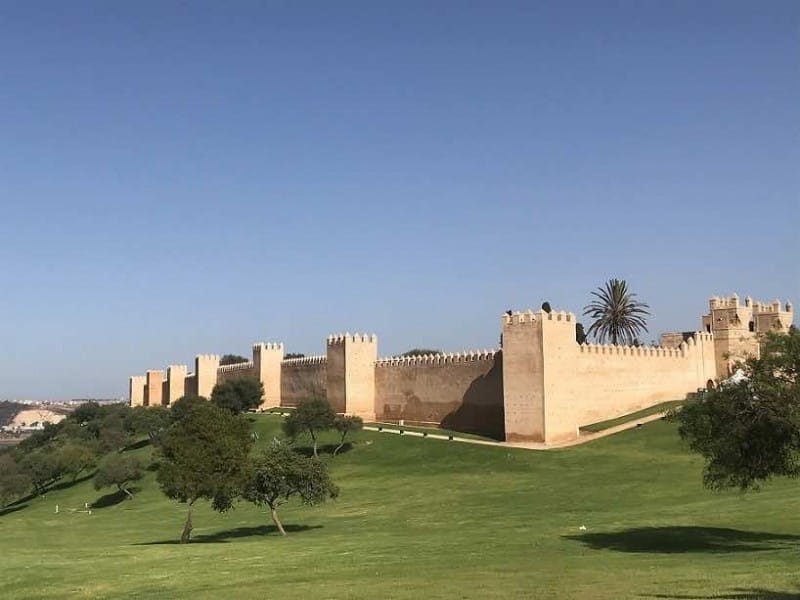
Read also: Major Archaeological Discoveries Unearthed in Morocco’s Historic Chellah Site
In parallel with the national archaeological map, the Ministry of Youth, Culture, and Communication, through the National Institute of Archaeology and Heritage Sciences and the Cultural Heritage Directorate, is developing regional digital “predictive” maps.
According to the ministry, these innovative tools will establish a monitoring framework to safeguard archaeological sites, marking a pioneering initiative in Africa. They are designed to identify priority areas for future archaeological exploration.
In collaboration with ANCFCC, the ministry is also currently crafting regional atlases aimed at integrating cultural heritage, including archaeological sites, into tourism planning and development projects.
The creation of the national archaeological map represents a significant milestone for Moroccan archaeology. The ministry warned, however, that its preservation will require constant updates to reflect new discoveries, survey findings, and regional inventories.
As it continues to be enriched with newly published data, this evolving document will serve as a vital resource, providing Morocco with its first comprehensive national archaeological map.


