
 Join on WhatsApp
 Join on Telegram
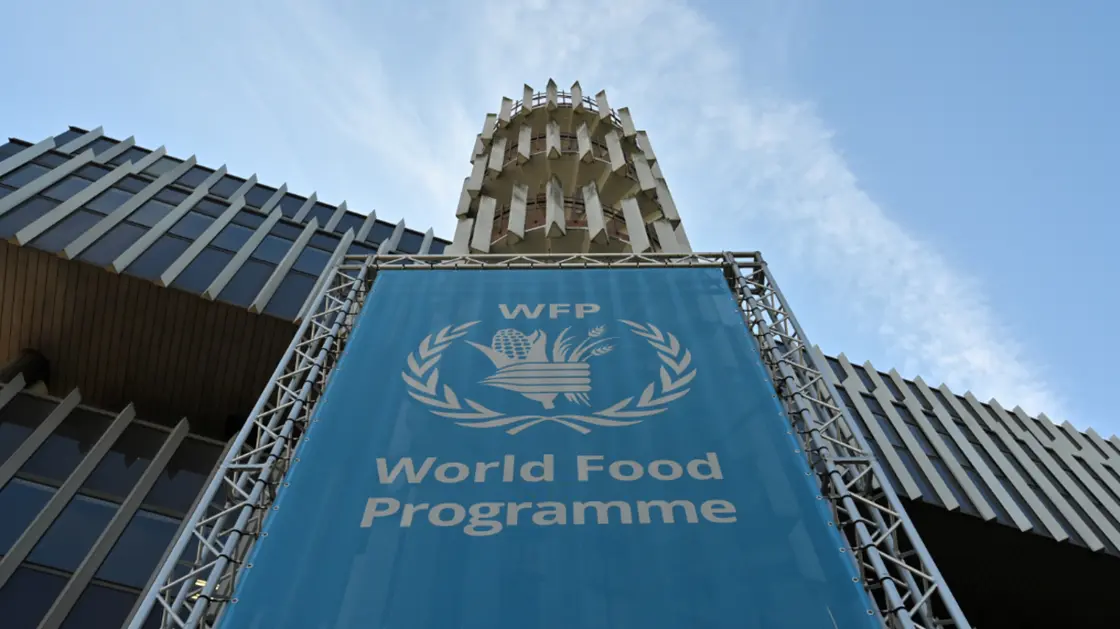
Rabat – Morocco has secured another term on the World Food Programme (WFP) Executive Board for 2026, following a vote held on Thursday in Rome during the 179th session of the FAO Council.
Five countries were in the running for the four seats allocated to Africa within the WFP’s governing body.
Morocco won one of the seats alongside the Democratic Republic of Congo, Angola, and Tanzania. Algeria withdrew its candidacy shortly before the vote.
According to Morocco’s permanent Mission to UN agencies in Rome, the renewed mandate reflects the international community’s confidence in Morocco’s role and its constructive contribution to global food security efforts.
The re-election builds on Morocco’s leadership within the UN humanitarian agency, particularly during its presidency of the Executive Board in 2024.
During that term, Morocco promoted consensus-driven dialogue that enabled the adoption of key decisions on governance and strategic priorities supporting the WFP’s dual mandate: saving lives and improving nutrition for vulnerable populations.
The election also reinforces Morocco’s standing as an active supporter of multilateral cooperation, engaging in global initiatives aimed at strengthening food security and the resilience of food systems.
As a country committed to Africa’s development, Morocco continues to advocate for a continental approach to food security centered on innovation, sustainability, and inclusiveness.
It supports African strategies designed to boost local production, enhance natural resource management, and combat food insecurity, contributing to more resilient food systems across the continent.
Earlier this week, Morocco also secured the vice-presidency of the FAO Council during the 179th FAO conference in Rome, a position it will hold until 2029 within the organization’s 49-member executive body.
The election, according to Ambassador Youssef Balla, Morocco’s permanent representative to UN agencies in Rome, reflects the confidence of member states in the country’s role within FAO governance structures.
He explained that these resources will bolster assistance for developing countries and improve FAO performance. He also welcomed efforts to advance digital transformation, strengthen environmental sustainability, and refine results-based management to ensure an efficient, impact-driven organization.