
 Join on WhatsApp
 Join on Telegram
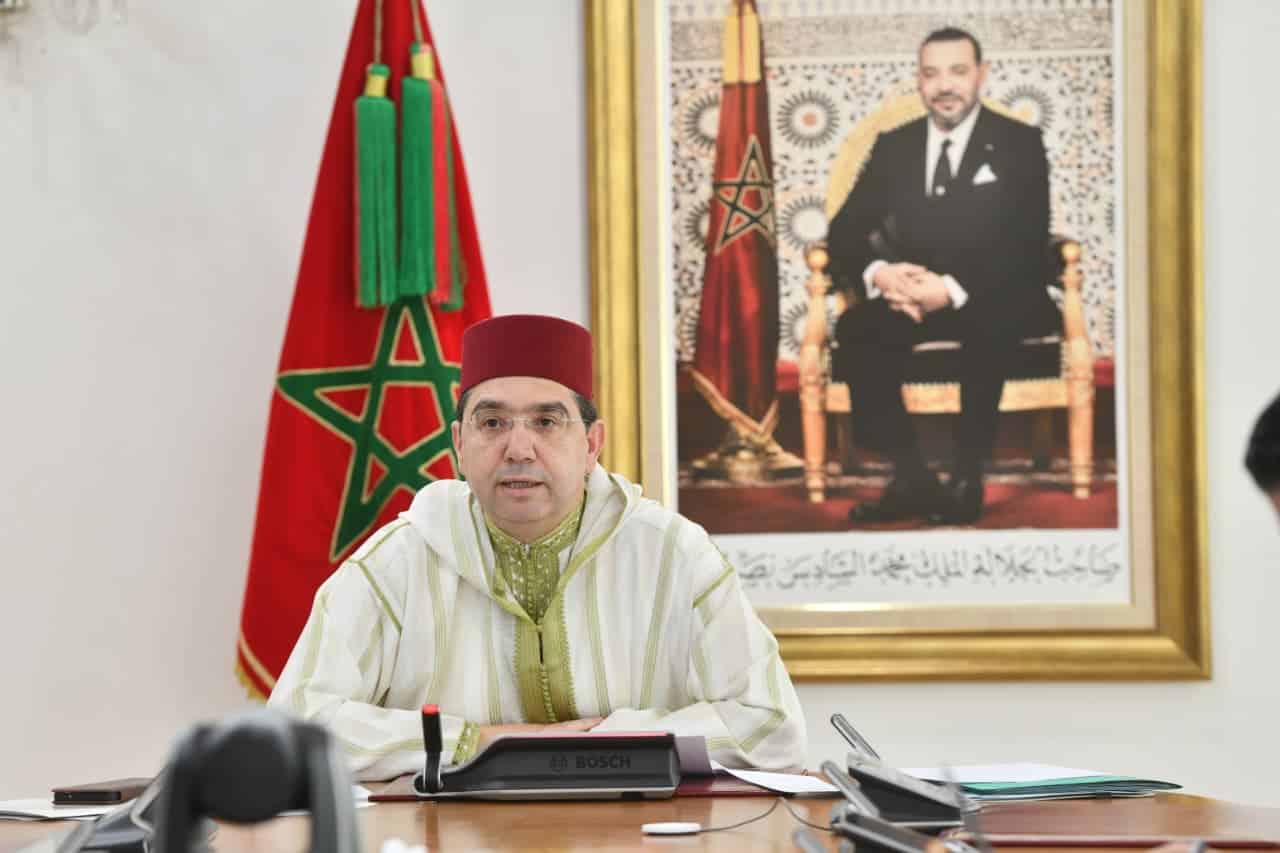
Marrakech – Morocco’s Foreign Minister Nasser Bourita has detailed Rabat’s response to the suspension of the Arabic language and Moroccan culture program in the Spanish regions of Madrid and Murcia, warning that far-right political agendas are driving decisions that harm thousands of Moroccan diaspora children.
Bourita laid out the government’s position in a written response to Haraki MP Aziza Boujrida, who had questioned the future of the program – known by its Spanish acronym LACM – for Moroccan children living in the Iberian country.
The two regional governments justified the suspension, which took effect at the start of the current school year, by citing what they described as a lack of sufficient guarantees for the program’s continuation, serious operational irregularities, insufficient oversight mechanisms, and difficulty verifying the selection criteria for Moroccan teachers and supervisors.
Bourita was blunt in his assessment, however. Such discriminatory practices toward migrants – and toward the Moroccan community specifically – stem from “perceptions built on misleading information and a weak commitment to the values of openness, coexistence and tolerance,” he said.
Morocco’s top diplomat went further, cautioning that Spain’s far-right currents have been building their electoral messaging on an anti-foreigner agenda, “particularly targeting Moroccan citizens,” exploiting preconceived ideas they believe resonate with part of the Spanish electorate.
Morocco did not wait long to act. As soon as Madrid and Murcia announced their withdrawal from the bilateral agreements governing the program, the Moroccan Embassy in Madrid contacted both the Spanish Foreign Ministry and the Education Ministry to seek clarification on the decision and press for its reversal.
Read also: Nearly 100 Andalusian Schools Taught Arabic Language, Moroccan Culture
The issue was then taken up formally at the 16th meeting of the joint committee overseeing the LACM program, held on July 18, 2025, at the Spanish Education Ministry, with representatives from the ministry and the Hassan II Foundation for Moroccans Residing Abroad in attendance. Morocco reiterated its rejection of the two regions’ decisions and called for reconsideration.
The Spanish Education Ministry acknowledged the concerns but told Moroccan representatives that regional educational authorities hold exclusive jurisdiction over the program’s implementation. Ministry officials expressed regret over the decision but said their hands were tied.
The Spanish Ministry of Integration and Migration took a harder line, criticizing Madrid and Murcia’s moves as initiatives that “run counter to coexistence and entrench discrimination and tension between citizens,” and calling for their reversal.
To fill the gap left by the suspension of in-person classes, the Hassan II Foundation for Moroccans Residing Abroad has launched an updated Spanish-language version of its remote learning platform, E-Madrassa.
The platform offers accessible online Arabic language courses designed around the specific learning needs of diaspora children, with the aim of maintaining their connection to Moroccan language and cultural identity.
Bourita also signaled a broader institutional shift. He expressed confidence that the Mohammadia Foundation for Moroccans Residing Abroad – created in November 2024 – could take over management of the LACM program and trigger what he called a “qualitative transformation.”
Linguistic, cultural, and religious guidance for diaspora children, he said, falls squarely within the foundation’s core mandate. Pending the outcome of ongoing consultations with Spanish authorities, he indicated a review of the program’s mechanisms and implementation framework was worth considering to insulate it from future political disruptions.
The LACM program has operated in Spain since the 1994-1995 school year, anchored in the cultural cooperation agreement signed between Morocco and Spain on October 14, 1980, which entered into force on October 12, 1985. It currently covers eleven Spanish regions.