






























































Marrakech – Morocco’s guarantee system, built over more than 15 years of institutional reform, now accounts for an 80% additionality rate in business financing. That figure means nearly eight out of ten projects would not have secured bank credit without guarantees in place.
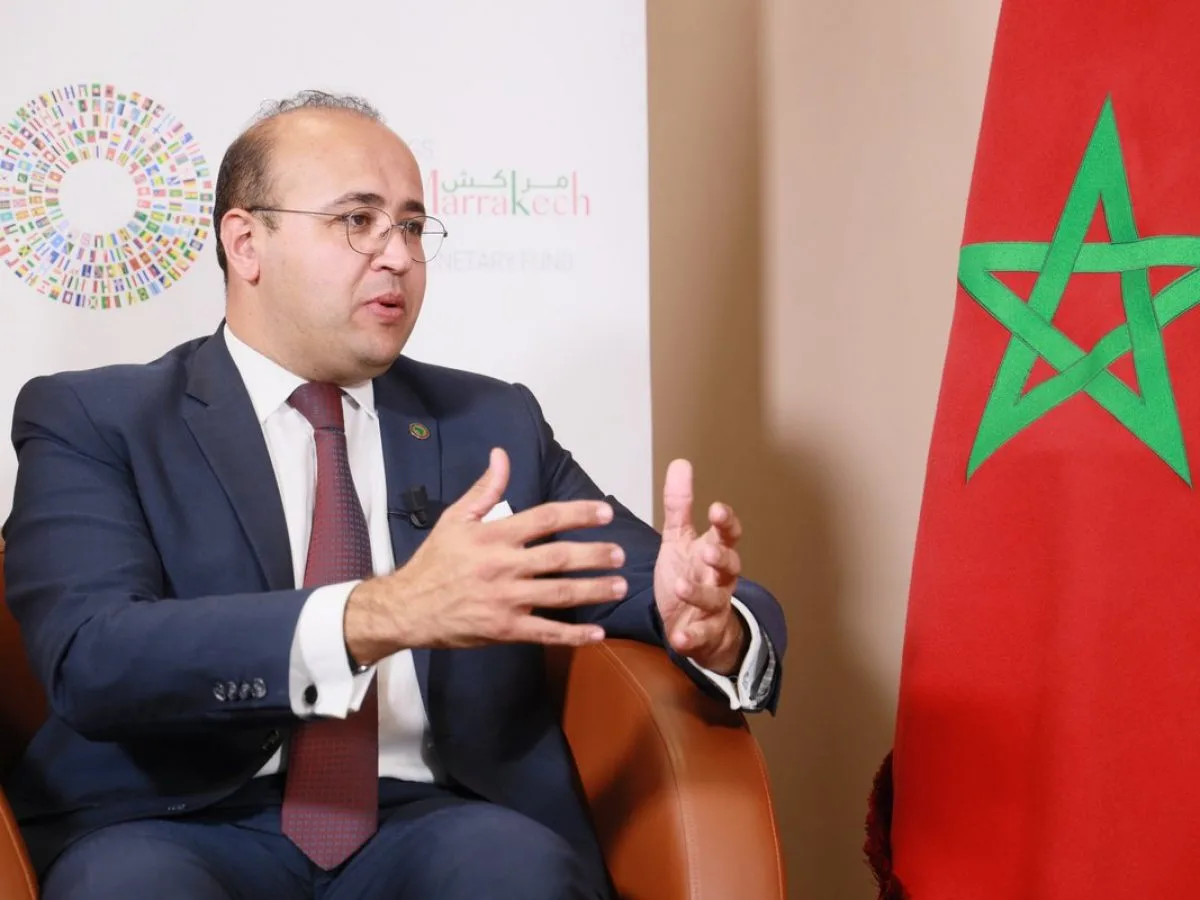
Achraf Tarsim, the African Development Bank (AfDB)’s Country Manager for Morocco, laid out the system’s trajectory in a detailed account published Monday by the bank. He described a process that began in 2009, when Tamwilcom – then known as the Caisse Centrale de Garantie (CCG) – started building a guarantee framework largely from scratch.
“Its story is one of patient, demanding, and collective institution-building, led by Tamwilcom with the continuous support of the African Development Bank Group,” Tarsim noted.
The early work was technical. It involved mapping risks, making them measurable, revising internal procedures, and modernizing operational tools. That groundwork, Tarsim explained, gradually strengthened the system and built confidence among commercial banks that had until then remained reluctant to extend credit to riskier borrowers.
Two major AfDB-financed programs carried the reform effort forward. The Inclusive Financial Sector Development Support Program ran in three phases. The Resilience and Competitiveness Support Program for Microfinance Institutions followed in two. Together, the five budget-support operations shared one objective: strengthening and modernizing Morocco’s guarantee architecture.
“Without such a system, banks would remain reluctant to take on additional risk,” Tarsim put it plainly.
The system’s scope of intervention widened over time. It first extended to microfinance institutions. When the COVID-19 pandemic struck, it pivoted again. The “Damane Oxygène” guarantee product provided emergency support to businesses, preserved cash flow, and prevented a wave of bankruptcies across the country.
Today, the guarantee system covers startups, innovation, and investment funds. Tarsim described the current vision as one that accompanies entrepreneurs “throughout their entire journey – from the initial idea and incubation stage to access to guarantees and business growth.”
A new phase is now underway. Tamwilcom recently launched its “Jossour 2026-2030” strategy, which aims to consolidate past gains and position the guarantee system as a more central driver of economic growth and innovation financing.
On the gender front, the AfDB is rolling out a $2.5 million grant through its AFAWA (Affirmative Finance Action for Women in Africa) initiative. The funding will support Tamwilcom’s “Ilyaki” product, a guarantee instrument dedicated to women entrepreneurs. The target is to reach 8,700 women entrepreneurs by 2028.
Tarsim framed the AfDB-Tamwilcom relationship as a continuous operational partnership spanning more than a decade and a half.
“This story is far from over,” he remarked. “With the launch of the Jossour 2026-2030 strategy just a few days ago, we are committed to going even further together – strengthening the role of the guarantee system and ensuring that it remains a central pillar for financing Morocco’s economy and innovation ecosystem.”
The trajectory illustrates how sustained institutional cooperation between a multilateral lender and a national guarantee body can reshape access to finance. What began as a technical modernization exercise in 2009 now underpins a significant share of Morocco’s business lending landscape.
Read also: AfDB Commitments to Morocco Hit Record €1.3 Billion in 2025