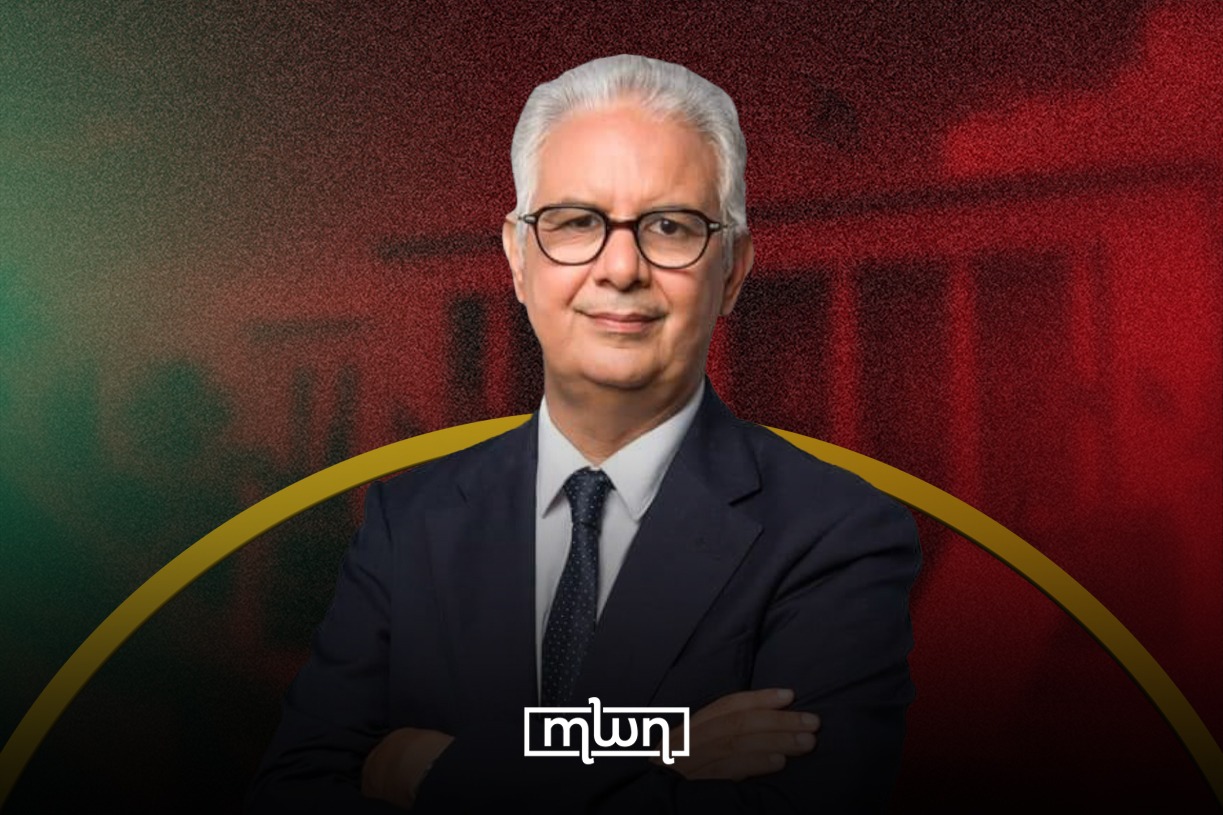
RABAT – Istiqlal Party Secretary-General Nizar Baraka called for a shift away from electoral competition and toward addressing citizens’ expectations following Morocco’s September 23 legislative elections.
Speaking to the press after the announcement of the preliminary election results late Wednesday night into Thursday, Baraka said the period following the vote requires political actors to move beyond the logic of electoral competition and focus on the concerns and expectations of Moroccan citizens.
He said the next phase will require work and mobilization to address the country’s major challenges. According to Baraka, these challenges require broad mobilization involving the different forces active in Moroccan society.
“Istiqlal Party will continue, wherever it finds itself, to work in the interest of the country and citizens,” Baraka said.
Baraka also expressed his appreciation for the confidence voters placed in the Istiqlal Party. He thanked the party’s members, as well as its candidates, for their efforts during the electoral process.
The Istiqlal leader also welcomed the party’s continued presence among the leading political parties and congratulated the other parties on the results they achieved.
Morocco’s 2026 legislative election results put the Authenticity and Modernity Party (PAM) in first place with 97 seats, followed by the National Rally of Independents (RNI) with 66 seats and Istiqlal with 65 seats. The Justice and Development Party (PJD) came fourth with 54 seats.
Read also: PAM Wins Morocco’s Legislative Elections with 97 Seats
The results cover Morocco’s 395-seat House of Representatives. The election recorded a national turnout rate of 38.02%, according to figures reported by the Interior Ministry.
Istiqlal’s 65 seats place the party among the three largest parliamentary forces in the new legislature. The party had won 81 seats in the 2021 legislative elections, when the RNI came first with 102 seats and PAM followed with 87.
Baraka’s comments came as political parties began moving from the electoral campaign toward the next stage of the political process, with attention now turning to the formation of the new government.