Rabat – Morocco’s government has outlined its program for its 2026-2031 term, promising to improve living conditions, create jobs, strengthen public services, and reduce economic and regional inequalities.
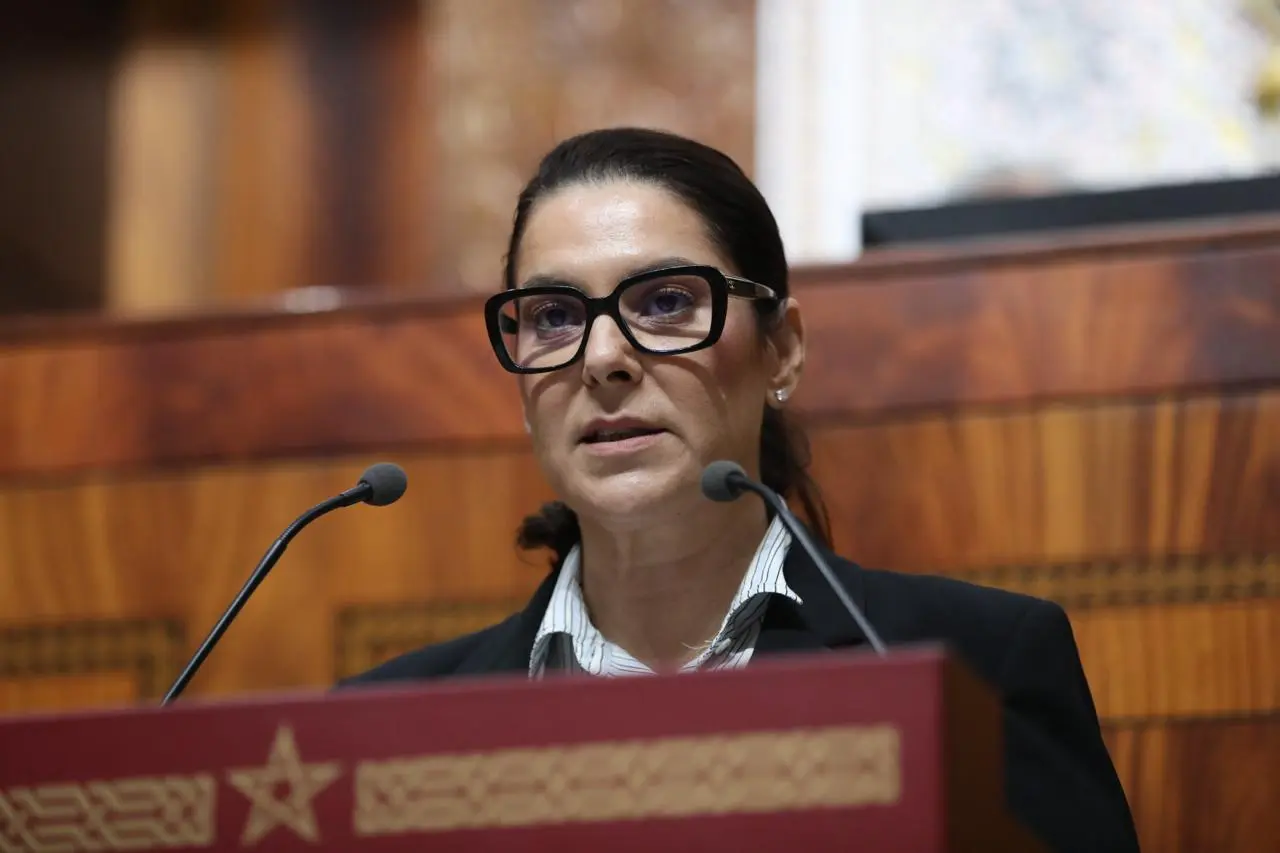
The program, which the new head of government Fatima Zahra El Mansouri presented today in Parliament, covers seven main priorities, including social protection, youth employment, economic development, water and energy security, governance, and national identity. It also sets out commitments on women’s economic empowerment, combating violence against women, and promoting the Amazigh language.
However, the extent to which these commitments will translate into concrete reforms is an important question, particularly on issues such as women’s rights and access to public services.
Social assistance, pensions and cost of living
Improving household purchasing power and strengthening social protection are central to the government’s agenda, El Mansouri said.
The program aims to increase monthly direct social assistance from MAD 500 to MAD 1,000 by the end of the government’s term. It also proposes a minimum basic pension of MAD 3,000 per month and increasing widows’ pension benefits to 100% of the relevant amount, compared with 50% under the arrangement described in the program.
The government also plans to cap electricity bills at MAD 100 for eligible households’ primary residences.
In healthcare, the government promises to improve access to medical services and move beyond expanding social coverage toward improving the quality of care. Its broader social agenda includes better education, affordable housing, and stronger support for vulnerable households.
Women’s rights and equality
The government has pledged to strengthen women’s economic independence through decent employment, entrepreneurship, and greater financial autonomy.
It also promises to combat violence against women, improve protection and support services, and expand women’s participation in decision-making positions. The program calls for better access to education, healthcare, and social protection, particularly for women in rural areas and vulnerable groups.
The government also says it will strengthen institutions responsible for rights, equality, and parity, and develop a more integrated policy to empower women and reduce discrimination.
As for the Moudawana (Family Code), El Mansouri said that her government “will continue implementing the reform of the Family Code in accordance with the directives of the Commander of the Faithful.”
Amazigh language and national identity
In addition, the government has pledged to strengthen the official status of Amazigh, including through a dedicated fund worth MAD 2 billion.
It plans to establish a permanent ministerial committee to monitor the language’s integration into education, public administration, the justice system, and the media. The government also proposes publishing an annual report with indicators measuring progress.
The program presents the protection of Morocco’s cultural and linguistic diversity as part of its broader approach to national identity and social cohesion.
Youth unemployment and education reform
Young people are another major focus of the program. It cites around 2.9 million people aged 15 to 29 who are not in employment, education, or training. Youth unemployment among those aged 15 to 24 stands at 29.2%, while around 300,000 students leave school each year without qualifications.
Starting in 2027, the government plans to provide 100,000 young people with training annually and help another 100,000 gain their first professional experience each year. It also aims to expand apprenticeship capacity to between 150,000 and 200,000 beneficiaries annually.
The program includes support for 60,000 businesses and aims to improve access to financing, public contracts, and markets.
In education, the government targets basic learning proficiency of at least 80% among pupils by 2031 and aims to eliminate school dropout by 2030.
Water, energy, and food Security
Morocco’s exposure to drought and dependence on external supplies have made water, energy, and food security key priorities.
The government aims to secure 1.8 billion cubic meters of desalinated water by 2031 and increase the share of renewable energy in the country’s energy mix to more than 52% by 2030.
It also plans to raise the share of domestically produced seeds from 20% to 50%, strengthen food reserves, and improve the supply of agricultural products.
The program includes developing green hydrogen, expanding energy infrastructure, improving cybersecurity, extending internet access to remote areas, and creating a framework for safe and responsible artificial intelligence.
Economic growth, investment, and public finances
The government targets average annual economic growth of 5% between 2027 and 2031, with inflation around 2%. It aims to keep the budget deficit at approximately 3% of gross domestic product and bring public debt down to around 62% of GDP by 2031.
It also plans to increase the private sector’s share of national investment to two-thirds, support small and medium-sized businesses, and direct 30% of public contracts to Moroccan SMEs.
Tourism remains a priority, with a target of 26 million visitors by 2030. The government also intends to strengthen domestic industry and reduce dependence on imports of finished products.
Governance, corruption, and regional inequalities
The program promises to strengthen the rule of law, improve access to justice, reinforce human rights, and fight corruption and economic privilege linked to what it describes as rent-seeking.
The government says it will improve transparency, public administration, and citizen participation, while strengthening cooperation with Parliament, civil society, and other national stakeholders.
It also plans to provide MAD 12 billion annually to Morocco’s regions from 2027, with the aim of supporting regional development and reducing disparities in access to services and opportunities.
The government has set targets for jobs, social protection, economic growth, and public services, but the key challenge will be turning these promises into tangible improvements in Moroccans’ daily lives.