


 Join on WhatsApp
  Join on Telegram
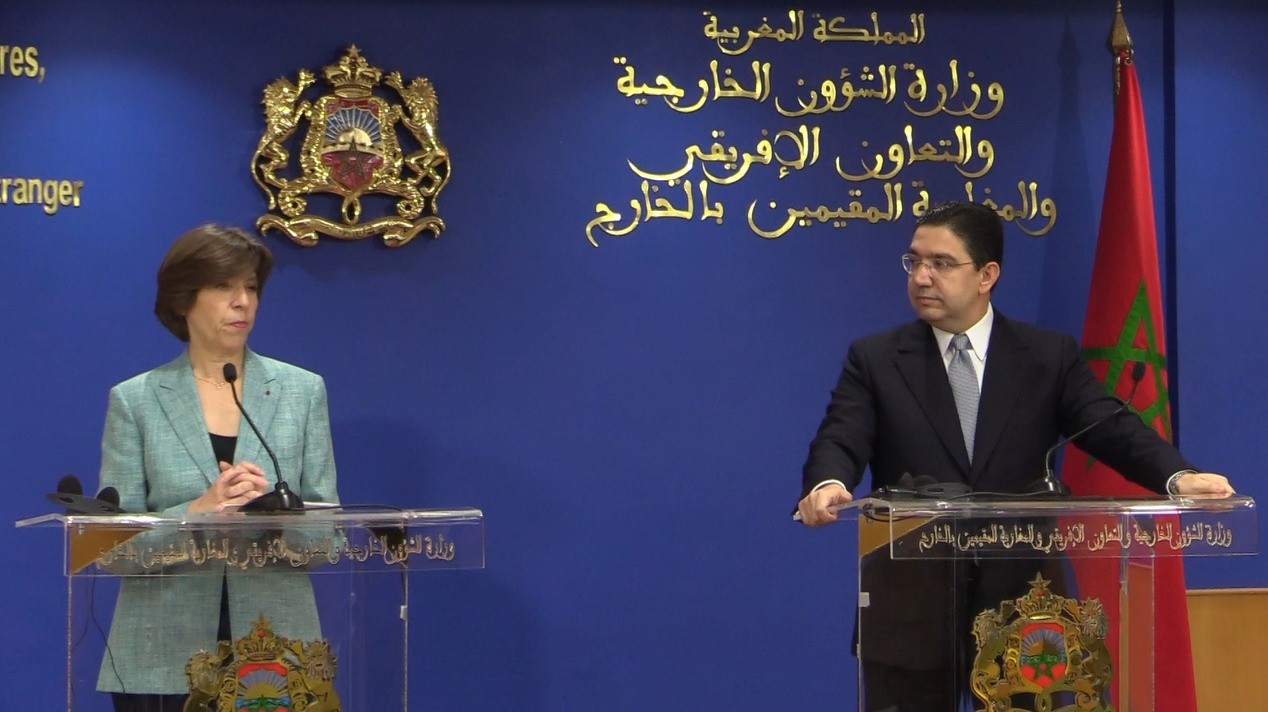
 French Foreign Affairs Minister Catherine Colonna has declined to comment on recent statements made by a Moroccan government source regarding the growing diplomatic crisis between Morocco and France.
Colonna was met with sharp criticism while appearing before the Foreign Affairs Committee of France’s National Assembly on Tuesday, with many MPs questioning the top French diplomat about the visibly deepening Morocco-France diplomatic crisis.
AFP reported that some of the MPs asked Colonna about the remarks by a Moroccan government source who had denied France’s claims that its diplomatic ties with Morocco were “good” and “friendly” despite reports to the contrary.
During a press conference ahead of his controversial tour to Central Africa, France President Emmanuel Macron had claimed that diplomatic ties between Paris and Rabat were friendly and would remain so.
“We have had several discussions, there are personal relations that are friendly and they will remain so. There are always people who try to highlight incidents, scandals in the European parliament,” Macron said, suggesting that, contrary to reports of Morocco’s displeasure with France’s attitude and stance on a number of strategic issues, Paris and Rabat were determined to further advance their already warm relationship.
Read also: France Weaponizes Press Freedom in Its Relations with Morocco
In response, an authorized source from Morocco’s government quoted by Jeune Afrique debunked Macron’s claims, stressing that “relations are neither friendly nor good anymore, neither between the two governments nor between the Royal Palace and the Elysee.”
When asked about such a strong response from an unnamed Moroccan official, Colonna downgraded the remarks and claimed instead that the “unpleasant statements” reported by Jeune Afrique were from “anonymous sources and as such do not require a particular comment.”
Like President Macron, she further appeared to suggest that relations between Paris and Rabat remain friendly despite challenges. Colonna suggested there is no growing crisis between France and Morocco, recalling her visit to Morocco in mid-December 2022, when she announced the resumption of “normal consular relations.”
Prior to that renormalization of consular relations late last year, the French government sparked controversy and backlash in Morocco 2021 when it decided to slash the number of visas granted to Moroccans by 50%. Paris justified its controversial visa decision by claiming that Morocco had refused to cooperate on deporting from France a number of Moroccan nationals that had been living in the European country “illegally.”
Read also: Paris Conference on the Sahara: France’s Deceit and Delusion of Grandeur
In response, Morocco’s government slammed the visa restrictions, describing the move as “unjustified” and stressing its commitment to tackling the issue of migration and the movement of individuals “with great responsibility and balance.”
Despite France claims of maintaining “normal consular services” with Morocco following Colonna’s December visit, associations and activists in Morocco continue to condemn discriminatory treatment of Moroccan visa applicants.
Yet the visa controversy is not even the heart of the discernibly growing political crisis between Paris and Rabat.
As Morocco’s Autonomy Plan for Western Sahara continues to garner international support, many in the North African country have been taking issue with France’s reluctance to follow in the footsteps of the US, Spain, and a host of other countries that have all unambiguously described the Moroccan plan as the best and most credible route to lasting resolution of the Sahara dispute.
For many analysts, France’s stance on the Western Sahara question makes it unreliable as a friend and ally of Morocco.
In addition to the Sahara dispute, others have pointed to the French government’s apparent promotion of Morocco-bashing reports and its behind-the-scenes role in the recent Morocco-targeting EU resolution as another sign of Paris’s subtle cultivation of hostilities towards Rabat.
The unnamed Moroccan official quoted by Jeune Afrique said as much, quoting French political and media establishment’s keenness to associate Morocco with illegitimate spying and other reprehensible practices, such as violations of press freedom and intimidation of dissidents and government critics.
“The involvement of the media and certain French circles in promoting the Pegasus affair could not be done without the involvement of the French authorities,” the source said, adding that the EU Parliament’s recent resolution hostile to Morocco “could not be passed without the active mobilization of the “Renew” group, which comprises 23 French MEPs.


