 Join on WhatsApp
 Join on Telegram
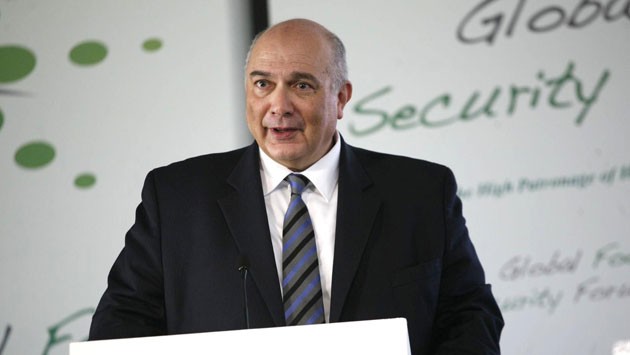
Rabat – Africa has the potential to become the world’s farm, and eradicate the rising threat of food security, OCP’s CEO Mostapha Terrab has said.
With the growth in population the world is witnessing, ensuring global food security is no longer an option, “It’s a global imperative,” Terrab explained in a blog post published on the website of the World Economic Forum on the sidelines of this year’s Davos forum.
While Africa does indeed have the potential to feed the world, Terrab argued, it currently faces severe food security issues.
“As a Moroccan company, we know this challenge is especially acute on our home continent,” said the OCP CEO. “By 2050 Africa’s population is expected to nearly double.”
In light of the food security threat that population growth poses, “accelerating the transition to sustainable, smarter farming” is now “more urgent” than ever, Terrab argued.
And while boosting agriculture yield might seem like a straightforward task, Terrab notes that the climate threat should also be taken into consideration. “Ensuring food security for all while protecting the planet for generations to come is not an option. It’s a global imperative.”
Africa can be the world’s farm
Africa is currently home to 60% of the world’s remaining arable land, the OCP CEO points out in the blog. The substantial volume of fertile soils “represent humanity’s best hope for future food security.”
A number of challenges stand in the face of Africa reaching its potential, however. African farmers use only 20 kilograms of fertilizers per hectare, way below the global average, the OCP CEO noted.
“To maximize yields per acre, it is estimated that local farmers will need to increase their fertilizer application by around tenfold,” he said. “Doing this in a sustainable way – without longer-term environmental damage – will be crucial. Not just for the continent, but the globe as well.”
In the blog, Terrab called on all stakeholders to take “remedial actions” to ease the price shock in the food commodities market and protect the world population from the grim prospect of dwindling food resources.
“Any long-term solution to global food security and sustainable agriculture begins with the soil. Soil health is not only about preserving life beneath our feet. It makes all life above ground possible, from plants to people,” Terrab said, highlighting the need to support farmers.
Betting on customized fertilizers
He further underscored the need to focus on soil health and promote the use of customized fertilizers to ensure “sustainable high yields,” arguing that the strategy is key to reducing agriculture’s carbon footprint.
He added: “Healthier soil and enhanced biodiversity actively suck harmful carbon from the atmosphere, while maximizing yields per acre reduces pressure globally to convert forests and grasslands to agriculture.”
In Africa, Terrab went on to explain, delivering tailor-made fertilizers that cater to the varying needs of different soils is “entirely possible.” He noted that farmers on the continents are already reaping the benefits of using advanced fertilizers technology.
“Mobile laboratories are already crossing Africa collecting soil samples covering millions of hectares,” he said.
“With this data, farmers can map which parcels of land require what type of nourishment and when. More efficient application of the right fertilizer – only what the specific soil and crop needs and will use — reduces waste and run-off into ground and surface water.”
In addition to lowering production costs while boosting yields, tailor-made fertilizers have a significant socio-economic impact as they help increase farmer incomes, and could potentially elevate entire families from poverty.
Terrab concluded his blog post by emphasizing the need for speeding up the farming revolution through collective effort.
“There is much work left to do,” he stressed. “But having a goal is not just noble – it is necessary.”
Read Also: Mostafa Terrab: Africa Could Be The Solution to Global Food Crisis