

































































Rabat – Official data indicate that 19,926 child marriage requests were issued in Moroccan courts in 2020, with 13,335 requests granted legal permission.
In 2004, Morocco outlawed underage marriage while reforming the Moroccan Family Code. In the same year, Morocco’s Ministry of Justice and Liberties reported that court marriages amounted to 11.9% of all marriages, recording an increase of 0.9%.
Although 2012 saw a slight drop of 1% in underage marriages in the country, the rate has been gradually increasing ever since.
While underage marriage is illegal according to the Moroccan Family Code, the same code provides for the possibility of exemption in some supposedly special circumstances.
Specifically, the code dictates that a judge has the authority to grant permission for underage marriages under article 16 of said code, creating a loophole that prevents eradicating child marriage in the North African country.
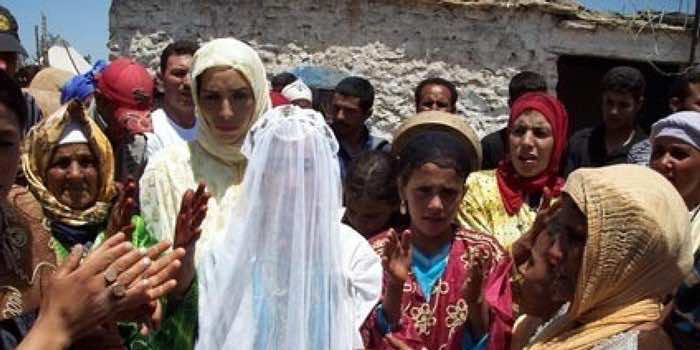
In addition to this legal loophole, Al Fatiha marriages – undocumented marriage based on customary Muslim Law – provide a backchannel to marry child brides in rural areas.
Al Fatiha marriages are especially problematic given that they’re unquantifiable and once presented before a court, the judge has no choice but to resort to article 16 of the family code to approve them.
The number of marriages involving minors accounted for 6.48% of total marriages in Morocco in 2020, showing a slight – but ultimately insignificant – decrease since 2015.
Read also: Marriage of 12-Year-Old Girl in Iraq Causes Outrage
While Morocco has made some of the most progressive reforms in the MENA region, patriarchal traditions and norms still stand in the way of translating these policies into tangible results, according to research by the UN-affiliated International Children’s Emergency Fund (UNICEF).
Data compiled by UNICEF as part of a 2020 survey indicates that family authority and restricted access to education puts young girls at a higher risk of early marriage.
The trend is aggravated in rural areas, where community pressure, stigma, and socio-economic benefits factor in early marriage.
UNICEF’s research found that early marriage in rural areas is associated with many socio-economic benefits such as a chance at a higher dowry, alleviating the burden on family, and honoring family by avoiding out-of-wedlock pregnancy.