 Join on WhatsApp
 Join on Telegram
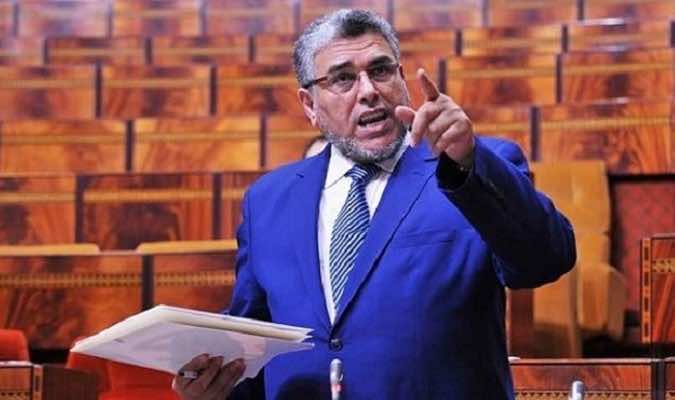
Rabat – Morocco will not close Amnesty International’s office in Rabat, assured the Moroccan Minister of State for Human Rights, Mustapha Ramid.
“There are real divergences with the organization, but we are never going to close doors to international organizations, hinder their work, or close their offices,” Ramid said, stressing that Morocco’s position is “constant and clear and will remain so.”
The minister made the statement on Wednesday, July 15, during a meeting with the Committee of Justice, Legislation, and Human Rights at Morocco’s House of Representatives.
The statement comes in response to Amnesty International’s June 22 report where the organization claims that Moroccan security services used Israeli spyware to track journalist Omar Radi for over a year.
Read also: Amnesty International Spyware Investigation Reveals Outdated View of Morocco
The report prompted a strong response from the Moroccan government, who requested tangible evidence for the allegations. However, three weeks after the requests, Amnesty International has not yet shared the evidence for its report.
“Amnesty International has no choice but to provide evidence to the Moroccan government or drop its unfounded accusations against the Kingdom,” Ramid said.
The Moroccan official stressed that if the organization persists in its “false allegations,” it will not help “in any way” improve the situation of human rights in Morocco and will only “damage its reputation.”
Morocco is open to dialogue and constructive engagement with all international NGOs operating in the country, including Amnesty International, Ramid assured.
“Our country is committed to positive cooperation with all organizations as long as they respect the laws of the Kingdom and the international standards framing their action, led by objectivity and neutrality,” he added.
The London-based NGO set up an office in Morocco in 1997 and has enjoyed the right to operate freely in the country since then, Ramid recalled.
However, according to the minister, the organization changed its attitude towards the country in recent years, promoting a negative image of the human rights climate in Morocco.
Hostile attitude
Since 2015, Ramid said, Amnesty International has published hundreds of press releases and reports that ignore Morocco’s structural reforms in the field of human rights and do not adhere to the “fundamental” principles of neutrality and objectivity.
Regarding the June 22 report, the minister reiterated that the allegations it contains are unfounded.
Ramid also criticized the organization for claiming that it contacted the Moroccan government before releasing the report, stressing that Moroccan officials did not receive any correspondence regarding the report before the document was made public.
Read also: Morocco Denies Receiving Amnesty International’s Emails Before ‘Spying’ Report
According to Ramid, Amnesty International’s approach in recent years is based on “general assumptions and conclusions, supported with unverifiable cases or unknown sources.”
The approach raises questions about the level of objectivity in Amnesty International’s investigations, as well as the organization’s compliance with internationally recognized investigative standards, Ramid argued.
Another inconsistency in Amnesty International’s annual reports, according to Ramid, is its use of information from a single source without cross-checking.
The minister gave the example of reports discussing the situation of human rights in Morocco’s southern regions, saying Amnesty International gathers information from “enemies of Morocco’s territorial integrity” and publishes recommendations that exceed the field of human rights and intrude on politics.
The organization “turns a blind eye to human rights’ abuses in the Tindouf camps, [western Algeria], which have been confirmed by other international organizations and institutions,” he added.
At the end of his speech before the Committee of Justice, Legislation, and Human Rights, Ramid affirmed that Morocco’s efforts to improve the situation of human rights are ongoing, citing several amendments to the penal code that will be effectively implemented when adopted by the Moroccan Parliament.
Read also: Blind Trust in Amnesty International, a Blank Check for Waging War