 Join on WhatsApp
 Join on Telegram
By Mohammed Amine Benabou
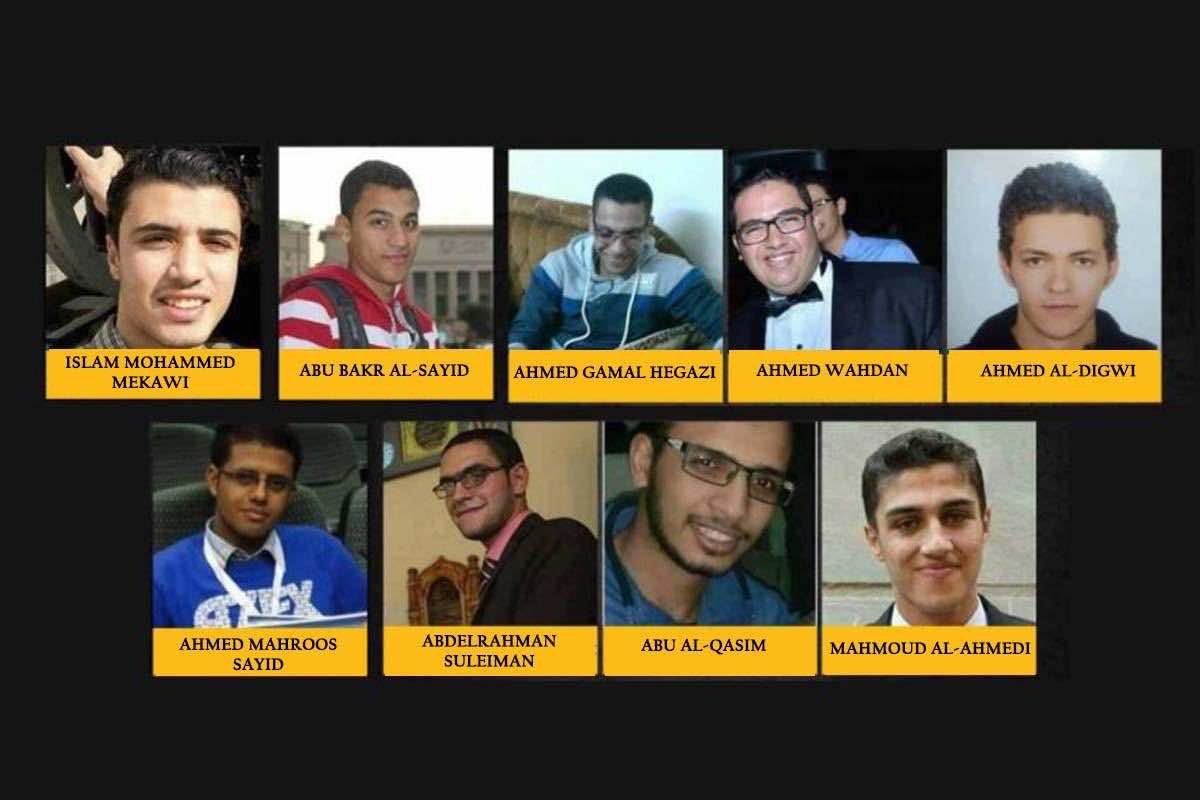
Rabat – Egypt carried out nine executions by hanging on Wednesday, February 20, in Cairo.
The alleged murderers, who are said to have been affiliated to the Muslim Brotherhood, were convicted of orchestrating the assassination of top Egyptian prosecutor Hisham Barakat in Cairo on June 29, 2015. The nine men were among 28 convicted of involvement in the murder.
On his way home, Barakat was killed when a car bomb detonated near his convoy.
The young men were reportedly tortured with electric shocks into making confessions. One of the convicts said before the judges, “Give me an electrocution tool and I’ll make you admit you killed Sadat! We were electrocuted with enough electricity to last Egypt for 20 years.”
Some blame “the human rights abuses” on the el-Sissi administration, while others have demanded that Abdel-Fattah el-Sissi leave the country.
The use of the death penalty in Egypt has been on the rise ever since el-Sissi toppled Mohamed Morsi in a coup in 2013. The government has since cracked down on anyone believed to have ties with Morsi’s party, the now-outlawed Muslim Brotherhood.
Under el-Sissi, courts have confirmed 1,451 death sentences as of December 2018. Among 2,443 preliminary death sentences, 12 were given to juveniles, according to a European Parliament motion on Egypt.
The hangings were widely denounced on social media, where Egyptians activists launched a campaign using the hashtags “#Halt_Executions” and “#No_to_death_penalty” to voice their opposition to the 15 executions carried out so far this year.
Barakat’s daughter wrote on Facebook before the executions that she believed “the nine men are innocent and they are going to be unjustly killed.”
In a tweet, an advisor of Turkish President Recep Tayyip Erdogan stated, “Six were killed by Egyptian politicians last week, so will another nine be executed tomorrow. The world is keeping silent over such butchery.”
A number of Egyptians staged a sit-in in front of the Egyptian consulate in Istanbul to condemn the hangings.
Najia Bounaim, Amnesty International’s North Africa campaigns director, said in a statement, “These executions are a stark demonstration of the government’s increasing use of the death penalty.”
Bounaim continued, “Egyptian authorities must urgently halt this bloody execution spree which has seen them repeatedly putting people to death after grossly unfair trials in recent weeks.”
The human rights group stands against all forms of executions, saying that those involved in the murder “deserve to be punished but executing men who were convicted in trials marred by torture allegations is not justice but a testament to the magnitude of injustice in the country.”