 Join on WhatsApp
 Join on Telegram
Rabat – June 18, 2013 (MAP)
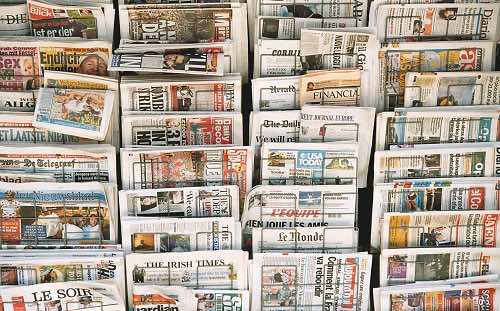
Reforms of the subsidy fund, the situation on the Moroccan political scene, and the situation in the tourism sectors make up the major themes commented by Moroccan editorialists this Tuesday June 18, 2013.
Aujourd’hui le Maroc notes that the governing board of the subsidy fund met last Friday without any reform project but it appears that the direct-aids formula was rescinded, at least for this year.
Subsidy expenses which have been on the rise over the last years (53 billion DH in 2012) will decrease, with savings expected to range between 10 and 13 billion DH, the editorialist writes, adding that “2013 was lucky for Benkirane’s government as international oil prices remained stable for months, just like the US dollar appreciation”.
However, the editorialist insists, reforming the subsidy fund is unavoidable, knowing that the national market depends on international markets and that tension in Syria and recent developments in the region bode ill for summer.
For Al Ahdath Al Maghribia which quotes political observers, the present situation is rather a psychic issue which needs to be handled, since everyone is in war with everyone and each one used the maximum insults to criticize the other.
Deploring that the country’s future is mortgaged by some persons behaviours, the editorialist argues that the country’s development and prosperity will never be attained in the atmosphere of “absurdity” and “childish games” prevailing in the Moroccan political landscape.
The paper also regrets that politicians have not got the message of citizens who expressed disaffection from politics through a low turnout rate at elections, and continue to act in an absurd manner and to sabotage all channels that could have reconciled them with Moroccans.
On its part, Akhbar Al Yaoum Al Maghribia notes that Hamid Chabat (the leader of the Istiqlal party who announced withdrawal from the government) is in a deadlock as his attacks against the head of government have helped the head of government score more points by opting for silence regarding the remarks of the Istiqlal party leader who continues to stick to royal arbitration.
The paper rejects part of the blame on the head of government who refused to make use of all available weapons, particularly dissolving the parliament and calling for early legislative elections.
Regarding the tourism sector, L’Economiste writes that while world tourism is adapting to the crisis, Morocco is accumulating delays: 3 years delay in the Azur plan and three years delay in the 2020 vision.
It also underscores the alarming decrease in the arrival of Moroccans living abroad and of receipts as a result of sluggish markets in tourist-emitting countries, in addition to job loss in hotels, noting that the measures set forth to attract more visitors are not enough apparently.
It concluded that it is vital to be proactive and urgently readjust, stressing that the crisis should be an opportunity to do the big clean-up.