 Join on WhatsApp
 Join on Telegram
Rabat – “In the Arab world, you are either born a human being, or born a female.” A hyperbole, an exaggeration, an overkill; opinions differ, but the question is still worthy of consideration.
The male and female experiences in the Arab world and in the Moroccan Kingdom are polar opposites. Whether it is social, economic, political or religious status, the gap between the gender roles is an enormous one. A 5 minutes walk in the streets or a scroll on social media is enough to show the chasm.
Imane, Nassima, Nouhaila, El Hasnae, Fadoua, Fatima – all names that became famous through the communities of Moroccan women. But they are not scientists, politicians, or breakthrough artists. No, they are everyday Moroccan women who were victims of sexual assault and rape.
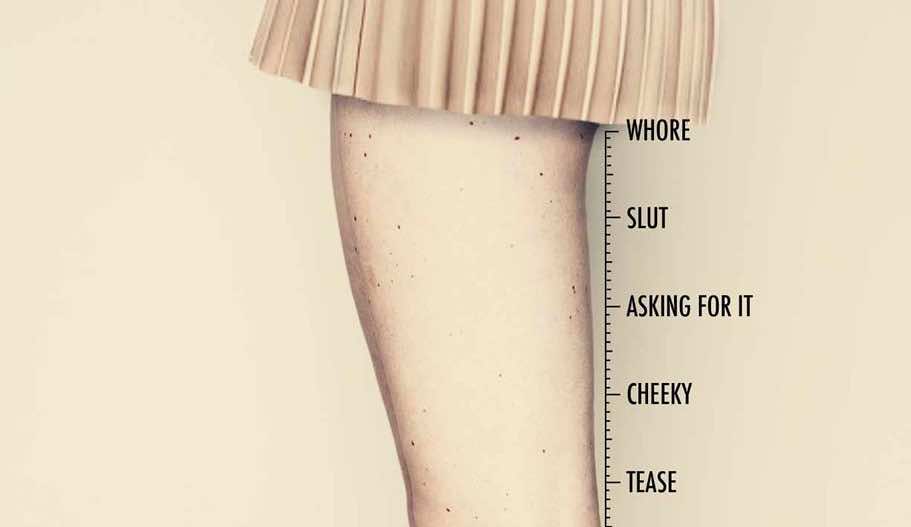
She asked for it
“If she respected herself, she would have been respected. The fact that she willingly went with him, by her own consent and will, shows you that she was asking for it. I mean, what would a respectable Muslim girl be doing in a stranger’s house? Her fiance or boyfriend, with her parents approval or not, it doesn’t matter. In the eyes of God and society, he is a stranger. What was she expecting anyway? He is a man afterall, a man with needs and desires. What was he supposed to understand? She agreed to go with him, meaning she was up for anything that would follow after.”
“Girls these days have no respect for themselves. They strayed so far from the righteous path of Allah, following in the steps of adultery and debauchery. It is only normal that we hear every day about sexual harassment and sexual assault and rape and torture and pedophilia. What a man can do when he sees all that young soft flesh so openly displayed in front of him, in his own territory, the streets, public spaces, coffee shops, schools, hospitals, police stations, court houses.”
“People must understand that the male instinct is a strong one. It is susceptible to any sort of teasing. Women strolling down the streets in their pants and skirts and djellabas and niqabs, as if they own the place, tempting the male gaze with their luscious walking legs and passing figures. It’s fitna.”
This is a brief abstract of the many comments relayed by the public opinion. Whether from men or women, there is always a sense of entitlement given to males. There is always an attitude that when a man goes out with a girl, people tend to think, he’s entitled to sex.
“The victim is the culprit!”
To paraphrase Orwell in 1984’s totalitarian slogan, “War is peace, freedom is slavery, ignorance is strength,” and complete the confusion of language and the totalitarian vision that colonizes sexuality and normalizes rape, we can add: “The victim is the culprit, the truth is the lie, saying no is saying yes, to yield is to consent, to suffer is to desire.”
Are rape victims always guilty? Of what? Lies? Sin? Seduction? For what reasons?
By malice, vengeance or vanity, to make herself more interesting, because she does not assume to be a whore who likes sex. This is a brief excerpt of the general public opinions.
Even when rape is proven, the woman is still considered guilty of having exposed herself, of having provoked men, of having asked for it, of having been the one to entice the scandal, of having been the one who destroyed everything, who is not able to rise again, nor to forgive, forget, recover, move on.
Even when a man ultimately resort to brute violence, the woman’s general obedience, the fact that she went/met/is in a relationship with him, could later be used as evidence of her willing consent.
Whether she is recognized as a victim of rape, for her detractors she is always to blame, she is the one carrying a moral fault. Family, government, and schools are institutions above all suspicion, even if nearly 80 percent of rapes are committed by relatives who are overwhelmingly men.
Pride and Prejudice
More often than not we’re always hammered with the statements that these institutions are made to protect women and children, erecting men as their guardians and protectors. “If these women, these children are still victims, it is because they do not deserve protection or they have not been able to protect themselves – it is their fault, so much the worse for them.”
This ideology is effective in implementing the denial of sexual violence and imposing silence on victims who have no alternative but self-censorship so to not be excluded from society. Not only does it justify the abuse and neglect suffered by the victims of rape, it labels them as unworthy members of society.
The circumstances considered by the law as aggravating are also most often turned against the victim as jeopardizing her credibility: being a child, whether the abuser is a spouse or a partner, being alcoholic or drugged, having a psychiatric disorder, wearing the ‘wrong’ clothes.
Why are rape victims held to such unrealistic standards of predictability when, in all other parts of life, we accept that human behaviour is, above all else, unpredictable?
Why are past events of the victim that have nothing to do with rape are also used to question her credibility, like whether she lied about her past, had a sexual life considered ‘debauched,’ was an addict or alcoholic, engaged in prostitution, or committed any crimes?
Would you not suspect that these transactions were not much against her will? The social obedience to men that is socially expected from women could be alternatively read as a consent to sexual relations.
It is easy to understand why the accused would deny his or her crime and question the credibility of the victim. It is also understandable that he or she would benefit from the presumption of innocence until proven guilty, but it should also be seen that the victim should benefit from the presumption of credibility as well.
But what about all those who will accuse the victim, who will trivialize the rape, deny the violence, deny their consequences, and attack the victim’s status by denigrating it? Why do they do it, when it’s common sense that rape is serious and that a victim of rape will be traumatized? Why should we again and again give them explanations to justify the speech and the behavior of the victims?
Cowardice may be the first answer for all those who are in flagrant conflict of interest and loyalty with the aggressor and who seek to preserve their power, whether social, financial, or political.
Sexist collaboration is a second explanation, revealing adherence to stereotypes stemming from a sexist view of women and sexuality. Its consequences on the safety of women, both actual and potential victims, are catastrophic.
The position of aggressor, another reason rarely mentioned, can be another factor as the reality of male violence is rarely questioned. Among the mass of anonymous people who will accuse the victim, there is a healthy proportion of aggressors, male and female alike, who have a direct interest to blur the lines and justify their crimes to exculpate and ensure their impunity.
These rape apologists know that their lies and rhetoric are fallacious. Their arguments of neoliberal modernity and of sexual liberation are only the alibis of zealous collaborators and criminals. Their barking silences all victims and intimidates those who would protect and support them. It is time for them to be a little more afraid of a mere look of disapproval, suspicion should weight on them as soon as they take the floor. They are the ones at fault here.
The views and opinions expressed in this article are those of the author and do not represent any institution or entity.
© Morocco World News. All Rights Reserved. This material may not be published, rewritten or redistributed without permission.