 Join on WhatsApp
 Join on Telegram
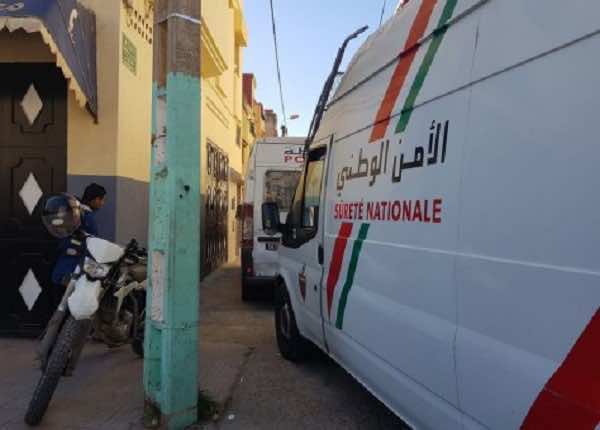
Rabat – The General Directorate of Territorial Surveillance (DGST) raided a house on Tuesday in the Massira II area in Temara, near Rabat, arresting at least 120 people allegedly planning to migrate irregularly, according to Moroccan newspaper Assabah.
The arrested individuals are of Bengali, Pakistani, Burmese and other nationalities. Police seized documents, passports, money, and other belongings.
Police also arrested facilitators of irregular migration. The public prosecution opened an investigation into the matter, said Assabah.
The Moroccan leader of the group, who was also arrested, is a Rabat resident, reported Aswat News.
The group was also active in drug trafficking, said news outlet Almaghrib Today. Weapons and forged banknotes were allegedly found in the group’s possession.
“In the morning, they arrested someone. He led them to the others,” a local told Chouf TV. “They’ve been living here for a month … They had fancy cars, money.”
Another local told the online television channel, “people were coming in and out [of the house.] They used to buy flatbread, medication, drugs … As a distraction, they used to go pray … We thought they were Muslims—they were speaking Arabic.”
Morocco has been a transit country for migrants to Europe since the 1990s, according to Migration Policy. Many attempt to cross the Moroccan borders with Ceuta and Melilla to acquire refugee rights or find a way to cross the Mediterranean into mainland Europe.
The police have made several arrests of undocumented migrants near the border with the Spanish enclaves of Ceuta and Melilla.
Moroccan authorities transport some migrants back to major cities farther south, such as Casablanca, Rabat, or Agadir. Migrants often end up living in suburbs either to stay or to wait in the wings for the next opportunity to emigrate.
Moroccan authorities thwarted 88,761 irregular migration attempts in 2018. Nearly 80 percent of the migrants (70,571) were foreigners, according to the National Observatory of Migration.
The number represents a 37 percent increase from the previous year, according to a statement issued after a migration observatory meeting on Thursday.
Despite the government’s attempts to integrate migrants, Human Rights Watch said that the government has not yet adopted the right to asylum.
However, the NGO said that Morocco gave over 1,000 recognized refugees access to “essential public services, such as education and health, but not the right to work.”