Rabat – Ramadan is a month of fasting, spiritual reflection, and connecting with friends, families, and communities.
Night time during Ramadan is particularly festive. Muslims come together to share large meals with friends and families, and stay up late into the night in cafés and restaurants. Traditionally, the Ramadan fast is broken with a meal called “iftar,” eaten at sunset, then another meal, “suhoor” is taken before dawn.
The World Health Organization (WHO) has released recommendations on how to stay healthy during Ramadan.
WHO warns that excessive eating at iftar and suhoor can lead to weight gain. By following its recommendations, the month of Ramadan can have health benefits such as weight loss and reduced blood pressure.
First, WHO recommends drinking at least 10 cups of water at night, to replace fluids lost during the day. Eating fruit and vegetables with high water content is also useful, watermelon, for example, or mixed salads with tomatoes and cucumbers. Soups can also help replace fluids.
Read also: It Isn’t Ramadan in Morocco Without Chebakia and Sellou
WHO reminds those observing Ramadan that avoiding drinking caffeinated drinks like tea, coffee, and coca-cola, is important because caffeine is a diuretic and can accelerate dehydration. Any fizzy drinks consumed will add calories to the diet.
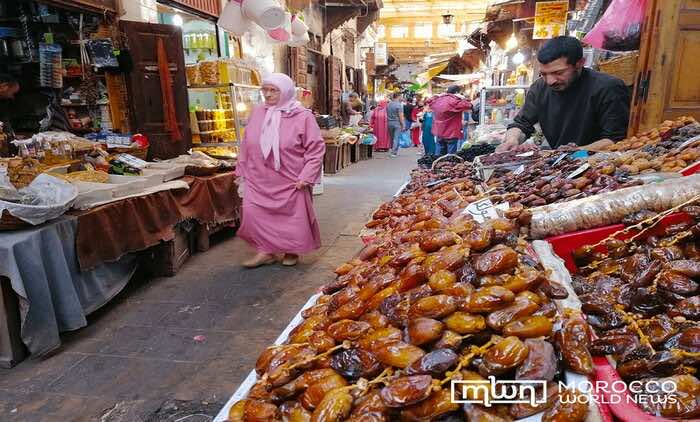
WHO notes beginning iftar with three dates is a healthy, traditional practice, as dates are an excellent source of fiber.
It also strongly recommends eating suhoor before dawn. A healthy suhoor should be light, and consist of vegetables, a portion of wholemeal bread, high protein milk products like milk, lben or unsalted cheese, eggs, tahina, and avocado.
WHO specifically recommends avoiding fried and sugary food, and all food made with pastry, as it often includes fat, margarine or butter.
While the traditional Moroccan sweets, such as deep-fried, honey drenched “chebakia” cakes, appear on many iftar tables throughout Ramadan, they are not necessarily recommended.