Rabat – Saudi Arabia and the countries and Muslim communities that follow the Umm al-Qura calendar are expected to celebrate the first day of the Islamic month of Ramadan on Friday, April 24, Moroccan astronomer Abdelaziz Kharbouch Al Ifrani told MWN.
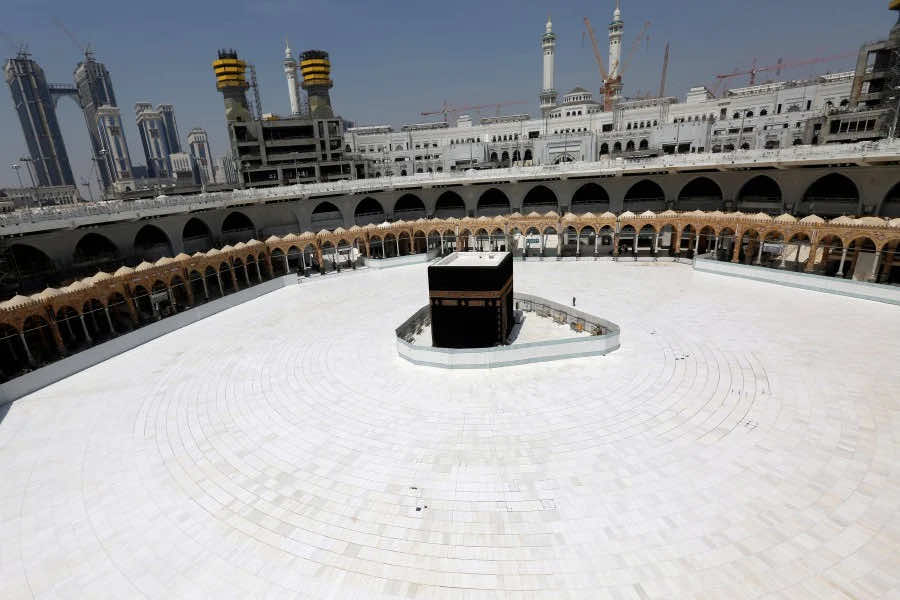
The Umm al-Qura calendar is Saudi Arabia’s official calendar. It is a lunar calendar based on observations from the holy city of Mecca, nicknamed Umm al-Qura, or “the mother of villages” in Arabic.
Several neighboring countries in the Arabian Peninsula follow the same calendar, as well as Muslim communities in non-Islamic countries, such as the Islamic Society of North America, the Fiqh Council of North America, and the European Council for Fatwa and Research.
The calendar, however, is often criticized by other Muslim organizations and communities, including Morocco, who base their calendar on the actual sighting of the lunar crescent.
Morocco is expected to celebrate the first day of Ramadan on Saturday, April 25, according to Al Ifrani.
In 2019, Saudi Arabia observed the first day of Ramadan on May 6, while Morocco celebrated it on May 7.
The difference in methods of calculations between the Umm al-Qura calendar and others has led several times to the observation of major Islamic festivals in different days across the Islamic world.
Morocco’s method is known as one of the most accurate for calculating the Islamic calendar. The Moroccan Ministry of Islamic Affairs has experts who observe the crescent in around 200 sites throughout the country, almost eliminating the possibility of error.
The holy month of Ramadan commemorates the first revelation of the Prophet Muhammad in the year 610. During Ramadan, Muslims fast from dawn until sunset and perform special prayers called Tarawih at night.
“Ramadan is the month in which the Quran was revealed. Guidance for humanity, and clear portents of guidance, and the Criterion. Whoever of you witnesses the month, shall fast it,” reads the Quran in the 185th verse of Surat al-Baqarah.
This year, however, the holy month will feel different for Muslims. With the COVID-19 pandemic spreading throughout the Muslim world, as well as in countries with large Islamic communities, gatherings and prayers in mosques are banned. Social distancing measures are still intact in most countries, and Muslims will have to give up Tarawih prayers in mosques, as well as family gatherings.