Like adults, the novel coronavirus crisis is impacting children around the world. Children are experiencing feelings of insecurity, pressure, and boredom amid the current lockdown, but parents can help children manage their emotions with various techniques and activities.
Parents and childcare centers can make children’s lockdown experience joyful and meditative to achieve long-term and short-term objectives, but must begin by recognizing children’s problems during the coronavirus crisis. The suspension of studies and other activities is impacting children negatively, and they may be experiencing anxiety, depression, hyperactivity, or even conflicts during the lockdown.
Connecting and sharing with children
The American Psychological Association (APA) recommends connecting and sharing with children during the crisis. Children should have the freedom to express their concerns, wishes for the future, and worries. Parents and therapists should allow children to ask questions and express their opinions, and APA suggests that parents learn ways to support their children.
Children already suffering from severe depression or other psychological problems should consult with psychologists via phone consultations or telehealth sessions.
Engage in fun and creative activities
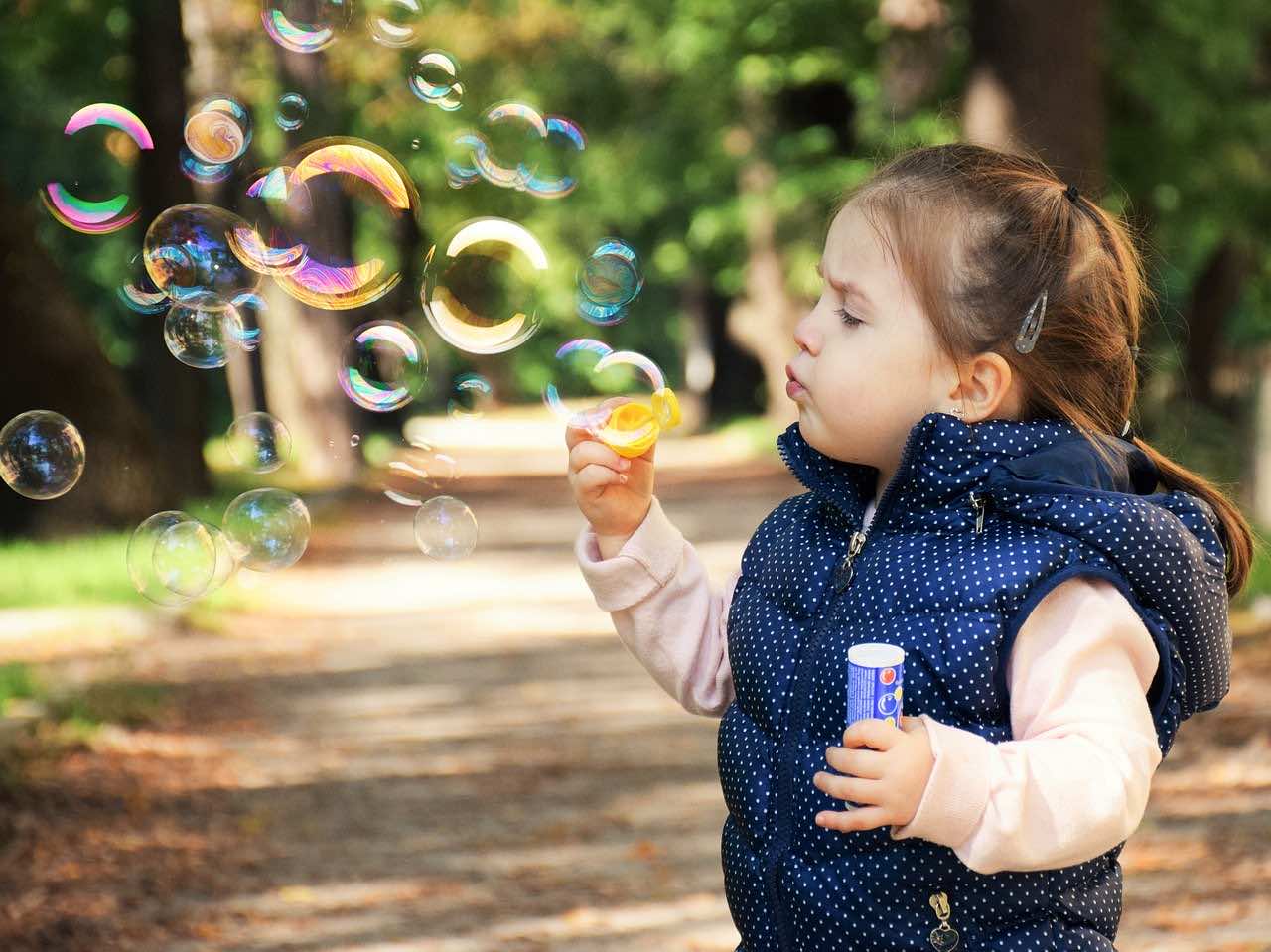
Children should be allowed to play and have fun at home during the lockdown. Children can engage in therapeutic activities such as playing games or drawing to improve mood and enhance creativity.
Parents can help children develop their hobbies into talents. Children usually have favorite hobbies such as drawing, playing chess, making paper designs, writing stories. Parents should encourage their children to practice their hobbies by offering useful resources or at least encouraging words.
Read also: How to Use Household Products to Keep Kids Busy During COVID-19 Crisis
Exercise to improve physical and mental health
Because sport is important for both physical and psychological health, parents should set a time to do age-appropriate exercises with their children daily. Exercise stimulates brain chemicals improving mood, memory, and learning.
Sport is one of the best activities to do during the coronavirus lockdown. It helps improve self-esteem and reduce the risk of several illnesses such as heart diseases and lung disease, high blood pressure, diabetes, obesity, cancer, dementia, Alzheimer’s disease.
Children should exercise at least 60 minutes a day, according to the World Health Organization (WHO), and additional exercise will provide additional health benefits.
According to APA, exercising regularly is likely to help children perform better academically, cope with stress, and regulate their emotions. Exercise also helps children feel better about themselves, their bodies, and their abilities, and improve self-esteem.
Set future objectives
Children usually have dreams related to studies, future careers, and life. Parents can collaborate with their children to set future goals and help them to turn their dreams into planned objectives.
Parents can seek help online to teach children strategic planning and goal-setting, allowing children to divide tasks and activities to achieve their goals. They can develop personal values and skills such as creativity and ambition while planning their future objectives.
Children will also feel optimistic planning for a bright future instead of thinking about the lockdown or the coronavirus pandemic.
Parents and children should collaborate to support, learn, and share with each other during the current lockdown. By engaging children in multiple activities, parents can prevent them from worrying about the pandemic.
Read also: Free Educational Resources to Keep Kids Busy in COVID-19 Lockdown