 Join on WhatsApp
 Join on Telegram
Rabat – King Mohammed VI appointed on Monday 19 new ambassadors to represent Morocco in several countries, including Algeria.
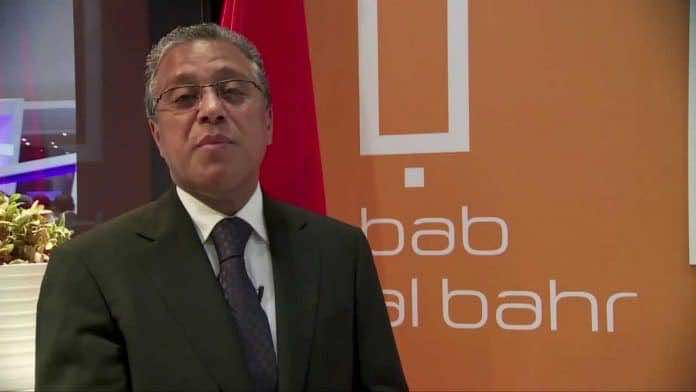
The King appointed Mohamed Ait Ouali as an envoy of Morocco in Algeria, a country with whom the North African country shares an unfriendly history and tensions due to Algiers’ position regarding the Western Sahara conflict.
Born in 1959 in Meknes, Ait Ouali replaced Lahcen Abdelkhalek. The diplomat holds a BA in philosophy.
After spending some time in Egypt in the mid-1980s, he returned to Morocco in 1991 to finish his doctorate degree.
Ait Ouali soon after pivoted to diplomacy, having held the position of adviser to the Moroccan embassy in Egypt. He was also in charge of studies in the Office of the Minister of Foreign Affairs in July 1999.
He also served as deputy ambassador to Tunisia after his appointment to the post in 2000.
Ait Ouali also served as ambassador to Bahrain from 2006-2011 and ambassador to the UAE since 2011.
The appointment of the new ambassador to Algeria comes amid continuous tension between Rabat and Algiers.
Morocco and Algeria’s most recent diplomatic flare-up
On June 9, Morocco’s Minister of Foreign Affairs Nasser Bourita summoned the Algerian Ambassador to Morocco, Abdelhamid Abdaoui, after the spokesman of Algeria’s presidency, Belaid Mohand-Oussaid, voiced hostile remarks about the Moroccan government.
Oussaid accused Morocco’s consul in Oran, Aherdane Boutahar, of “spying” in favor of Morocco’s intelligence community.
The accusations against the consul come after a video online allegedly shows him calling Algeria an “enemy country.”
Although the consul denied the accusations against him, Algerian officials attacked him and Morocco with hostile remarks, adding oil to the fire.
Algeria and Morocco already share an unfriendly history due to Algiers’ position against Morocco’s territorial integrity.
Ongoing tensions over Western Sahara
Morocco’s neighbor backs the Polisario Front’s independence claims for Western Sahara, financing Polisario’s militias.
The consul left Algeria, and Morocco’s Minister of Foreign Affairs Nasser Bourita intervened after the spokesperson of the Algerian presidency accused Rabat of spying.
Bourita said that Morocco had no intention to issue replies in response to the claims and accusations from Algeria’s officials.
But, “given the extreme gravity of such remarks, Morocco expresses its dismay at these allegations emanating from a representative of an institution supposed to exercise discernment and restraint,” Morocco’s foreign minister said on June 9.
He described the statements as “ridiculous and baseless.”
On July 4, President of Algeria Abdelmadjid Tebboune commented on the relations between Algiers and Rabat during an interview with France 24.
In the interview, Tebboune said the “escalation was verbal until now, but we noticed that our Moroccan brothers turn to another form of escalation.”
The Algerian president said his country hoped the escalation between the two countries would “stop,” wishing “the greatest happiness and all development to brotherly Moroccan people.”
He said his country has no problem with Moroccans.
“It seems that it is the Moroccan brothers who are the problem with us,” he said.
Algeria’s positions and actions against Morocco’s territorial integrity say otherwise, as Algiers continues to refuse to engage in the UN-led political process to find a mutual solution for Western Sahara as a party to the conflict.
The North African neighbor continues to claim that it is only an observer although it offers support to the Polisario Front, which has a managing role in the Tindouf camps.
Algeria’s move to delegate Polisario sovereignty over part of its territory is in violation of international humanitarian law, including the provisions of the Convention on the Status of Refugees of 1951. The provisions provide that the host state remains the primary holder of the obligation to protect the population in its territory.
This is not the case in Tindouf, where thousands of Sahrawis live in alleged dire conditions and face malnutrition due to continuous aid embezzlement from those in charge of the camps.