 Join on WhatsApp
 Join on Telegram
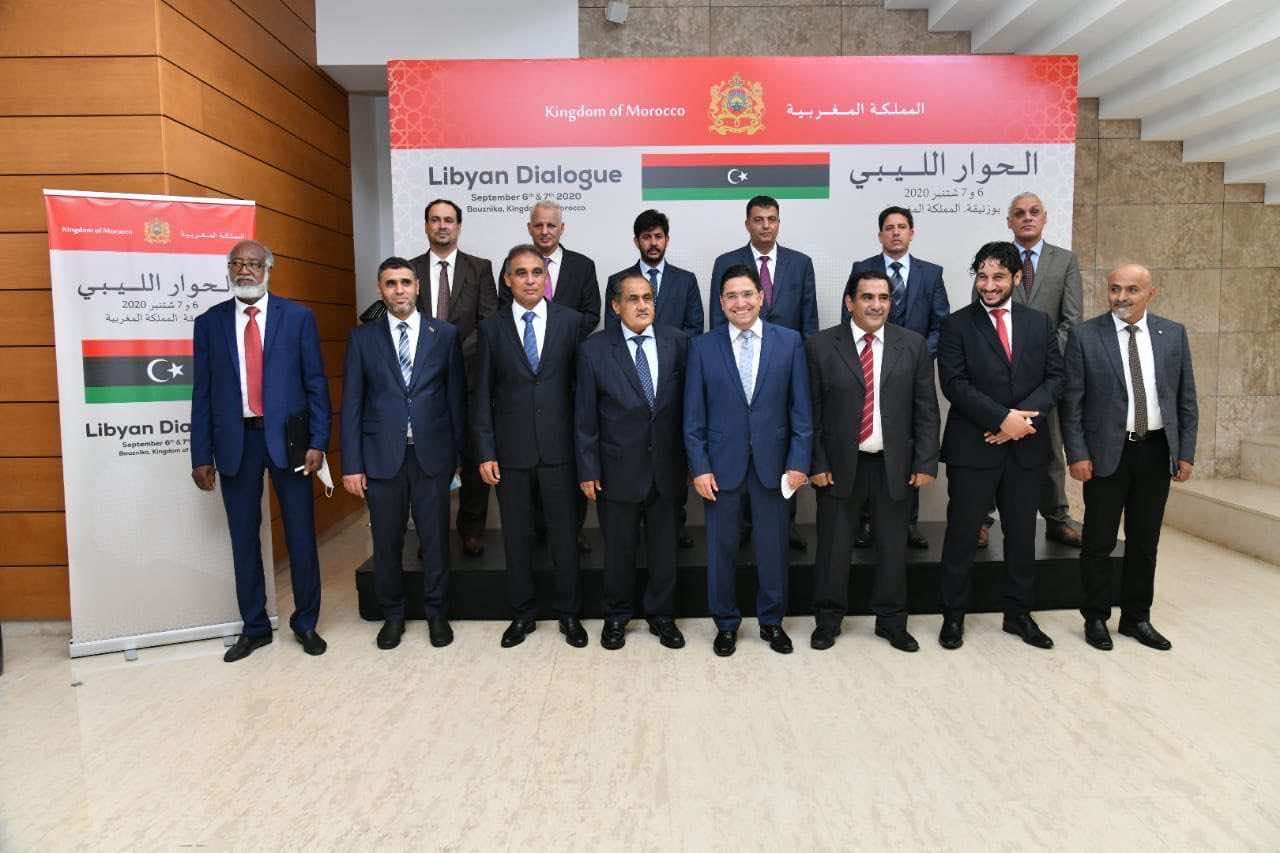
Rabat – The dialogue sessions aiming to put an end to the Libyan crisis are ongoing for a second day in Bouznika, near Morocco’s capital city of Rabat.
The meeting brings together delegations of the Libyan High Council of State and the Parliament of Tobruk. It aims to maintain the ceasefire between the conflicting parties and facilitate negotiations.
The two delegations held the first sessions of the dialogue on Sunday, September 6. During the first day, the two parties expressed their ambition to reach a consensus that will bring peace back to Libya and end the suffering of its people.
They also welcomed Morocco’s concern over the Libyan crisis and the kingdom’s initiative to offer an appropriate negotiation climate.
During his opening speech, Morocco’s Minister of Foreign Affairs Nasser Bourita expressed his satisfaction with the recent positive developments in the Libyan file. He specifically mentioned the ceasefire declaration announced on August 20.
The agreement “is likely to prepare the ground for moving towards a solution to the Libyan crisis,” Bourita said.
Morocco’s consistent position
The Moroccan diplomat also recalled Morocco’s position regarding the Libyan crisis. The position, which Bourita reiterated on several occasions, includes three main principles.
First, Morocco believes that the solution can only come from Libyans themselves and not from foreign intervention. According to Bourita, foreign involvement will only make the situation in Libya more complex.
The second point is that the solution must be peaceful because military campaigns will cause casualties and destruction rather than improve the situation.
Finally, Morocco believes the solution to the Libyan crisis must be primarily political to ensure the legitimacy of any government that would come after elections.
The opening of the dialogue in Bouznika comes six weeks after the President of the Libyan High Council of State, Khalid Al Mishri, and the Speaker of the Libyan Parliament, Aguila Issa Saleh, visited Rabat at the invitation of the Speaker of Morocco’s House of Representatives, Habib El Malki.
Following the visit in July, the two officials of the rival parliaments announced their desire to meet in Morocco for dialogue.
The Bouznika dialogue also follows the visit of Stephanie Williams, the deputy head of the UN Support Mission in Libya (UNSMIL).
During her visit to Rabat, Williams thanked Morocco for the “unwavering and continued support” it provides to the UN to solve the Libyan crisis.
“The Libyans are very happy to know that I am in Morocco because they are aware that the Kingdom has a great history in supporting UN processes,” she emphasized.