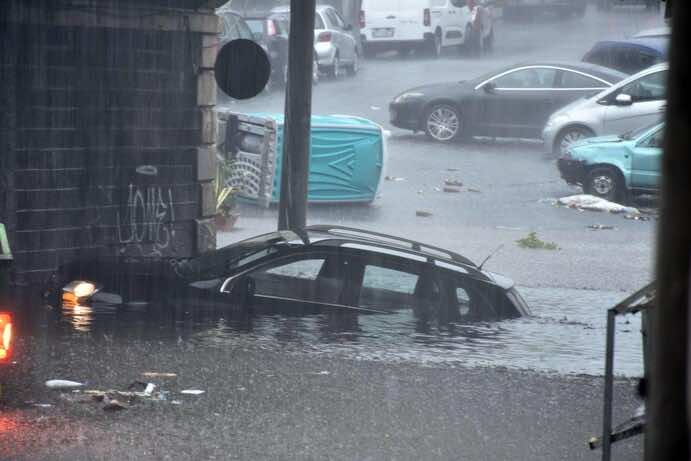
Denver – Torrential rains continue to devastate residents in the Mediterranean region, after a rare weather phenomenon known as a “Medicane” struck the area this week.
While hurricanes are typical in the Pacific, Atlantic, and Indian oceans, the presence of a hurricane in the Mediterranean has alarmed many due to the typical calm nature of the sea, and the area’s high population density. At least two people have been reported to have died in the area as the storm continues to move northward.
Climate experts warn that as global environmental damage continues, unnatural events like medicanes could become commonplace within the region. A similar storm in 2020 that ripped through the region left four people dead in Greece and caused over $100 million in damages.
As world leaders, climate experts, and environmental NGOs prepare to meet for the upcoming COP 26 global climate summit in the UK next month, the topic of environmental damage will be at the center of discussions amid the devastating effects of the current storm and other similar events across the world in recent months.
Countries like Morocco have continued to push for global emissions reduction, investing significantly in pollution reduction technologies such as renewable energies and eco-friendly industrial parks. However, the positive work of these countries continues to be offset by extensive damage from the world’s biggest polluters.
China, which continues to top global rankings in terms of pollution, has already stated it does not plan on attending the COP 26 summit next month. Similarly, Russian President Vladimir Putin also announced he would not be in attendance, even though his country ranks among the top five in global emissions.
Without the help of these large countries, the ability of smaller nations like Morocco to limit climate change and its effects is severely hampered, and the presence of continuous hazardous weather patterns in the future is all but certain.