Join on WhatsApp
 Join on Telegram
Rabat – Muslims wait all year long for the holy month of Ramadan, a special month unlike any other Muslim holiday. Ramadan is a month of spirituality, forgiveness, abstinence, closeness to God, and one’s family.
When Ramadan approaches, you can feel it while walking on the streets, marked by the smell of the sweet-scented “Chebakia.” You can observe it in the souks, overcrowded with shoppers ensuring that they buy all the essential ingredients for a traditional Iftar menu.
Fasting
Ramadan is the ninth month of the Islamic calendar, it is the month during which the Qur’an was revealed to the Prophet Muhammad, peace be upon him, on Laylat al-Qadr, one of the last ten nights of Ramadan.
Fasting in the holy month of Ramadan is one of the main pillars of Islam. In this sacred month, Muslims fast and abstain from fast-breaking acts, such as eating, drinking, and sexual activity from dawn to dusk.
Islamic teachings emphasize that fasting should also extend to behavior. Muslims should avoid all kinds of wrongdoings (lying, gossiping, profanity, etc.). After all, Ramadan is an opportunity to enhance moral strength. It is an occasion for meditation, prayer, spiritual growth, and good deeds.
Besides its spiritual values, fasting in Ramadan has many health benefits.
Research has revealed the following health benefits of fasting for Ramadan:
– Lower cholesterol: Improved cardiovascular health and reduced risk of heart diseases such as strokes or heart attacks.
– Absorption of more nutrients: Fasting makes the metabolism more efficient, allowing muscles to absorb more nutrients.
– Detoxification: It detoxifies the digestive system from any harmful toxins.
Better mental well-being: Clarity of mind and reduced stress, becoming happier and alert.
Iftar and Suhoor: Ramadan’s two main meals
The number and schedule of meals change during the month of Ramadan. Iftar and Suhoor are the two main meals.
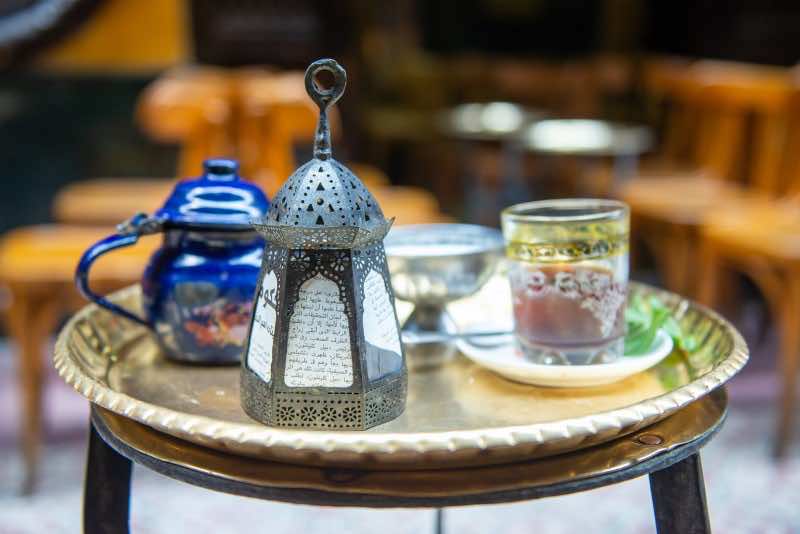
Iftar is served at dusk. It is advisable to eat the Iftar meal as soon as possible. Start by eating dates, as they give the body the required energy due to the essential vitamins and other nutrients they contain. Afterward, drink a glass of water.
Read Also: Five Healthy Tips to Implement into Your Lifestyle This Ramadan
It is recommended to delay the Suhur meal as much as possible until dawn. It is an important meal of Ramadan since it provides the body with the necessary fluids and nutrients needed to help during the fasting hours and strengthen it. It also helps to prevent fatigue and tiredness during the fasting period and eases the feeling of hunger and thirst.
Prayer
Prayer is of the five pillars of Islam. Hence, Muslims are keen to maintain it during the month of Ramadan and perform it on time with peace and devotion. In addition to the five daily prayers, there is a prayer specific to the month of Ramadan, namely the Taraweeh prayer.
Taraweeh Prayer
Taraweeh is derived from the Arabic word meaning ”to rest and relax.” It is a type of Islamic meditation. The Taraweeh prayer includes many Rakats and is performed every evening during the month of Ramadan after the Isha prayer.
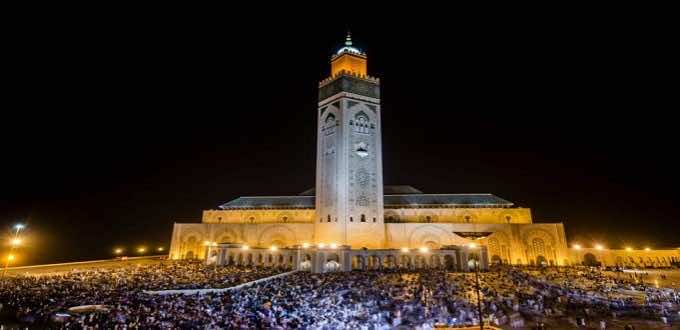
Praying Taraweeh in Ramadan is considered by Islamic scholars as “one of the greatest acts of worship by means of which a person can draw closer to his Lord in this month.” It also has many religious rewards, such as the forgiveness of sins.
Charity
Ramadan is the month of charity and good deeds. The month of becoming better versions of ourselves and helping others. Acts of kindness are seen everywhere during the holy month of Ramadan. A lot of people give donations to those in need
Feeding a person in Ramadan is also considered an act of charity. Many families and restaurants prepare free Iftar and Suhoor meals for the less fortunate.
The spiritual reward for charity during the month of Ramadan is considered to be twice as much as in other months. Don’t forget to prepare a meal for the less fortunate people this coming Ramadan!
Read Also: King Mohammed VI Launches ‘Ramadan 1443’ to Support 3 Million Moroccans