 Join on WhatsApp
 Join on Telegram
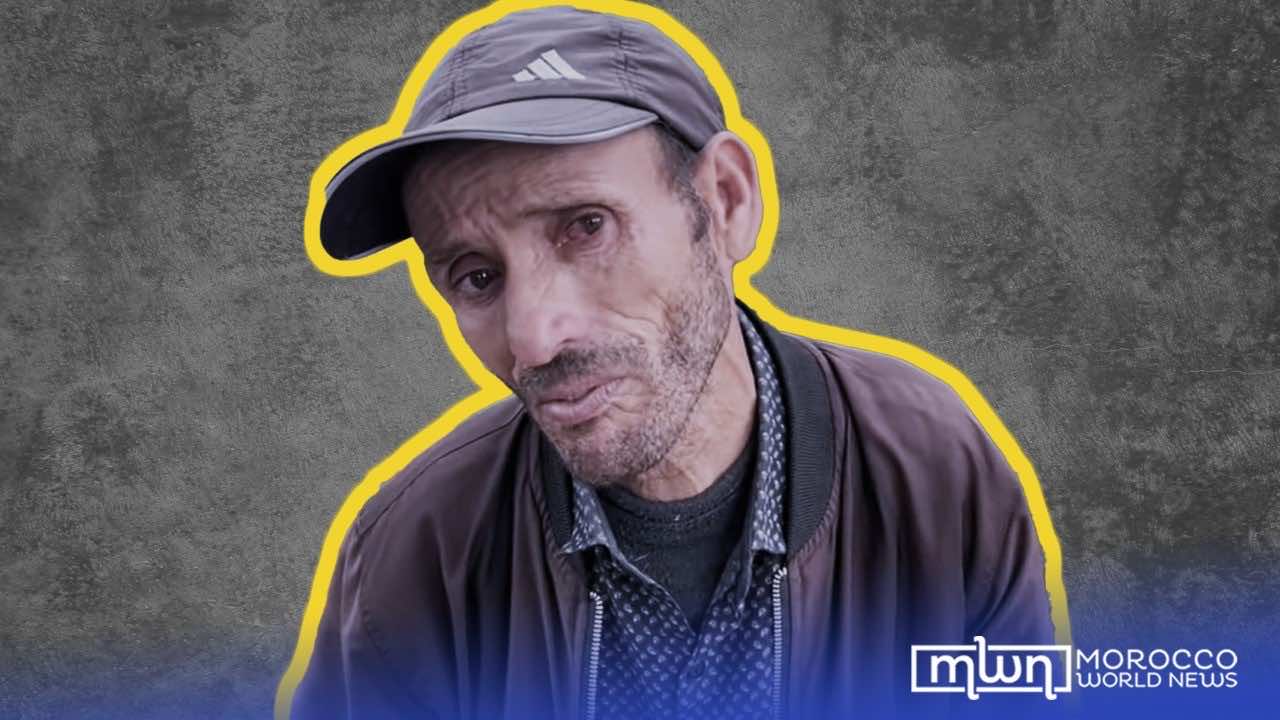
Rabat – Following an online campaign in support of “Si Hmed,” a victim of bank robbery, Attijariwafa Bank has returned the man’s MAD 162,000 ($16,500) savings to his bank account.
While initial reports did not name the bank responsible, the prevailing belief is that the bank was a branch of Attijariwafa Bank.
Attijariwafa Bank is one of two agencies located on Driss Lahrizi Street, Casablanca, with CIH – the other agency located there – having denied any involvement in the story.
Si Hmed is the name many Moroccans across the country and abroad have attributed to the construction worker in Temara who had his life savings stolen from his account, after his story trended on social media platforms.
The man said that he had spent 35 years working in construction saving up money to build a small house for his family in Agadir, only to be surprised to see his MAD 162,000 ($16,500) savings vanish overnight.
While the bank was uncooperative at first, it seems that the story’s spread on social media kicked off serious efforts to find the criminal responsible. And Si Hmed has since reported that the authorities have found the culprit
The culprit used a fake identity card, with his photo edited over the victim’s, and withdrew more than MAD 160,000 over one day in eight different agencies in Casablanca.
“They told me they’ll support me until I get my money back,” the victim said in Facebook videos about his conversations with the local authorities.
Fingers on social media are pointing towards Attijariwafa Bank as the involved institution. MWN reached out to the bank but was not able to get a statement denying or confirming the allegations at the time of writing.
While authorities’ discovery of the culprit’s identity suggests it is only a matter of time before Si Hmed’s money is found and returned to him, the incident has raised uncomfortable questions about the shortcomings of Morocco’s service industry, including the country’s public services and its banking system.
Read also: Poor Treatment of Bank Client in Robbery Incident Sparks Outrage in Morocco
Security concerns
Amid the social media outrage initiated by Si Hmed’s case, several commenters have come forward with their own stories of fraud and stealing.
A tweet by CIH Bank that denied its involvement in the incident was met with numerous comments from the bank’s clients who claimed that they also had varying amounts of money taken from their accounts without their consent.
These experiences were evidently not limited to CIH, as clients from several other banks shared similar stories.
“All Moroccan banks are the same, the only difference is the name,” one commenter said on social media, signaling a lack of trust and faith in the country’s financial institutions.
The repeated incidents have raised security concerns among bank clientele, and many have – much like Si Hmed – reported fraudulent in-person withdrawals from their bank accounts.
Withdrawing money in person requires the presentation of a valid ID, most commonly a national identity card (CIN). But the ongoing social media firestorm about the reliability of Moroccan banks suggests the use of forged documents to fraudulently withdraw money in person is a rather common occurrence in Morocco.
Some have called for banks to put in place more stringent security measures to combat these crimes, such as verifying documents with those on the record.
While the security concerns are important, many more people think the subsequent investigations of the banks and the way banking agencies generally treat customers are a bigger concern.
Treatment of customers
The brazen stealing of the life savings of Si Hmed, an old, working-class citizen, may surely have played a part in Moroccan netizens’ storming of social media to vent their outrage. However, perhaps the thing that made people really invested in the story was the way Si Hmed was treated by his bank when he notified them of his case.
The victim reported being repeatedly dismissed by workers at the agency located in Driss Lahrizi Street, Casablanca, and even by the director, with one employee allegedly telling him that “there is nothing that can be done for him.”
In addition, the man was also denied access to surveillance footage, despite protesting in front of the bank in question for around two weeks.
He attributed the treatment to his lower economic status and the fact that he did not receive a formal education.
Si Hmed’s recounting of how he was ignored and condescended to by bank clerks and management is hardly news in Morocco’s service sector. Blue collar workers regularly report being dismissed at private and public institutions, while more affluent people are naturally treated better.
Class discrimination common across the globe, but the widening wealth gap in Morocco often exacerbates it.
Mohamed Karim, president of the branch of Economics and Management in Mohammed V University’s College of Law, has been quoted as explaining that Morocco’s ever-deepening class-based disparities have made it harder than ever for Moroccan families to penetrate the middle class nowadays.
With these inequalities bound to impact on people’s ability to acquire formal education or pass their wealth to their offspring, Moroccans are left wondering if the divide in the treatment in institutions is only bound to get worse.
Banks and similar institutions also suffer from organizational inefficiency, clients say, which means investigations into these issues can take long periods of time.
With Morocco looking forward to improving its financial and digital infrastructures to become better on the global stage, such fatal flaws in how banking institutions operate and how customers are treated should be addressed.