Rabat – Morocco in many ways cannot compete for diplomatic clout with its larger competitors across the world, yet it holds a few unique cards that are producing results for Rabat.
West-Africa, and the Sahel region in particular, form some of the most complex geopolitical arenas in the world, save for the Persian Gulf and South-China Sea. Yet, caught in the midst of conflict, famine and migration, Morocco is producing a new model of diplomacy that is both holistic and pragmatic.
Morocco is facing the same threats as its southern neighbors. Climate-change, economic fragility and political instability are a shared threat to the safety and prosperity of us all, and create a unique bond between affected countries that transcends the traditional paternalistic development aid model where rich countries “aid” the poor.
The North African country is making new friends and solidifying old relationships through its unique blend of diplomacy based on existing cultural, historic and religious ties, as well as a shared need for rapid advancement, development and knowledge-building.
Morocco’s approach is working, and it’s working in one of the toughest geopolitical contexts on the planet.
Instability as the norm
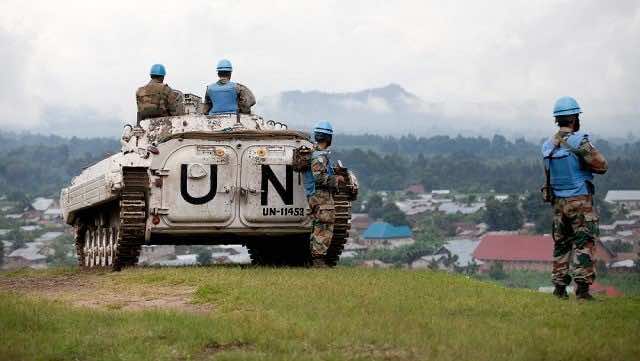
The Sahel region is uniquely impacted by the reality of global trends, from religious extremism to water scarcity. Caught in the storm of international finance, irregular warfare and the evolving climate crisis, the Sahel is one of the most tumultuous regions in the world.
From Mauritania to Eritrea, weak political and economic institutions have created a power vacuum that favors jihadist groups, exploitative industry and power-hungry military commanders looking to exploit structural weaknesses in African countries.
Food insecurity, famine, and water scarcity are current signs of more hardships to come. Population growth and youth unemployment, combined with rising temperatures and more frequent natural disasters is putting more pressure on the resources of North Africa and the Sahel.
To tackle these emerging issues, some countries including Morocco are resorting to reducing greenhouse gasses, producing green energy, and investing in desalination.
However, these projects require heavy and long-term investments that remain unachievable for most of the region’s vulnerable economies.
Meanwhile the region, and North Africa as a whole, is facing new emerging threats originating from outside forces. A key example of regional fragility is the current disruption of supply chains by the ongoing COVID-19 pandemic, exacerbated by the war in Ukraine, which threatens food supplies in the region.
Faced with economic and environmental crises, many on the youthful continent are resorting to northward migration for employment opportunities and better living conditions. In such a context, North African governments operate as gatekeepers for Europe.
Morocco’s diplomatic momentum
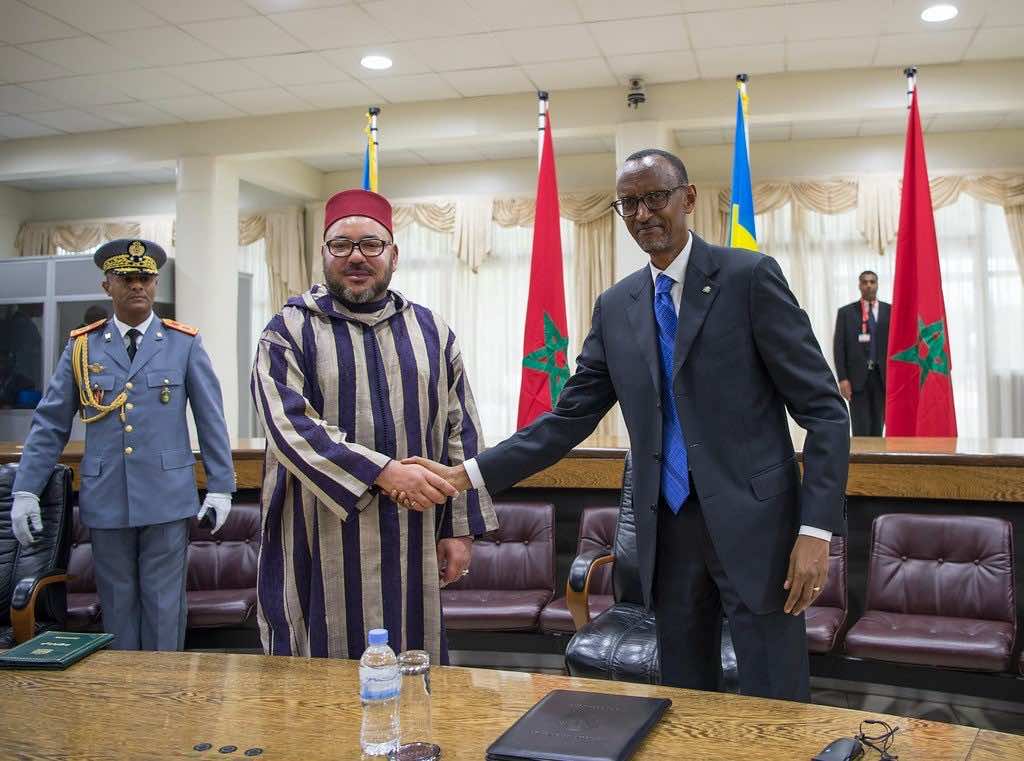
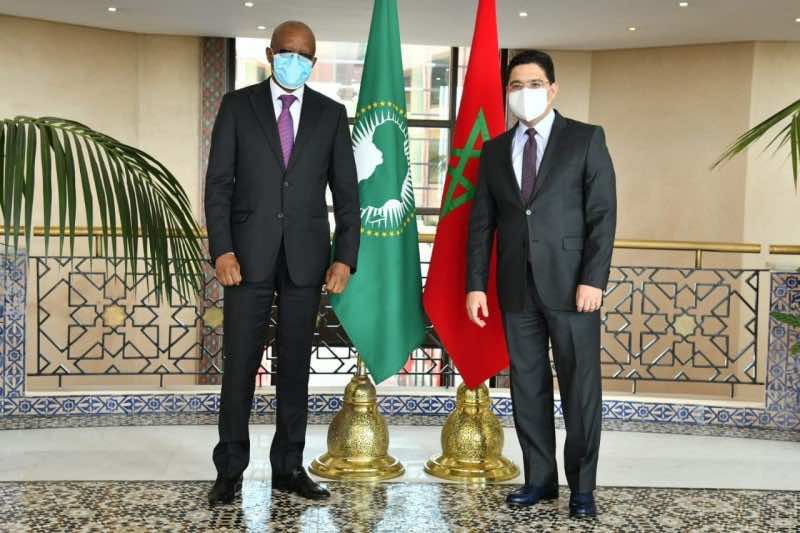
In a region marked by instability, productive diplomacy is often swept aside in the name of short-term pragmatism in response to crises. Yet, in West-Africa, a positive diplomatic trend has emerged over the past decade that bucks this trend of short-term thinking, and is creating new hope for future cooperation and development.
The trend in question comes from Morocco’s decades-old efforts to create a diplomatic consensus on the Western Sahara dispute, creating momentum that has swelled ever since Morocco rejoined the African Union in 2017. The emergence of a new coalition of like-minded countries can finally serve as a basis for peace and a mutually acceptable solution to this lingering geopolitical sore undermining regional stability.
Through intense diplomatic efforts and development cooperation, Morocco has welcomed a variety of African countries to open consulates in Dakhla and Laayoune.
These buildings symbolize a new consensus on dialogue and cooperation as the solution for the Sahara dispute. That consensus extends beyond Africa, with several Caribbean and Arab nations establishing brick-and-mortar examples of their support for Morocco’s efforts to resolve the dispute.
With the US and Spain now firmly and officially on Morocco’s side of the Sahara dossier, the dominos in the West are similarly falling in favor of pragmatism and with a renewed will to resolve the three-decade old conflict that has divided the region. The diplomatic push-and-pull between rivals Morocco and Algeria is tipping in Rabat’s favor, to the benefit of regional peace.
International players
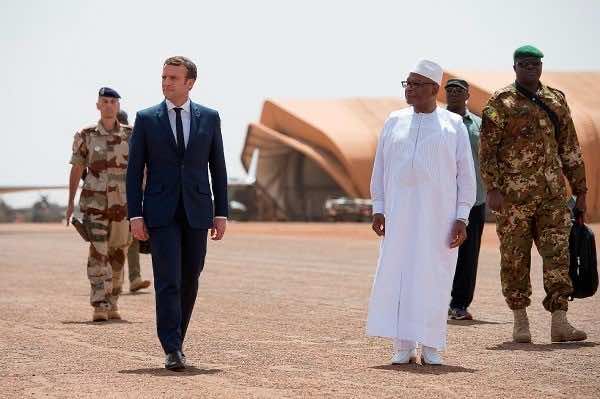
As Moroccan diplomatic gains accumulate, the country’s sphere of influence in North Africa and Sahel overlaps with the interests of regional actors such as neighboring Algeria and international powers including the United States and Western European countries including France and Spain.
With the French presence and popularity in the region waning, Spain has been eager to consolidate ties with the neighboring continent to address pressing issues such irregular migration and security while building new trade ties.
Italy also expressed willingness to reinvigorate its position in the Mediterranean by strengthening its stand on the Libyan crisis.
Rising tensions with Algeria threaten to undermine Morocco’s growing network of diplomatic and trade relations in Africa. Yet Morocco has successfully secured and consolidated relations with the United States and Europe through establishing diplomatic, security, and economic cooperation. These ties back Morocco’s leadership position in the region, and Algeria’s waning diplomatic and economic clout.
However the latest European energy crisis induced by the war in Ukraine could again tip the balance in Algeria’s favor, with the US and Spain negotiating an increase in Algerian natural gas supply to Europe. Still, Algiers’ hostile stance towards Morocco appears to be undermining its reputation as a reliable supplier of hydrocarbon products.
With the downfall of ISIS in the Levant, American, European, and Maghrebi decision-makers and security experts have dedicated more attention to the unstable region of Sahel.
Global impact
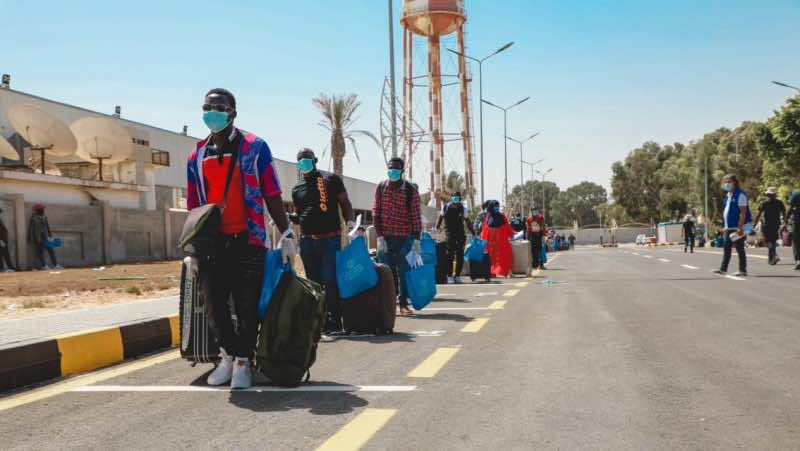
The strategic and resource-rich region remains a major concern for regional and international stability, especially given its proximity to Europe. The presence of Daesh, Al Qaeda-affiliated groups and other extremists have undermined the legitimacy of central governments and provided a pass for foreign intervention in the region.
For years, foreign interventions in the Sahel have fueled political and social unrest, leading to the deepening of the power vacuum and an increase in arms flow from post-Gaddafi Libya that supports irregular warfare and criminal activities. Meanwhile the structural issues of lingering poverty, a lack of opportunities for youth and regional power struggles cannot be resolved by foreign military interventions
Coups d’etats in Burkina Faso and Mali are perfect examples of people revolting against governments unable to deal with their most pressing issues, yet the question arises: What better alternative exists in a region “bounded” by foreign intervention and instability?
In such a context, Morocco tries to provide a comprehensive alternative. As a former colony of Spain and France, the country remains relatively reliant on diplomatic and economic relations with Europe and the United States, while understanding the mentality and structural issues plaguing formerly-colonized people and their governments.
However, Morocco’s historical and religious bonds with countries in the Sahel lays the ground for cooperation and mediation in face of religious extremism.
Unable to invest millions of dollars in military or economic support in the region, Morocco is using its moderate diplomacy to maintain relations with the ruling and rival parties in the region like in Libya and Mali.
A new era
Over the years, Morocco has built a reputation as a reliable partner and promoter of stability in Africa. With solid cooperation with the United States and European countries, Morocco transcended its sole role as a partner, to aspire to regional leadership.
Morocco’s ambitions continue to overlap and conflict with the interests of its hostile neighbor Algeria and former colonial powers of France, Spain, and Italy as well as the conflict-driven world order, international finance and foreign business interests.
Unable to match the economic and military power of its competitors, Morocco is using its historical and cultural card of religious diplomacy. Faced with Wahhabism and Shi’ism in Africa, the country mobilizes its religious networks throughout the continent to boost its image as the legitimate frontrunner in Africa, or at least lead Muslim communities in the continent.
In an era defined by Islamophobia and divisions, Morocco’s diplomatic and economic leadership empowered by moderate Islam is much needed and supported. With the exchange of knowledge and win-win trade deals as their primary weapons, Moroccan diplomats are welcomed in African capitals looking for genuine partners.
Morocco’s vision for Africa stands apart from the centuries-old colonial divide-and-rule mindset and provides an opportunity to reverse the core-and-periphery model. As African countries remain reliant on their former colonial masters and current funders, Morocco aspires for an inclusive, independent, and intellectual Africa.
At Morocco World News we believe in talent, this analysis is the result of a collaboration between one of our junior talents and our senior writing staff.
To discover more about Morocco’s unique approach to African diplomacy, check out the second part of this analysis, “Morocco’s Unique Diplomacy Assets Produce Results in Sahel.”