 Join on WhatsApp
 Join on Telegram
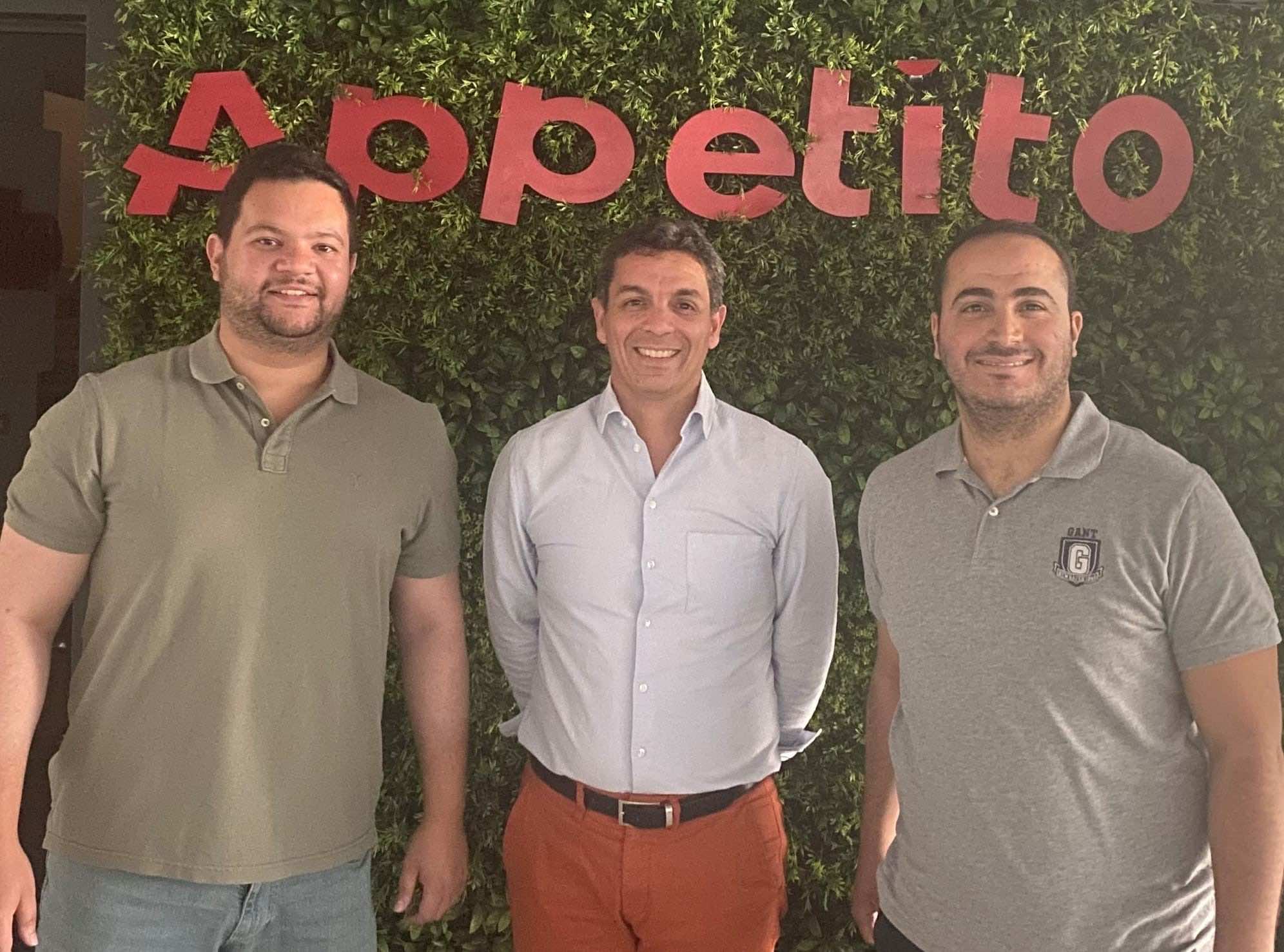
Rabat – Cairo-based quick commerce startup Appetito recently announced its acquisition of Lamma, a Tunisian q-commerce startup, in a $10-15 million deal which will allow it to expand operations in Morocco and Tunisia.
Shehab Mokhtar, CEO of Appetito told Forbes Middle East that Morocco and Tunisia “are considered two key markets due to the fact that they connect Egypt and the Middle East with West Africa and French-speaking African markets.”
Appetito, since its launch in 2020, has provided quick delivery services in the growing Egyptian grocery market that is worth $60 billion.
Over the past 10 months, the startup has recorded an average of 45% month-over-month growth and it is expecting to benefit from further q-commerce growth in the region.
As Appetito concluded its acquisition of Lamma, founded by Yasser Ismaili El Idrissi, former General Manager of Careem in Morocco, the Egyptian startup now has access to three “dark stores” (shops catering only to online deliveries) and one distribution center in Tunisia and Morocco.
Additionally, Lamma’s founders, El Idrissi and his partner Aymen Koussi, will join the Appetito “family,” Mokhtar announced on LinkedIn. El Idrissi will hold the Chief Growth Officer position with the Egyptian startup.
Read Also: Moroccan Start-Up Cloud Fret Raises €1 Million in Seed Round
Amid the COVID-19 pandemic, q-commerce and e-commerce have witnessed a significant increase in revenues associated with limited mobility and a change in consumer behavior.
Quoting Redseer Strategy Consulting, Forbes said that the Middle East and North Africa region “is rapidly emerging as a global leader in quick commerce” with the sector contributing to 20% of MENA’s digital economy and is forecasted to reach $20 billion by 2024.
In Morocco, the 2020 four-month lockdown led to a 46% surge in the volume of transactions made through Moroccan e-commerce websites. Online purchases in particular saw a 25% year-on-year growth.
Online retailers and peer-to-peer commerce operators in Morocco also benefited from this regional and global growth.
Despite the MENA’s struggle with “massive supply chain inefficiencies,” El Idrissi noted that “quick commerce, when executed properly, is more relevant in Africa & Middle East than in the rest of the world [thanks to its] good prices and convenience.”
Read Also: Moroccan Startup Chari Acquires Axa Credit for $22 Million