 Join on WhatsApp
 Join on Telegram
Rabat – The situation in the Tindouf camps, a remote region located in the westernmost parts of Algeria continues to spark concerns from international organizations, particularly the UN.
Food insecurity has risen significantly in the region, which is home to 90,000 Sahrawi refugees, according to estimates from the UNHCR.
The precise number of Sahrawis living in “dire conditions,” remains shrouded in mystery, due to Algeria’s refusal to allow a census in the camps despite appeals from the international community, including the UN Security Council.
The absence of a far-reaching census
The Tindouf camps remain the only refugee camps globally where the UN is actively blocked from conducting a census, one of the core functions of the UNHCR. By not allowing a census, the camps’ refugees are deprived from benefiting from the Biometric Identity Management System which makes it possible to help beneficiaries get access to humanitarian aid.
In the Security Council’s latest Resolution 2602 of October 2021, the UN urged Algeria and the Polisario militia to allow a census in the Tindouf camps amid the ongoing social crisis facing the refugees in the region, including acute food shortages and diseases triggered by lack of food, such as anemia.
The report is not the first to decry the absence of census in the camps of Tindouf. In 2005, a confidential investigation by the UNHCR Inspector General’s Office stated that the “non-registration of refugees in Algeria for such a prolonged period constitutes an abnormal and unique situation in the UNHCR’s history.”
Acute malnutrition
A recent report from the UN’s offices in Algeria has brought renewed alarm among the international community over the deteriorating situation in the camps.
Released in August, the report warned that food rations in the Tindouf camps have been reduced by 75%. Meanwhile, the funds needed for refugee food assistance doubled to $39 million in 2022, increasing by an estimated $19.8 million since the outbreak of COVID.
Despite the alarming situation, Algeria, particularly pro-Algerian regime media, have chosen to focus instead on the UN’s brief acknowledgment of Algiers’ contribution over the last few decades.
Some Algerian news outlets have focused on the UN’s “valuing” the country’s solidarity and contribution with the Sahrawi refugees as a central point of coverage.
In truth, although the UN’s communiqué did acknowledge donations made by the Algerian government, as well as international donors, the UN stressed the need for more donations to alleviate the current hardships of the camps’ population.
In addition to NGOs and other organizations, Morocco has frequently renewed its concerns, as well as the need for a UN intervention amid a growing socio-economic crisis that refugees face in the Algerian-controlled camps.
In November 2021, Morocco’s ambassador to the UN highlighted that the Algerian regime does not allow human rights NGOs and associations to visit the region, because it does not want them to witness the “inhumane conditions in the camps. “
Several reports have pointed fingers to Algeria and the Polisario, accusing them of direct involvement in the embezzlement of food aid intended for desperate Sahrawis.
These well-documented cases of fraud and embezzlement were cited in the report of the European Anti-Fraud Office (OLAF) in 2015. The exposed structural fraud covers the period between 2003 and 2017, showing Polisario leadership directly involved in selling Tindouf’s humanitarian aid in Mauritanian and sub-Saharan markets under Algeria’s watch, without any accountability.
For years, Algeria has been receiving food aid as part of humanitarian aid programs directed to Sahrawis in Tindouf, provided by UNHCR, WFP and ECHO, in addition to the aid directly granted by certain governments and donors.
Last year’s UNSG report on the situation in Western Sahara reported a notable increase in humanitarian contributions following the launch of COVID-19 related appeal for approximately $15 million in 2019. The appeal was issued jointly by UNHCR, WEP, UNICEF, and five non-governmental organizations.
“The three agencies received approximately 60% of their overall needs in response to the COVID-19 situation,” the report said while warning that the situation in Tindouf remains critical.
Human rights violations
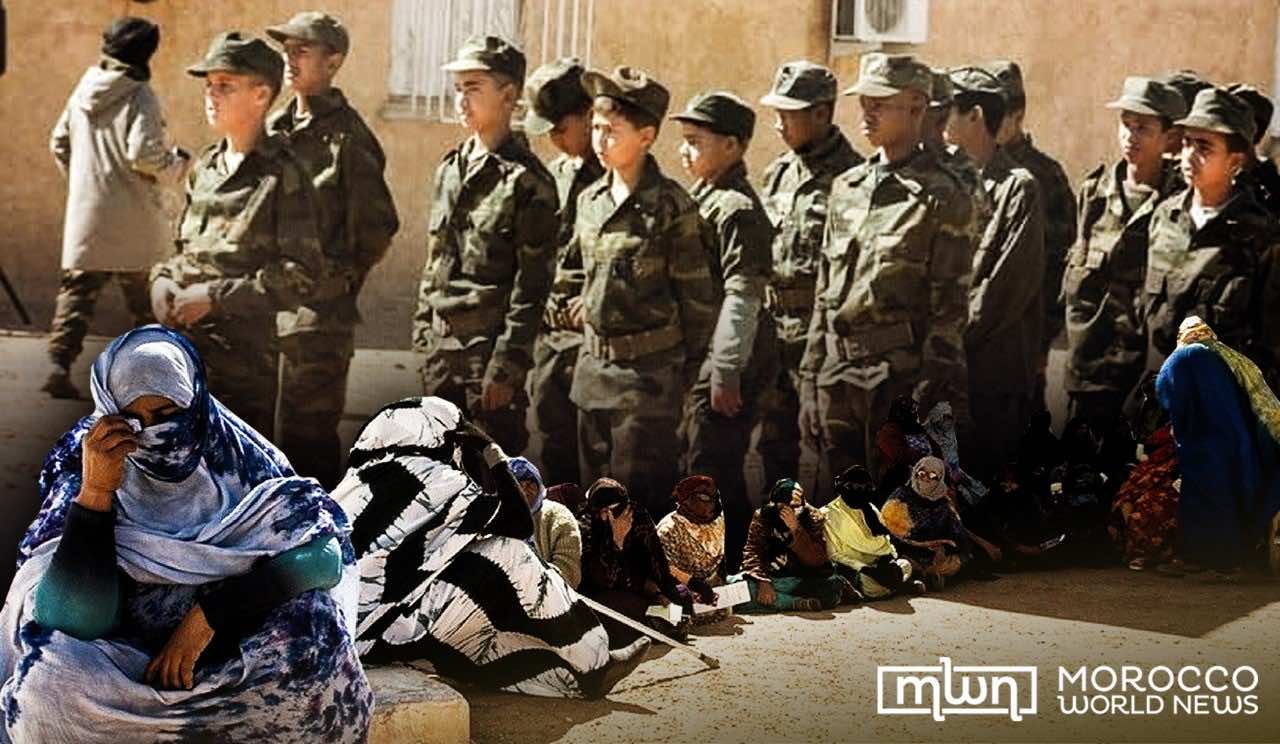
In addition to food insecurity, the camps also face other crises, including structural human rights violations which include imprisonment, kidnapping, and the recruitment of child soldiers among young refugees.
A report from the Office of the United Nations High Commissioner for Human Rights (OHCHR) cited UN experts highlighting concerns about the situation of Sahrawis in Tindouf.
The 2018 report quoted experts expressing “great concern about the state of Sahrawi refugees in the Tindouf region over the previous 40 years and asked about measures adopted by the State to assist them and mitigate violence and human rights violations.”
The same experts additionally highlighted the situation of disappeared children, urging Algeria to make “special efforts for mothers looking for their disappeared children and open investigations into this issue.”
Several reports linked the Polisario Front and Algeria to humanitarian violations against children. One of the scores of challenges facing youngsters in the camps is the militarization of children.
Last year, the #The Save_the_children_of_Tindouf hashtag swept social platforms to put pressure on the international community, urging it to intervene to end the alarming situation facing children in the camps.
In November 2021, Morocco confronted Algeria about the issue and accused it of encouraging and participating in committing child abuse in Tindouf.
“Despite all this international legal framework and calls for action, the children of the Tindouf camps continue to be forced to take part in military trainings, [and are] subjugated to all forms of exploitation and abuse by the ‘Polisario’ militia, under the indifferent eyes of the host country, Algeria, and in total defiance to the international Community,” Morocco’s Permanent Ambassador to the UN Omar Hilal said.