 Join on WhatsApp
 Join on Telegram
Rabat – Vinci, a French multinational company specializing in construction is facing trial over labor exploitation in its operations in the Middle East, specifically in Qatar.
According to converging reports, the construction company’s trials will start on November 9, over charges accusing them of exploiting migrant workers it had hired for the construction of stadiums for the 2022 World Cup in Qatar.
While international opinion is pointing an accusatory finger at Qatar, there seems to be little to no attention paid to the human rights infringements Vinci is allegedly committing in Qatar in violations of the country’s labor laws.
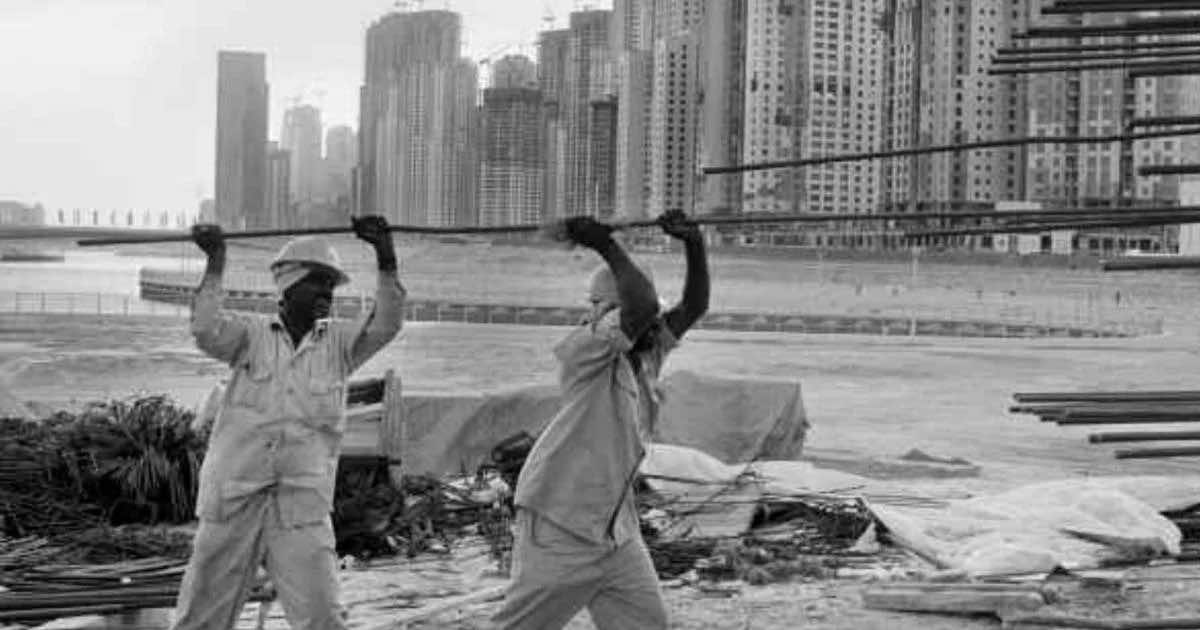
Migrants working for Vinci’s 49%-owned Qatari subsidiary QDVC have reported inhumane living and working conditions. One worker said that while he was working in Qatar between October 2012 and January 2014, there was no air conditioning in his workplace despite the health risks associated with working in hot weather, according to a court testimony cited by Reuters.
NGOs that first leveled the charges against the French company further accusing it of “forcing” migrant workers to work for up to 11-hour shifts six days a week, in violation of the Qatari labor code.
In addition to the outrageous working conditions, migrant workers were underpaid, with salaries amounting to 2% of the country’s average salary.
Responding to the court charges, Vinci said in a statement that it was “extremely regrettable that despite the proceedings having commenced seven years ago, its subsidiary should face charges just before the start of the Football World Cup in Qatar.”
The company went on to argue that all the projects in question were awarded to QDVC “before the competition was awarded to Qatar and mainly related to transport infrastructures. VINCI did not sign any contract with the Supreme Committee for Delivery and Legacy, and has not built any stadium or hotel in Qatar.”
In 2019, the company faced a class action from NGOs and six former Indian and Nepalese QDVC workers, according to reports cited by Reuters. Five more workers joined the class action later, the NGO told the media.
Read Also: Ghost Workers: Morocco’s Invisible, Exploitative Workforce