
 Join on WhatsApp
 Join on Telegram
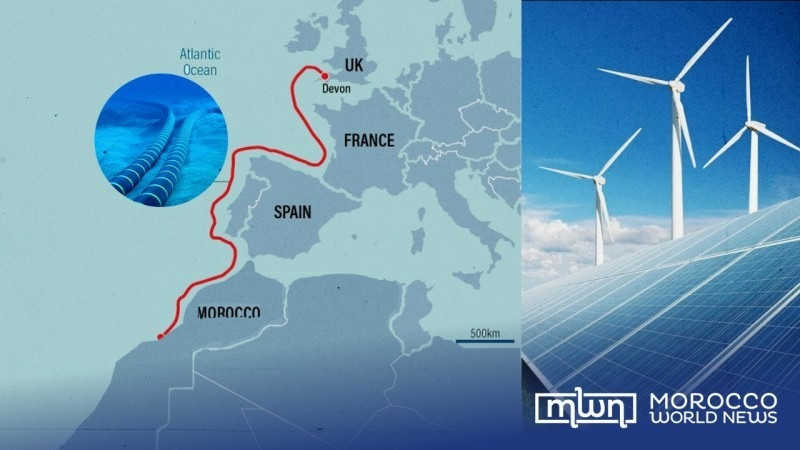
Rabat – UK-based subsea cable manufacturer cable company XLCC has successfully concluded model testing on its Cable Laying Vessel (CLV) for the Morocco-UK XLinks cable project, which is poised to transform the energy landscape between the two countries.
The project aims to establish a subsea power cable connecting Morocco and the United Kingdom, supporting the two countries’ commitments to clean energy and net-zero emissions.
“The week of testing in the Netherlands highlights the vessel’s efficiency levels and brings it one step closer to its widely anticipated delivery,” said Xlinks in a press release.
It noted that demand for high-voltage cables is expected to surge significantly over the next seven years across many countries, with the UK targeting an exclusive reliance on clean energy by 2035.
To meet the growing demand, “the CLV will support the much-needed market capacity expansion that XLCC brings to the subsea HVDC power cable manufacturing and installation industry,” added the statement.
XLCC’s CLV incorporates “cutting-edge” features designed to optimize operational efficiency and sustainability, Xlinks indicated, explaining that the vessel will use battery energy storage systems and shore power to reduce fuel consumption.
Read also: Octopus Energy, TAQA Invest £30 million in Morocco-UK Xlinks Power Project
By employing advanced technology and efficient processes, the XLCC CLV promises to revolutionize the cable laying process for the XLinks project, as well as support the transition to sustainable energy.
Commenting on the progress made, Project Director of XLCC Alan Matherns said: “This is an important milestone for us, and it shows our commitment to the project at hand.”
He added that his company aspires to “build something the industry has not yet seen before,” stressing that the project will help achieve their sustainability goals.
The successful model testing on the CLV represents a major stride towards the realization of the Morocco-UK Xlinks subsea cable project, which is set to cover around 8% of Britain’s annual electricity needs, powering more than 7 million British homes.