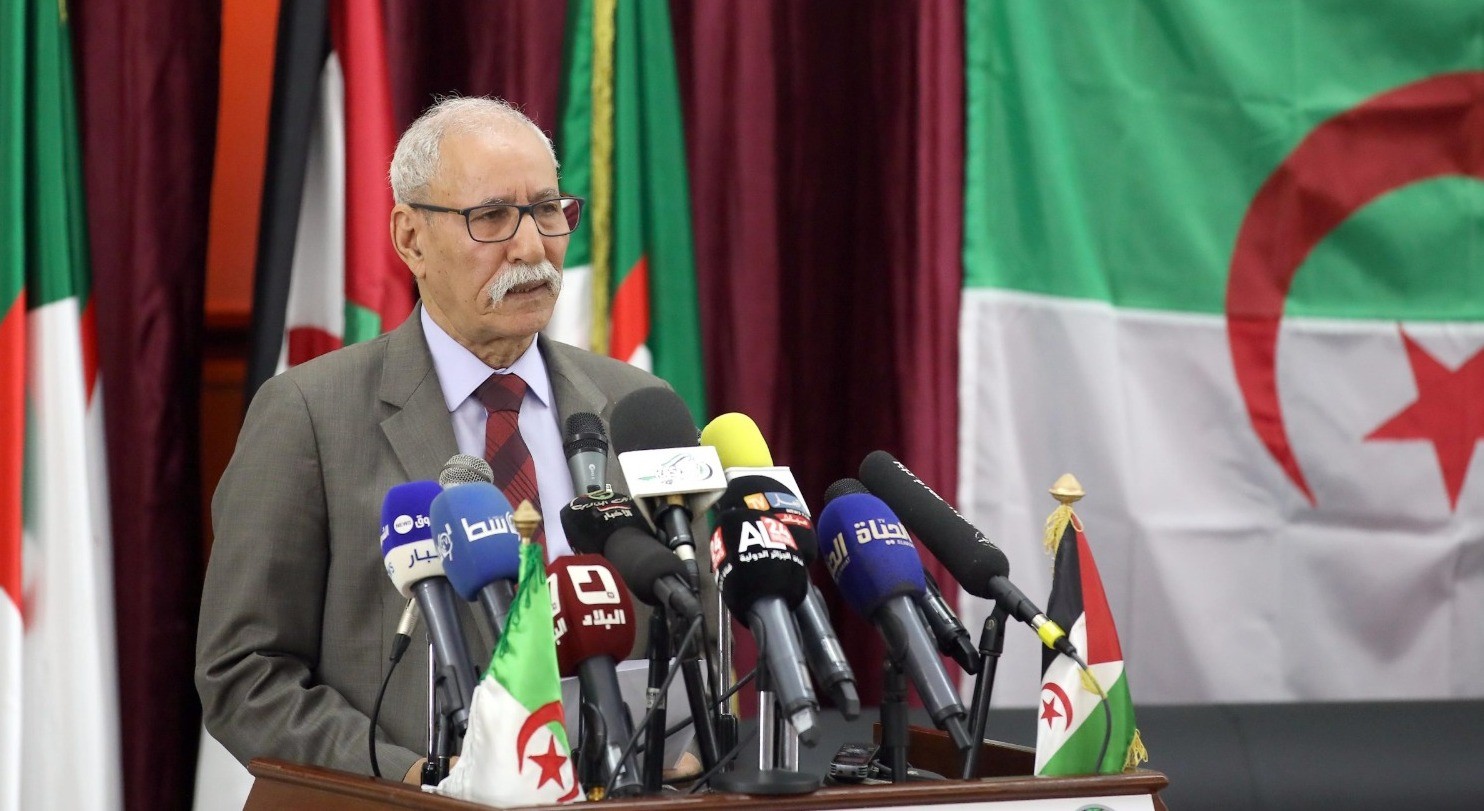
Rabat – Speaking from the Algerian city of Boumerdes, Polisario leader Brahim Ghali has called for a “full-fledged war” against Morocco, sending a message of defiance and threat to the country and emphasizing the separatist front’s readiness for extended conflict.
The chief of the separatist front made the remarks on Monday while concluding the annual Polisario Summer University in Boumerdes, which was scheduled to end on Tuesday. This calculated move aimed to overshadow Morocco’s celebration of the 44th anniversary of the recovery of Oued Eddahab on August 14.
During his address, Ghali took on a provocative tone as he urged for heightened conflict against Morocco, “no matter how much time it takes” and “no matter the sacrifices required.”
This statement is notably targeted towards Algeria, which has been a long-standing supporter of the Polisario Front, sheltering the separatist group and providing it with financial, logistical, and political backing.
The call for escalated hostilities comes amid a backdrop of diplomatic efforts and global calls for de-escalation, rendering Ghali’s stance a potential roadblock to peace and stability in the region.
While Morocco has consistently pursued diplomatic solutions and international legitimacy for its territorial integrity, Polisario’s approach appears to rely on strategic disruptions and provocative rhetoric to advance its agenda.
In addition, Ghali condemned the perceived “complicity and shameful collaboration” of certain parties within the United Nations Security Council, which he claims has turned a blind eye to these actions.
Read also: Polisario Continues to Report on Fake War Amid Calm, Stability in Guerguerat
Despite warnings from international bodies, including the United Nations, Ghali persistently presented bold assertions of an ongoing war with Morocco in Western Sahara, especially in Guerguerat.
However, these claims hold little substance and are not supported by factual evidence.
Ghali has in recent years claimed the existence of a “renewed war” between the Polisario Front and Morocco, warning that the potential consequences will “affect the entire region if the UN continues to manage the conflict instead of resolving it.”
However, the situation in the Sahara has predominantly involved sporadic incidents rather than a full-fledged “hot war” as suggested by Ghali.
Despite the rhetoric, the international community remains cautious about accepting Polisario’s declarations at face value. The UN’s persistent efforts to mediate the conflict and seek a diplomatic solution reflect the reality on the ground—a reality that belies Ghali’s bold rhetoric.
In the broader context, Ghali’s repeated claims of an ongoing war serve to complicate diplomatic efforts and maintain a confrontational atmosphere.
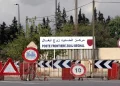
These claims have their roots in the Guerguerat events in 2019, which led to Morocco’s firm control over the Moroccan-Mauritanian border crossing after separatist individuals launched attacks in the area, with Polisario militias illegally blocking the buffer zone.
The Guerguerat events marked a significant turning point in the conflict, with Polisario claiming that the incident justified its declaration of war against Morocco.