Rabat – Morocco’s climate policy –which has received widespread global praise– comes up short when it comes to dealing with the effect of the phenomenon based on gender, a new report has argued.
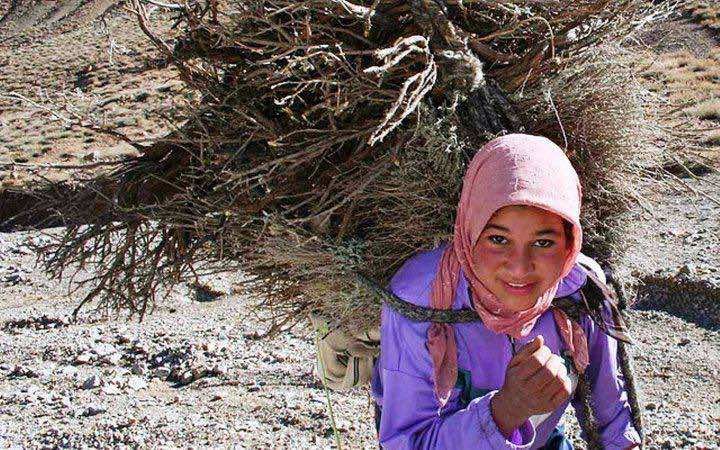
The effects of climate change compound existing gender differences and inequalities, the report’s author Aya Kamil argues, specifying that this can affect women’s quality of life and livelihoods, especially in areas such as rural Morocco that have greater inequalities.
This can be especially prone in flood prone areas such as Figuig, Ten Drara, and Bou Arfa, the report, published in the Carnegie Endowment for World Peace’s Sada magazine, adds.
With women representing over 15% of primary breadwinners in Moroccan households, such a disproportionate effect could harm their ability to provide for their families.
“Without taking gender into account, Morocco’s ability to adapt to climate change will remain limited,” the researcher argues. “The MCCP [Moroccan Climate Change Policy framework] devalues the strategic importance of gender, in part by prioritizing climate adaptation and mitigation over climate risk prevention and reduction.”
The researcher also drew attention to the gender disparity in international climate investment. Of the over $600 billion raised globally for climate financing in the 2019-20 fiscal year, only 10% went to funds that reach women.
The researcher recommended that the Moroccan government give greater attention to policies for risk management and mitigation, which can be more helpful to women who rely on agriculture for example to earn a living.
Giving women more access to green employment opportunities and social safety nets can also help bridge the gap when it comes to the effects of climate change.
“The path that lies ahead is certainly arduous, but given Morocco’s strong record on climate adaptation, the kingdom is capable of leading the region in the drive for gender-inclusive climate action,” the researcher concludes.