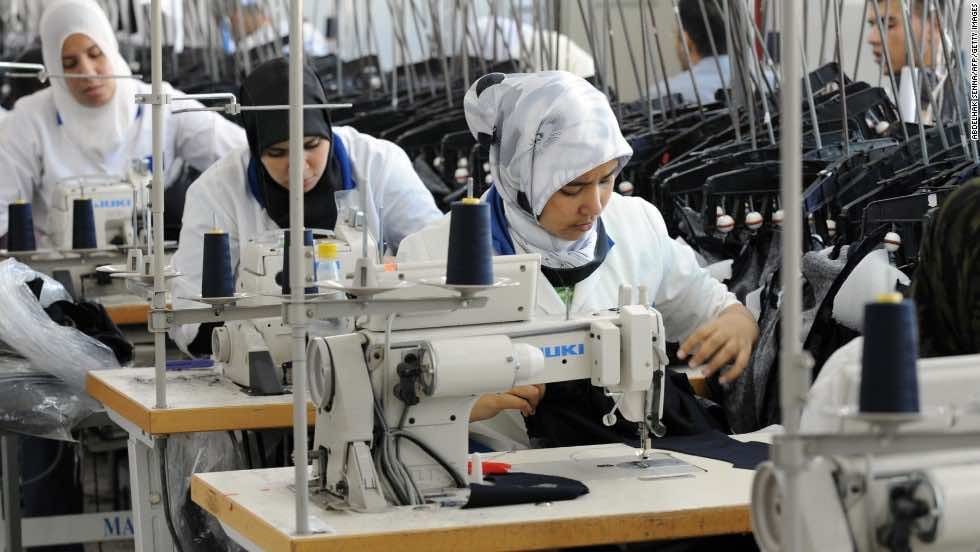
Rabat – The latest survey by Afrobarometer has revealed that Moroccans overwhelmingly view unequal pay and opportunities in the workplace as the most pressing women’s rights issue facing the North African country.
The findings reflect the significance of economic empowerment and workplace equality as key determinants of gender equality in Moroccan society, as well as highlight Moroccans’ awareness of how unequal opportunities contribute to the financial vulnerability of women.
Meanwhile, gender-based violence emerged as the second most important women’s rights issue for Moroccans, reflecting the growing awareness of the need to address this issue in Moroccan society.
While a majority (68%) of surveyed Moroccans believe that gender-based violence is “not very common” or “not at all common” in their communities, approximately three in 10 (31%) disagree.
This indicates a significant difference in perceptions, suggesting that the extent and visibility of gender-based violence may vary across different regions of the country.
One encouraging finding from the survey is that three-quarters (76%) of Moroccans firmly believe that it is “never” justified for a man to use physical force to discipline his wife, with respondents rejecting violence as a means of control within intimate relationships.
Read also: Global Gender Gap Index: Morocco Ranks 136th, Highlighting Persisting Inequality
However, the survey revealed a significant divide within Moroccan society when it comes to addressing this issue.
Approximately 48% of respondents believe that gender-based violence should be treated as a criminal matter, while 51% argue that it should remain a private matter, to be resolved within the family.
The survey also indicated that Morocco’s response to this societal issue is multifaceted, encompassing institutional, legal, and advocacy efforts. A critical milestone in this journey was the introduction of a national strategy to combat violence against women in 2002.
Subsequent legislative changes, such as the repeal of Penal Code Article 475(2) in 2014, which had permitted marriage between a rapist and his victim, and the enactment of Law 27-14 against human trafficking in 2016, have signaled progress in addressing gender-based violence in the North African country.
Meanwhile, the survey noted that the third-most pressing women’s rights issue for Moroccans is women’s absence from influential positions in the government, followed by unequal access to education in the fourth spot.