
Agadir – A Moroccan government source on Monday said the current framework for managing migration between Morocco and Europe is no longer suited to evolving realities, stressing that the country is “neither the policeman nor the concierge of Europe” but a sovereign partner whose role should not be reduced to border enforcement.
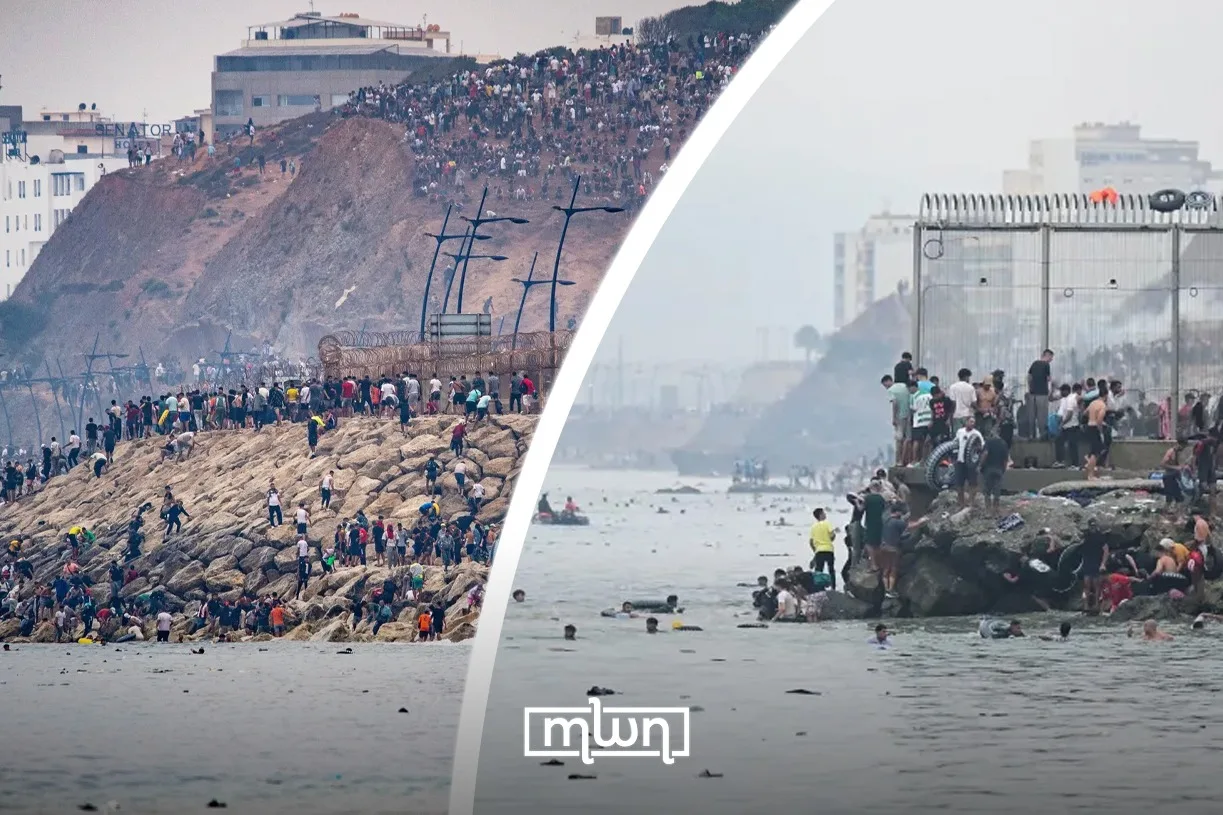
The source said the recent migration crisis in Ceuta pointed to shortcomings in the existing approach and demonstrated the need to redefine the terms of cooperation between Morocco and its European partners.
The official criticized what she described as the political exploitation of the events in Ceuta, saying the crisis was used by some actors for electoral purposes and political confrontation.
“It is disappointing to see that the events in Ceuta have been exploited for electoral gain and political score-settling,” the source explained, adding that the height of the crisis was accompanied by sensationalist media coverage, hostile rhetoric, and what she described as unfounded analyses.
The source also expressed disappointment with the reaction of some political figures, arguing that they failed to demonstrate strategic vision during the crisis.
According to the official, Morocco has concluded that “the rules of engagement must change,” emphasizing that while the country remains committed to protecting its own territory, this responsibility cannot be interpreted as acting on behalf of Europe.
“Everyone must take responsibility: Morocco is neither the policeman nor the concierge of Europe. We operate as a reliable and committed partner, within the framework of a well-understood partnership, which cannot be one-sided,” the source maintained.
Read also: In Ceuta, Resist the Temptation of Easy, Comforting, Single-Factor Responses
Moreover, the source argued that cooperation on migration should be updated by restoring political commitment, strengthening mutual trust, improving predictability, and clarifying the responsibilities of all parties.
The government source also rejected the idea that financial assistance alone can address migration challenges, saying Morocco’s policies have never been driven primarily by funding.
Morocco reiterated its long-standing position that migration cannot be addressed solely through security measures, arguing that recent developments following the Ceuta crossings illustrated the importance of economic and social development in reducing irregular migration.
The source further said that Spain reported that 95% of those who entered Ceuta had left the enclave, adding that these returns resulted from the migrants’ own decision after assessing conditions rather than from Spanish intervention.
The government source called on European partners to support Morocco’s development efforts rather than adopt measures that, in Morocco’s view, undermine key sectors of its economy.