


 Join on WhatsApp
 Join on Telegram
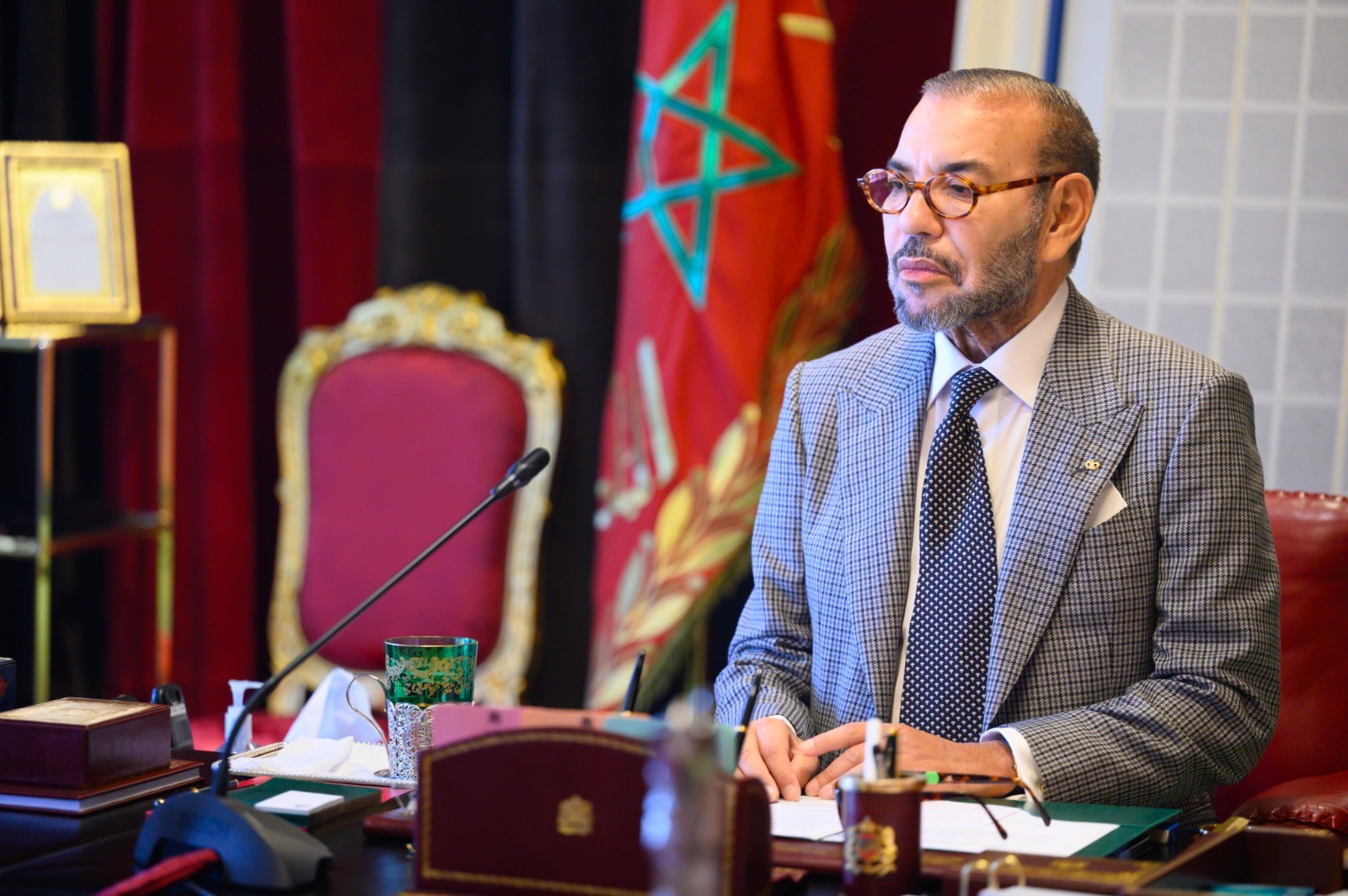
Rabat – King Mohammed VI presided over a working session at the Royal Palace of Rabat this Wednesday. The session was dedicated to the program for the reconstruction of regions affected by the Al Haouz earthquake.
Under an estimated budget of MAD 120 billion ($11.6 billion) over a period of five years, the initial version of the integrated and multi-sectoral program covers the six provinces and prefecture affected by the earthquake including Marrakech, Al Haouz, Taroudant, Chichaoua, Azilal, and Ouarzazate.
According to a statement from the Royal Palace, the program is set to benefit 4.2 million inhabitants.
The working session comes in the wake of the devastating 6.8-magnitude earthquake that struck Morocco on September 8. The earthquake left a trail of destruction and reduced hundreds of buildings to rubble, in addition to claiming nearly 3,000 lives.
Based on an assessment of needs and an analysis of territorial potential and local stakeholders, the program includes projects focused on the reconstruction of housing and upgrading of affected infrastructure.
In addition to rebuilding demolished areas, the program aims to enhance socio-economic development in the targeted areas and is structured around four main goals.
The first goal targets the relocation of displaced people, and reconstruction of housing units and infrastructure, while the second goal is to enhance connectivity and upgrade infrastructure across the affected regions. The third goal is to reduce social inequality, especially in remote areas.
The fourth goal is to promote economic activities and job creation while prioritizing local initiatives.
Under the instructions of King Mohammed VI, the program also involves establishing large essential reserve platforms to hold tents, blankets, beds, medicines, and food in each region to respond immediately to natural disasters.
During the working session, King Mohammed VI invited the government to implement the vision presented at the level of each concerned province and prefecture.
The monarch once again emphasized the importance of catering to the specific needs of local people to provide tailored solutions while giving due consideration to environmental aspects and respecting the unique heritage and traditions of each region.
He stressed the importance of exemplary governance, to ensure that the reconstruction program becomes a model of integrated and balanced territorial development.
The financing of the grand program will be provided through credits allocated from the state general budget, contributions from local authorities, and the Special Solidarity Fund dedicated to managing the effects of the earthquake, as well as through donations and international cooperation.
The Hassan II Fund, a state fund dedicated to supporting programs and projects with significant economic and social impact, will contribute MAD 2 billion ($194 million) to the financing of the program.
Attending this working meeting were a number of high profiles including Head of Government Aziz Akhannouch, Advisor of the King Fouad Ali El Himma, and the Interior Minister Abdelouafi Laftit, among others.
Read Also: King Mohammed VI Thanks UK Prime Minister for Earthquake Relief Support


