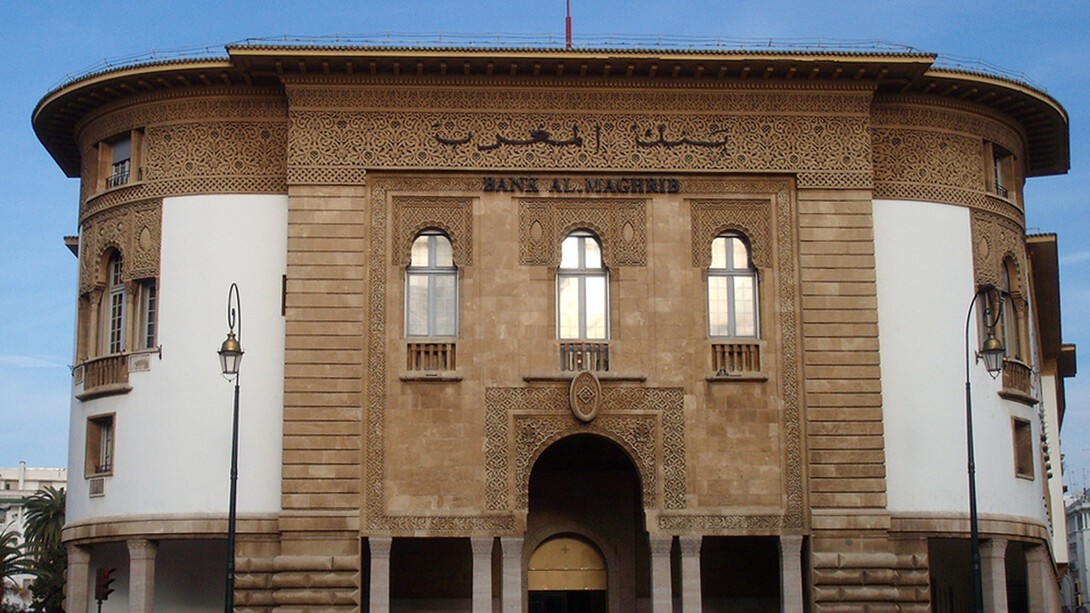
Rabat – Morocco’s Central Bank, Bank Al-Maghrib (BAM), has announced that it will adopt on January 2 a new methodology for determining the Moroccan dirham foreign exchange reference rates.
The new methodology has been developed in “consultation with banks having market-maker status, based on the recommendations of the Financial Stability Board,” BAM said in a statement on Monday.
The statement also explained the new methodology for calculating the Moroccan dirham exchange rate will be based on the principles laid down by the International Organization of Securities Commissions (IOSCO) on foreign exchange benchmarks.
The change in the bank’s methodology in calculating the Dirham exchange rate means that instead of using certain fixed prices at specific times of the day that banks agree on, the central bank will determine the rates based on actual transactions that happen between banks throughout the day.
The aim of the reform is to ensure that the dirham foreign exchange reference rates better reflect the liquidity conditions in the foreign exchange market, BAM explained in the statement. This means the change would make sure that the official rates better reflect how the real market works and how easy it is to exchange dirhams for other currencies.
Read also: High Investor Confidence in Bank Al-Maghrib Holding Interest Rates Steady
The new methodology will see rates determined based on interbank transactions carried out by market makers on the electronic trading platform from 8:30 a.m. to 3:30 p.m., instead of firm quotes in the interbank foreign exchange market displayed from 12:12 p.m. to 12:17 p.m., the statement detailed.
In addition, the statement indicated that Bank Al-Maghrib will be changing the publication time of the dirham foreign exchange reference rates from around 12:30 p.m. to around 4:15 p.m. – after the close of the interbank foreign exchange market.
BAM further stressed that the dirham foreign exchange reference rates are mainly to be used for “the revaluation of assets and liabilities denominated in foreign currencies and are not intended to be used, neither directly nor indirectly, as a reference when making foreign exchange transactions.”
In other words, the new rates are not meant to be used as a strict guide for regular people who want to exchange money at the bank or while traveling.
The Moroccan central bank concluded its statement by inviting those interested to review the full methodology which is published on the bank’s website.