 Join on WhatsApp
 Join on Telegram
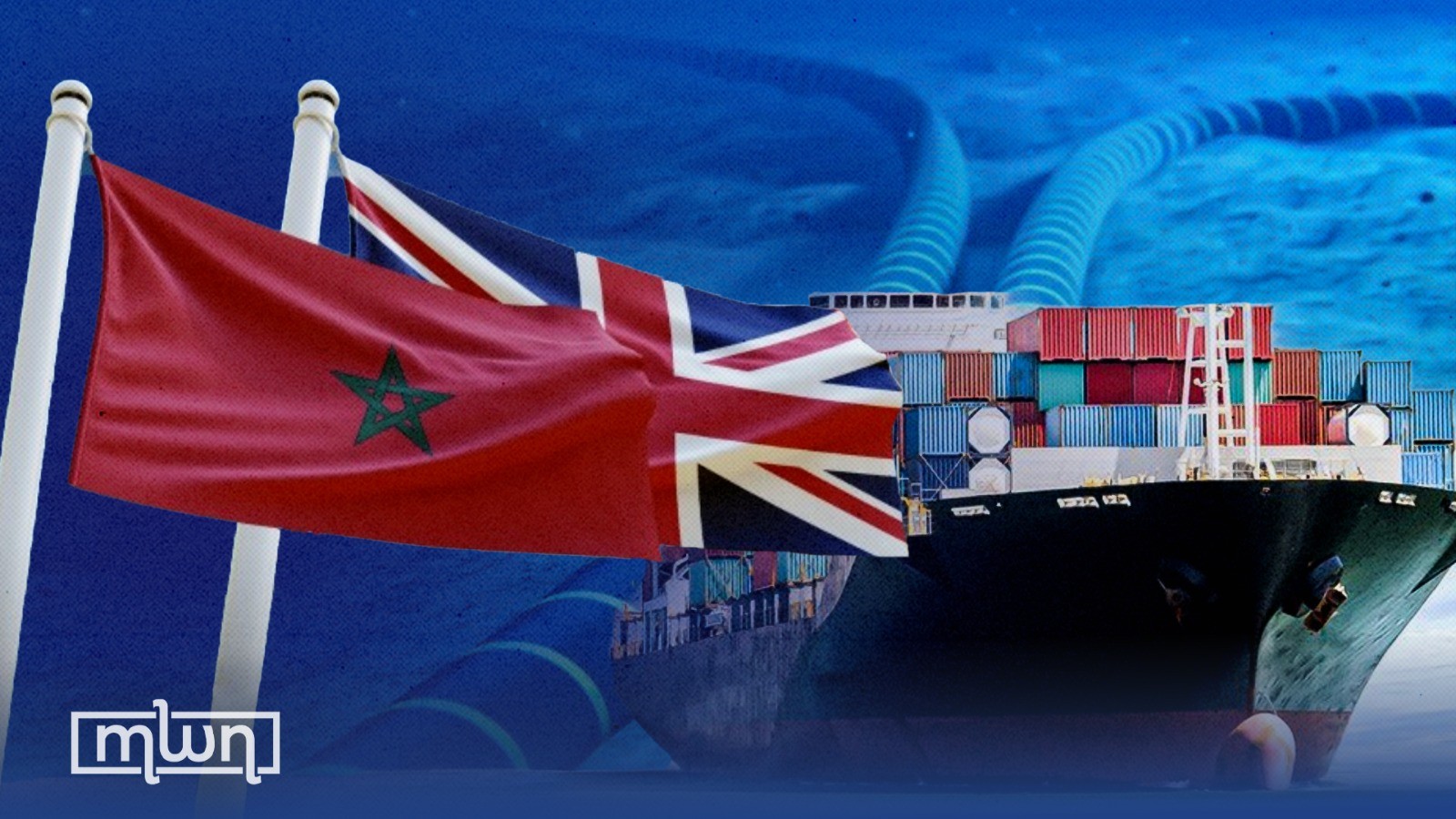
Rabat – A new report by the Institute For Free Trade (IFT) outlines proposals to significantly deepen economic and trade relations between the UK and Morocco. Drafted by leading trade expert Shanker Singham, the report argues that Brexit provides a unique opportunity to renew and strengthen the long-standing British-Moroccan ties.
Spanning over 800 years, the partnership between the two kingdoms is one of Britain’s oldest. Yet UK exports to Morocco remain low and stagnant, missing out on opportunities in sectors like aerospace, automotive and agriculture, says the report.
The report highlights Morocco’s ambitious infrastructure developments, including the state-of-the-art Tanger Med port complex, positioning it as an increasingly vital trade and logistics hub between Europe and Africa. With preferential EU access and burgeoning manufacturing capabilities, there is scope for British firms to tap into established Moroccan industries and value chains.
It advocates maximizing existing economic zones in Morocco to expedite bilateral trade flows. The Universal Postal Union is developing an innovative postal prosperity zone in Morocco focused on e-commerce shipments from Asia, which could integrate with UK routes. A proposed digital trade corridor utilizing electronic customs clearance could also slash red tape.
According to the report, upgrading the current UK-Morocco Association Agreement is central to unlocking mutual gains. Streamlining cumbersome sanitary and phytosanitary measures would enable greater agricultural trade. Similarly, aligning regulations and standards by mutual recognition of underlying technical requirements could stimulate UK investments.
Throughout the report, Singham argues that many barriers hampering British-Moroccan commerce could be eliminated swiftly without legislation or formal FTA negotiations. For instance, the report urges removing seasonal tariff-rate quotas on out-of-season Moroccan tomatoes to alleviate UK supply shortages.
Likewise, granting Moroccan business travelers visa-free access and establishing a joint UK-Morocco business council could facilitate valuable commercial partnerships. The report details proposed legal text for a modernized Association Agreement spanning key areas like trade facilitation, e-commerce, investment protections and regulatory coherence.
Seizing current opportunities
With Morocco aggressively courting British partners since Brexit, the analysis recommends seizing current opportunities. The scheduled UK-Africa Investment Summit in 2024 could spotlight promising Moroccan ventures, given the country’s bridgehead status into the wider African market.
The report also highlights opportunities in Morocco’s expanding automotive and aerospace sectors, where integration with international supply chains offers prospects for UK firms. Collaboration on renewable energy infrastructure likewise promises mutual gains.
Singham notes that removing trade barriers could significantly increase UK imports of affordable Moroccan agricultural produce like tomatoes and oranges. He also argues that strengthening economic ties with Morocco advances the UK’s aims of diversifying its supply chain and reducing over-reliance on Europe.
The report advocates innovative provisions to ensure fair competition involving state-owned Moroccan enterprises, guarding against domestic subsidies and pricing distortions. It also calls for visas and export financing to include Western Sahara following recent a UK court ruling which “implicitly supports” Morocco’s territorial integrity.
In this regard, the report highlights Morocco’s extensive investment plans for the Western Sahara region in recent years. Initiated by King Mohammed VI in 2015, the New Development Model for the Southern Provinces aims to spur socio-economic growth there through trade and private sector initiatives rather than aid grants.
Encompassing over 700 projects, the $8 billion scheme represents nearly 10% of Morocco’s GDP. The goal is to lift Western Saharan GDP from $988 million currently to $2.2 billion by 2025. This substantial budget targets massive infrastructure expansion and developmental upgrades.
Singham’s call to integrate Western Sahara into normalized UK-Moroccan economic ties aligns with growing political support for Morocco’s sovereignty. Recently, the President of IFT and senior UK lawmaker Lord Daniel Hannan joined the chorus of British politicians urging their government to recognize Morocco’s sovereignty over its southern provinces in Western Sahara.
Read also: UK, Morocco to Expand Bilateral Ties Through Infrastructure Cooperation