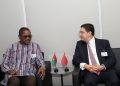
Rabat – With a view to strengthening bilateral cooperation with Morocco, the Infrastructure and Projects Authority (IPA), the UK government agency responsible for infrastructure and major projects, has been on a high-profile visit to the North African country since February 19.
In charge of the mission is Deputy Head of International at the IPA Javier Encinas, who revealed to Morocco World News (MWN) in an interview that the delegation wants to have a deeper understanding of the goals and objectives of the Moroccan government.
“We want to better understand the ambitions and priorities of the government of Morocco,” Encinas said of the primary objective of the UK delegation’s visit.
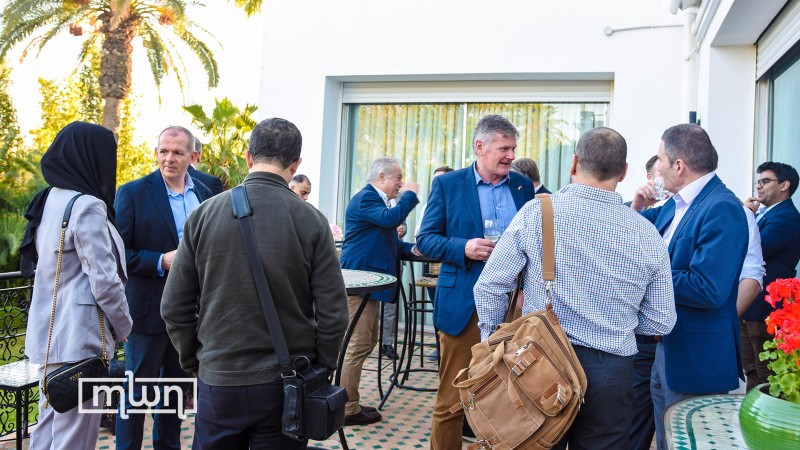
At the British residency in Rabat
According to a press release issued on February 21, this visit’s main goal was also to enable the sharing of knowledge on infrastructure and large-scale project development.
IPA program for better infrastructure
The same source added that the delegation’ schedule during the visit included bilateral discussions on February 19 and 20 with relevant Moroccan ministries and agencies in charge of large-scale initiatives.
As such, the IPA hopes to benefit from the meetings by having a better understanding of the country’s priorities, challenges, and prospects for the construction of affordable, environmentally friendly, and socially inclusive infrastructure.
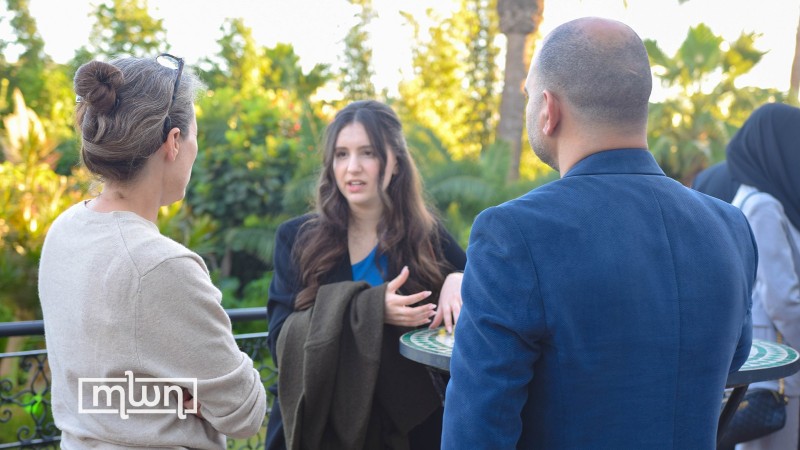
Networking
“We have met with different ministries and different agencies in charge of the development of infrastructure,” the British representative stated, stressing that the delegation “met with the ministry of finance, the ministry of budget, the ministry of equipment and water, ONCF, and different authorities.”
A key part of the IPA delegation’s visit was the organization of a three-day workshop from February 21 to 23 with leaders from several government agencies.
Commenting on the workshop, which was co-hosted by the Moroccan Ministry of Finance, Encinas said that by the end of the week the delegation hoped to have developed a shared understanding of the best practices and lessons that the UK can share with Moroccan government, industry and academia.
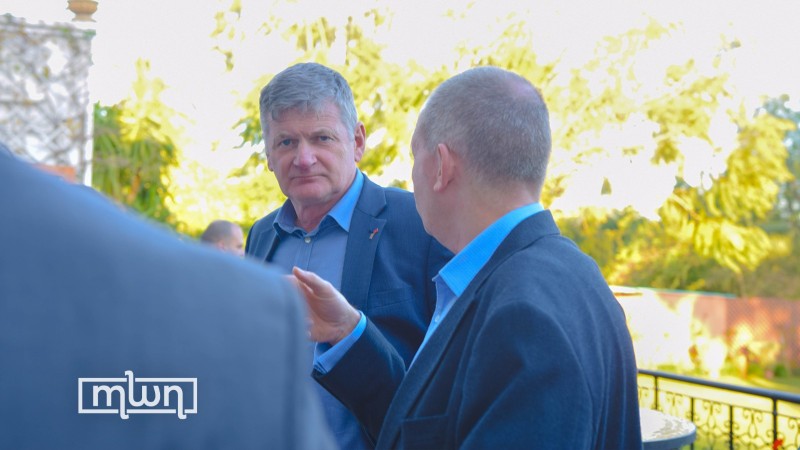
British representatives in attendance
In addition to discussing the UK’s approach to infrastructure development, the workshop covered the lessons learned from over two decades of experience with Infrastructure Projects in Africa, Infrastructure South Africa, and the expansion of Heathrow Airport.
A key purpose of the visit was to explore UK best practices in attracting capital and expertise from the private to the public sector, with a particular focus on developing and implementing a long-term infrastructure development strategy.
“We want to share best practices and the lessons learned from the UK in terms of infrastructure planning, financing, and management,” Encinas said, highlighting the UK’s continuous support for stronger bilateral collaboration and knowledge exchange, which is the foundation of this visit.
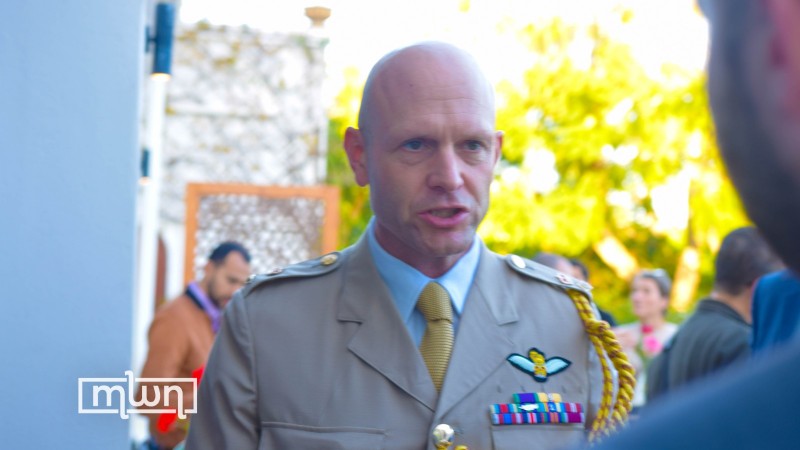
People from the UK delegation
The IPA is crucial to the effective completion of many large projects in the UK, including military and IT as well as homes, schools, hospitals, and railroads.
Morocco’s hosting of major events
With Morocco hosting the Africa Cup of Nations (AFCON) in 2025 and the World Cup in 2030 with Spain and Portugal, Encinas expressed the UK’s ambitious plan to work with the country and be its key partner in the development of infrastructure.
“We are all very excited about the fact that you will be hosting the African cup and the FIFA World Cup in 2030. So we want to be part of that journey,” he enthused, adding that the two major football tournaments will certainly have an impact on the timely completion of Morocco’s infrastructure needs.

Networking involved different nationalities
This is a chance for the UK to share the lessons learned during the 2012 London Olympic Games and the Commonwealth Games, but “we know that the games are just one part of the bigger picture,” he stated.
Toward the end of his interview with MWN, Encinas revealed that the UK is considering the drafting of a memorandum of understanding with Morocco’s finance ministry, which they hope could lead to the conclusion of a more significant, concrete agreement on infrastructure development with the Moroccan government.
However, “all depends on discussions and mutual understanding of what we all want to achieve,” he concluded.
Read also: Chevening Scholars Return to Forge Brighter Future for UK-Morocco Ties