 Join on WhatsApp
 Join on Telegram
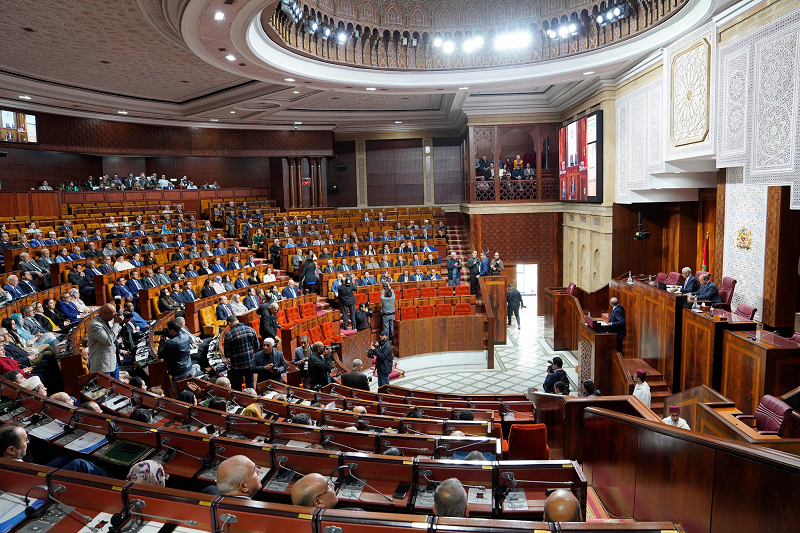
Rabat – As the Moroccan parliament prepares to reconvene for its spring session, the stage is set for a dynamic showdown between political factions vying for power and influence.
Against a backdrop of pressing social, economic, and political challenges, lawmakers face the daunting task of balancing political agendas with the urgent needs of the Moroccan people.
At the forefront of the agenda is the evaluation of the government’s midterm performance—a critical moment that not only shapes the trajectory of governance but also reflects the maturity of Moroccan democracy.
The presentation of the government’s report is not merely a constitutional formality but a pivotal opportunity for transparency and accountability.
However, amidst the political posturing and maneuvering for control, there lies a deeper commitment to prioritizing the welfare of citizens.
Lawmakers are tasked with drafting legislation that addresses the tangible concerns of everyday Moroccans, from social protection initiatives to education and healthcare reforms.
Key to this session is the contentious issue of the right to strike—a topic that ignites passionate debate and exposes underlying tensions between labor rights and economic stability.
As lawmakers grapple with finding common ground, the voices of workers and unions echo through the hallowed halls of parliament, demanding their fair share of rights and protections.
Yet, beyond the political theatrics, there exists a shared responsibility among parliamentarians to rise above partisan divides and focus on the common good.
Mohamed Ghayate, leading the charge for the majority government, emphasizes the imperative of effective governance in the face of daunting challenges.
On the opposition front, Rachid Hamouni advocates for a “frank and constructive” dialogue—a sentiment echoed by many who believe that meaningful progress can only be achieved through collaboration and consensus-building.
As the session unfolds, the eyes of the nation turn to the halls of parliament, where the fate of crucial legislative measures hangs in the balance.
From the draft code of civil procedure to ethics in parliamentary life, each piece of legislation represents a step towards a more just and equitable society.