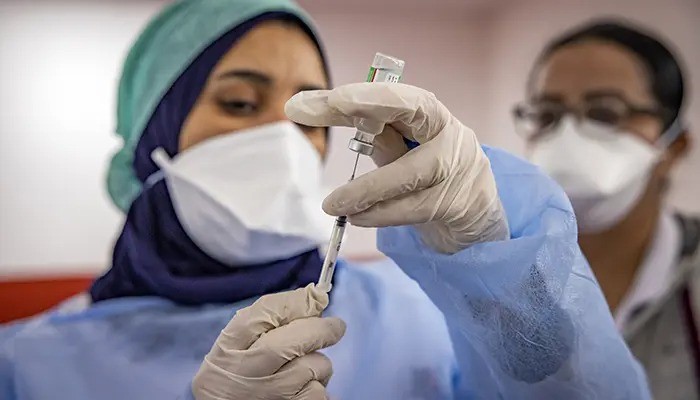
Doha – A recent report by CEOWORLD magazine has ranked Morocco 45th out of 193 countries in terms of the need for more nurses and midwives per 10,000 population. The report sheds light on the global disparities in healthcare access and the critical role that nurses and midwives play in providing essential care, particularly in rural areas.
According to the CEOWORLD report, Morocco has 13.91 nurses and midwives per 10,000 people, placing it among the countries most in need of these healthcare professionals.
While this figure is higher than that of many African countries, such as Somalia (1.13), Cameroon (1.93), and Chad (1.98), which have less than two nurses or midwives per 10,000 people, it still highlights the need for Morocco to invest in its nursing and midwifery workforce.
Morocco also lags behind other Arab countries, such as Syria (14.19), Algeria (15.59), Egypt (18.27), Lebanon (19.29), Iraq (22.56), Bahrain (23.46), Tunisia (24.33), Jordan (31.6), Saudi Arabia (56.05), Kuwait (45.87), United Arab Emirates (63.57), Libya (67.38), and Qatar (72.36), indicating a need for improvement in this area.
The report stresses the crucial role that nurses and midwives play in healthcare, especially in rural areas where they are often the sole medical support available. “Doctors are more expensive and tend to be located in urban areas. Without nurses and midwives, it would be much harder to combat contagious and vaccine-preventable diseases like measles, tuberculosis, malaria, and HIV/AIDS,” states the report.
Read also: Minister of Equipment: Up to 700 Doctors Migrate from Morocco Annually
It also highlights the broader impact of nurses and midwives on global public health, beyond just treating diseases. “These professionals provide early screening, prevention, and treatment to those who would otherwise have no access to healthcare. Their contribution to improving global public health extends beyond just treating diseases. They also help improve maternal and newborn health,” the report notes.
The countries with the highest density of nurses and midwives per 10,000 population are primarily European, with Finland (223.2), Sweden (215.9), and Monaco (208.3) topping the list. The United States ranks 183rd with 124.7 nurses and midwives per 10,000 people, while the United Kingdom ranks 163rd with 91.67.
At the other end of the spectrum, 35 countries have less than one nurse or midwife per 1,000 people, according to the report. Somalia, Cameroon, Chad, Sierra Leone, Niger, Central African Republic, Equatorial Guinea, Benin, and Madagascar are among the countries with the lowest density of nurses and midwives, with less than three per 10,000 people.
Read also: Nurses Rally in Rabat Demanding Better Pay, Working Conditions
The CEOWORLD report underscores the urgent need for countries, including Morocco, to invest in their nursing and midwifery workforce to improve access to healthcare and achieve better health outcomes.
Last January, Moroccan nurses and health technicians announced a series of protests dubbed “Al Indifaa Al Akhir” or “The Last Offensive.” They demanded improved working conditions and a substantial salary increase of MAD 3,000 for nurses, who have not received a raise since 2006.
As part of this “last offensive,” the Independent Union of Moroccan Nurses and Health Technicians planned various demonstrations, including sit-ins, strikes, and marches, to pressure the government to address their concerns.
As their demands received no response from the government, the union continued to press forward with their demands by announcing last month a 72-hour nationwide strike from March 26 to 28, alongside regional protests, marches, and sit-ins.
The union denounced what they described as the government’s evasion tactics regarding pending issues within the healthcare sector, including the suppression of peaceful protests, the abrupt transfer of healthcare institutions to the private sector, and the unilateral passing of Ministerial Decision No. 2808.23, which impacts the classification of medical professions.
The unrest in the Moroccan healthcare sector has also extended to medical students, who have organized several protests in Rabat, objecting to the reduction of the medical education period from seven to six years without accompanying measures.
The government is facing increased pressure to address the concerns of health professionals and medical students alike, with the latter continuing to boycott classes, training, and exams across Morocco.