 Join on WhatsApp
 Join on Telegram
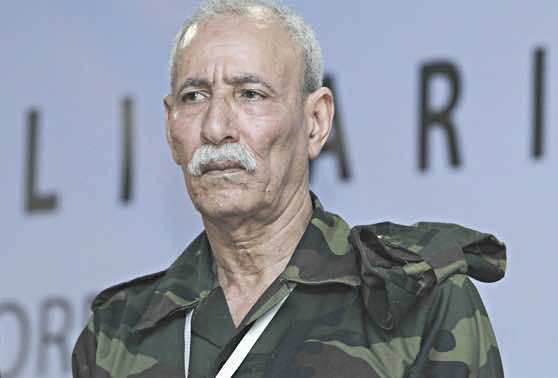
Rabat – The Polisario Front has suffered a new setback after the Swiss government refuted its claims of official representation at the UN Geneva Office and Federal Council. Switzerland swiftly refuted Polisario’s allegations in a verbal note addressed to the embassy of Morocco in Bern, Morocco’s official news agency MAP reported on Tuesday.
There is no “official representation of the Polisario Front either at the United Nations Office in Geneva or with the Federal Council (Swiss Government),” the Swiss Federal Department stressed in a verbal note to the Moroccan embassy
The forceful tone of the Swiss statement indicated that despite its claims to the contrary, the separatist Polisario Front has no valid diplomatic representation in Switzerland. This means the separatist group’s self-proclaimed delegation in Geneva does not enjoy the rights and privileges of a legally acknowledged diplomatic mission, the MAP reported underlined.
According to the report, the Swiss government has even urged the Polisario’s self-styled Geneva delegation to refrain from using designations and titles that would suggest it is an official diplomatic mission.
This comes as a major, morale-sapping blow amid repeated attempts by the Polisario leadership and the Algerian regime to present the separatist group as a legitimate representative of the “Sahrawi cause.”
Last March, the Advocate General of the European Court of Justice, Tamara Capeta, also forcefully challenged the separatist group’s claims of being the legitimate representative of Sahrawis.
In an opinion directed to the EU top court, Capeta emphasized that thePolisario Front does not have legitimacy or capacity to conclude any agreements covering the southern provinces in Morocco’s Western Sahara.
Polisario has never been elected by the population and therefore it is impossible to determine with certainty if the Polisario “enjoys the support of the majority,” she stressed.
The separatist group has never been granted any status of being a national liberation movement by either the UN, the EU, or their member states, Capeta recalled, adding: “With no elected or collectively recognised representative, how can those people defend their collective right to self-determination before the EU Courts?”