 Join on WhatsApp
 Join on Telegram
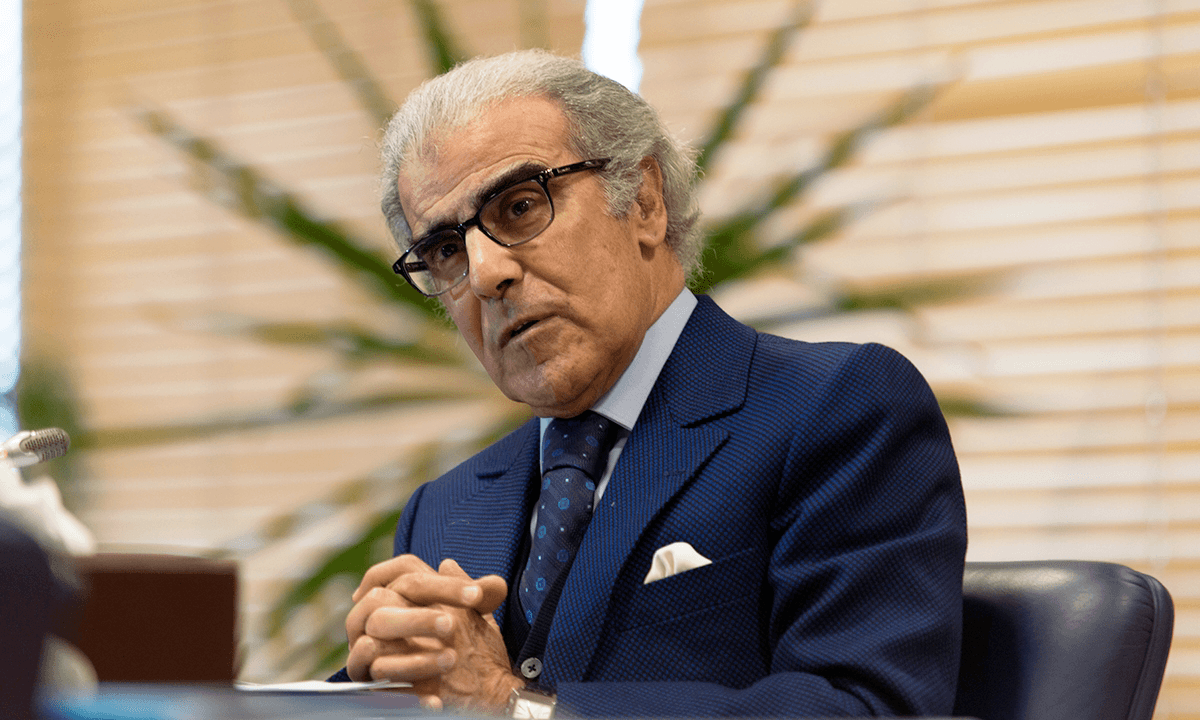
Rabat – Despite several positive indicators, Morocco is not yet prepared to transition to a flexible exchange rate regime, according to Bank Al-Maghrib Governor Abdellatif Jouahri.
Speaking at a press conference on Tuesday, Jouahri emphasized that while macroeconomic conditions appear favorable, the readiness of the nation’s economic operators is still lacking.
A fixed exchange rate means that Morocco’s central bank had control over the rate of the dirham to other currencies, and could oversee macroeconomic stability.
The country’s move to adopt a flexible exchange rate is in line with the state strategy to liberalize the economy and make it more open. However, adopting a flexible exchange rate means a currency is highly exposed to fluctuating supply and demand.
The country’s move to adopt a flexible exchange rate is in line with the state strategy to liberalize the economy and make it more open. However, adopting a flexible exchange rate means the currency is highly exposed to fluctuating supply and demand.
Jouahri noted that Morocco has made significant progress on several fronts, including budget balance, foreign exchange reserves, and the robustness of the banking system
The improvements signal the green light for considering a more flexible exchange rate. “We have quite a few green lights. Indeed, the budget balance, the level of foreign exchange reserves, the banking system, all of that is there,” he said.
However, Jouahri highlighted a critical issue hindering Morocco’s plan to advance with the flexible exchange regime; Morocco’s small and medium-sized enterprises (SMEs) are not well-equipped to adapt to the complexities of a flexible exchange rate system.
Morocco first initiated the voluntary and gradual transition from a fixed to a more flexible exchange rate regime in January 2018. Following that decision, the dirham’s fluctuation band went from ±0.3% to ±2.5%, before reaching 5% in 2020.
“The fabric is mainly composed of SMEs. When you change, when you migrate from one anchor point to another… it means that likely, to defend the external value of the dirham, you will have to change more often the central bank’s policy rate,” he explained.
According to the top Moroccan banker, the shift would necessitate frequent adjustments in interest rates by banks, which would then impact their customers.
Jouahri questioned whether Moroccan businesses are equipped to handle such rapid changes. “Do you believe that the fabric or the companies are capable, themselves, of adapting quickly and having the means to adapt to this new way of doing things?” he asked at the briefing.
He expressed concerns about businesses’ ability to recalculate costs, prices, and selling strategies in response to fluctuating exchange rates.
To address the limitations, Bank Al-Maghrib has initiated a regional tour aimed at supporting SMEs and enhancing their capacity to manage exchange rate risks.
The central bank is working with the Exchange Office to expand and improve the range of exchange rate hedging options available to businesses.
Jouahri noted the importance of these efforts, saying that the central bank is “reviewing the entire range of exchange rate hedging, not only what exists, but how we can further spread the exchange rate risk coverage for these companies.”
Despite the macroeconomic readiness, Jouahri stressed the need for an accompanying policy to ensure that businesses can adapt effectively. “All of that is the accompaniment. And as long as we don’t have that, I will hesitate to make the leap,” he stated.
Jouahri also addressed the issue of public and private sector credit in his remarks. He clarified that while some loans given to public companies can skew overall credit statistics, measures are being taken to manage this effectively.
He mentioned recent budgetary allocations aimed at repaying parts of the bank loans granted to public enterprises.
The governor’s cautious stance reflects a broader concern about ensuring that Morocco’s economic infrastructure is fully prepared for the potential volatility associated with a flexible exchange rate.
“On a macroeconomic level, for the moment, knock on wood, we have the green lights. But, I say but, our operators, who will be subject to the changes you will intervene with, must be able to adapt to these changes,” Jouahri reckoned.
Read Also: Morocco’s Central Bank Forms Committee to Tackle Cash Circulation Surge