
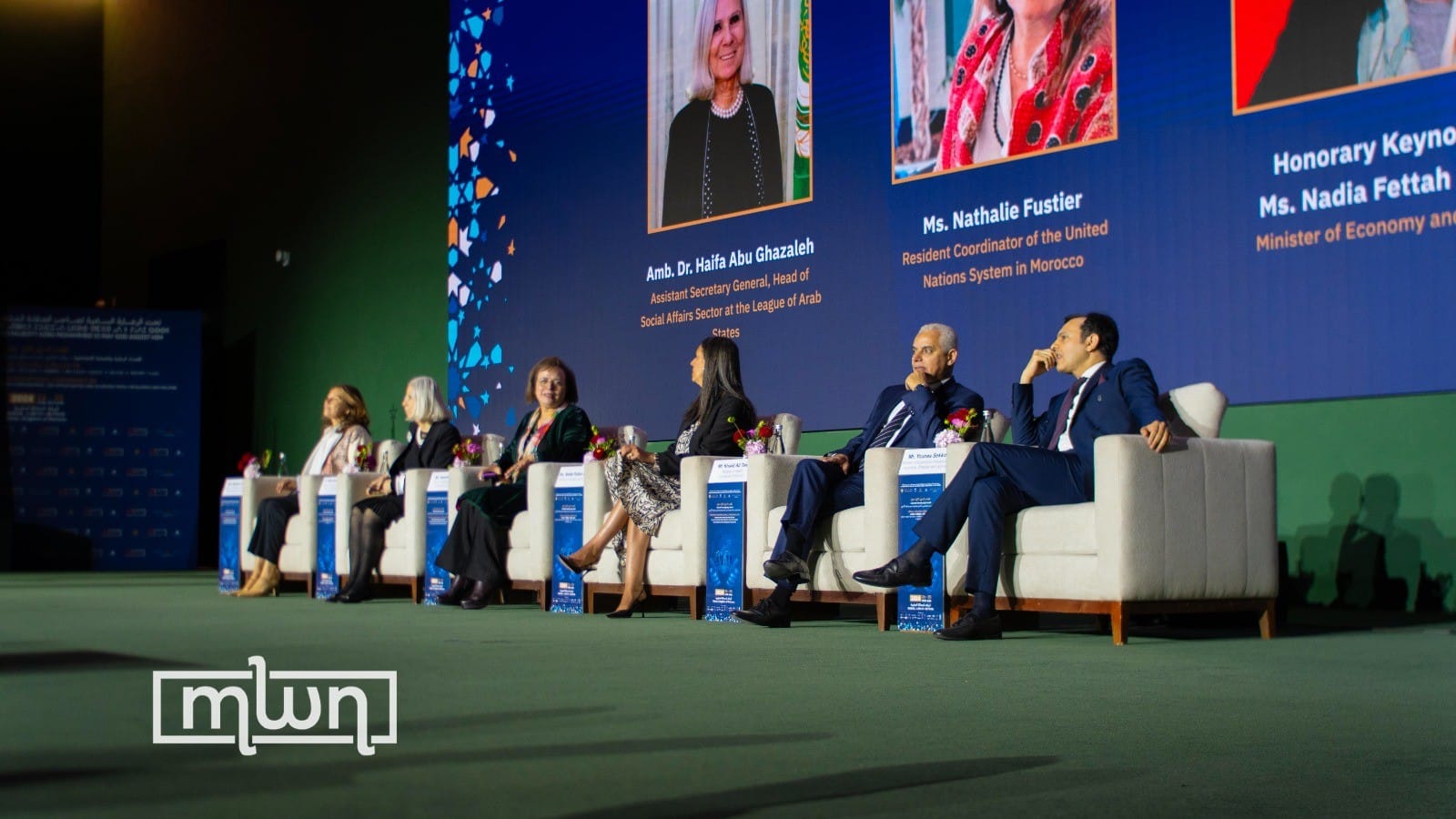
Rabat – The University Mohammed VI Polytechnic of Sale (UM6P) hosted today a pivotal conference on advancing social protection and creating a robust care economy in Morocco.
The event brought together influential voices from academia, government, and civil society to discuss strategies for creating a more inclusive and equitable society.
The opening session kicked off with insights from Bouchra Rahmouni, Director of Social Innovation at UM6P, who underscored the university’s commitment to bridging the gap between research and policy implementation.
She emphasized UM6P’s focus on essential sectors like education, employment, healthcare, youth, and climate change, highlighting their role in driving societal progress.

Following Rahmouni’s address, Aawatif Hayar, Minister of Social Solidarity, expressed gratitude to all participants and emphasized the importance of collaborative efforts in shaping Morocco’s care economy, while articulating a vision for inclusivity and equity.
“An important number of international participation: 15 ministers from Africa, Arab Countries, Asia. Experts from worldwide also,” Hayar told Morocco World News on the sidelines of the event, emphasizing that the conference had 1000 registered participants.
The minister drew inspiration from King Mohammed VI’s speeches, particularly noting his 2020 Throne Speech where he championed social justice as a cornerstone of Moroccan citizenship.
Read also: UM6P: The Intellectual Front of Morocco’s Commitment to Africa
She also referenced the King’s 2023 parliamentary address in which he reaffirmed the central role of the family in Moroccan societal structure.

Khalid Ait Taleb, Minister of Health and Social Protection, underscored the health sector’s critical role in advancing social progress.
He called upon stakeholders to actively contribute to the social and economic national roadmap, pledging his ministry’s full commitment to supporting initiatives that bolster the care economy and promote inclusive growth.
In his keynote speech, Economic Inclusion Minister Younes Sekkouri outlined a new social contract aimed at solidifying Morocco’s commitment to its citizens through robust social protections and equitable access to public services.
He underscored three foundational pillars that form the backbone of this vision: comprehensive social protections, accessible public services, and expanded opportunities within the job market.
Highlighting the critical role of women in economic revitalization, Sekkouri advocated for their increased participation in the labor market. Promoting gender equality not only increases economic productivity, but also fosters greater social cohesion, the minister argued.
“This new roadmap requires legislative reforms,” Sekkouri stated, emphasizing the need for legal frameworks that support and protect all citizens, especially in terms of employment rights and social benefits.
He stressed the urgency of fortifying legislation to ensure that both men and women have access to decent jobs, which he described as fundamental to achieving a dignified standard of living.
He also articulated a commitment to enacting policies that prioritize job creation and ensure fair labor practices, thereby laying the groundwork for sustainable economic growth and inclusive development.
Haifa Abu Ghazaleh, Assistant Secretary General and Head of Social Affairs Sector at the League of Arab States, emphasized the need for sustainability and continuity in achieving resilience within Moroccan society.
Economic inclusion fosters stability
She urged for concerted actions from all stakeholders to bolster economic inclusion and strengthen social protections, emphasizing their role in fostering stability and sustainable development.
Nadia Fettah, Minister of Economy and Finance, outlined four disruptions that underscored the urgency of prioritizing the care economy in Morocco.
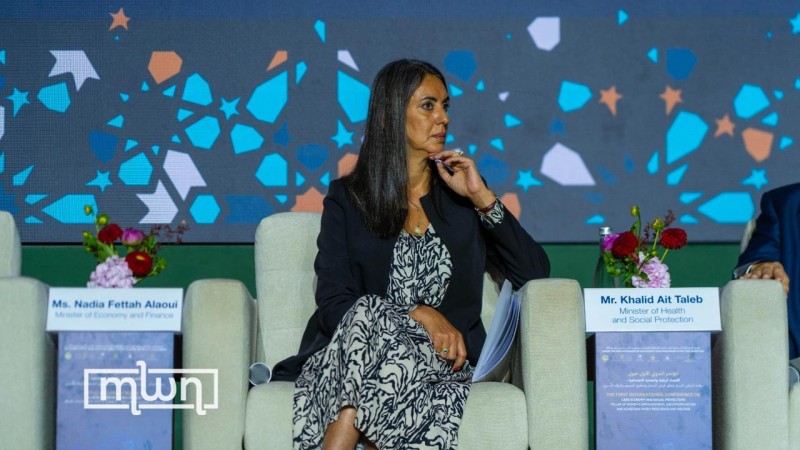
These disruptions include accelerating the social state through initiatives like universal medical coverage and enhanced social protections, creating job opportunities, navigating demographic transitions with an aging population, and adapting to new paradigms of work.
“To achieve these goals,” Fettah stated, “four essential prerequisites must be met.”
She presented a comprehensive plan that encompasses public-private partnerships (PPPs) aimed at building trust and cooperation, specific regulatory measures to protect stakeholders, incentives tailored to encourage participation, as well as targeted financial solutions and advanced financial mechanisms.
Additionally, she emphasized the importance of specialized training programs aimed at enhancing skills development to meet evolving economic demands.
The convergence of efforts from diverse stakeholders, as advocated by all speakers, signals a unified commitment
towards sustainable development in Morocco, she concluded.

The panelists’ shared vision of leveraging the care economy and robust social protections as catalysts for economic growth resonated throughout the conference, inspiring a collective determination to translate vision into action.
As Morocco continues on its path towards sustainable development, the insights and commitments articulated at the conference are poised to drive meaningful change, solidifying the nation’s position as a beacon of progress in the region and beyond.