 Join on WhatsApp
 Join on Telegram
With the conclusion of the Paris 2024 Olympic Games, many headlines are focusing on which countries took home the most medals.
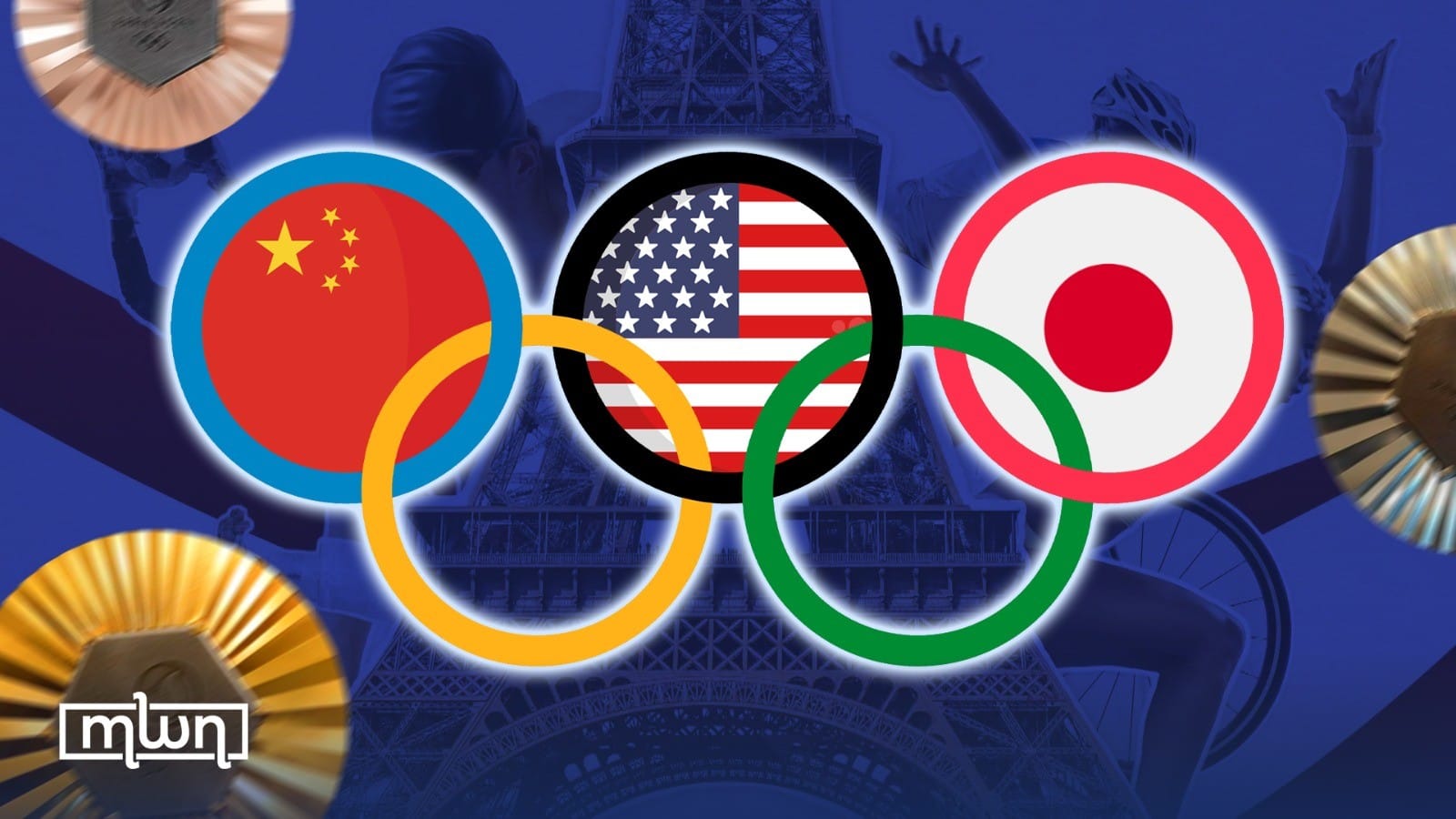
The United States topped the medal tally with 40 golds and a total of 126 medals, followed by China with 91 medals, and Japan with 45.
These results highlight the intricate link between a nation’s economic development, sports infrastructure, and financial inclusion, which together create a foundation for sustained athletic success on the global stage.Economic strength plays a crucial role in a country’s sports achievements.
Nations like the United States have heavily invested in their sports infrastructure, creating extensive support systems that include high-quality training facilities, experienced coaches, and robust medical care.
The U.S. college sports system, which integrates athletics with education, serves as a prime example of how countries can cultivate talent from a young age. This system ensures that athletes not only receive top-tier training but also a well-rounded education, preparing them for life both within and beyond the sports arena.
China’s approach, marked by state-driven initiatives and substantial financial rewards, also proves effective. Chinese athletes often begin their training in specialized sports schools from a young age, where they receive rigorous coaching and support.
This model has yielded significant results, securing China’s place as a global sports powerhouse, as evidenced by their second-place finish in the Paris 2024 medal rankings.
Japan, continuing its momentum from hosting the Tokyo Olympics, has strategically invested in sports where it has a competitive edge, such as judo and wrestling. These targeted investments have helped Japan maintain a strong presence among the top-ranking nations at the Olympics.
Beyond economic investment, financial inclusion is key to ensuring broad participation in sports. Countries with inclusive financial systems provide opportunities for children from all social classes to engage in sports, allowing for a broader base of talent to emerge. This inclusivity is crucial for identifying and nurturing young athletes who might otherwise be overlooked due to financial constraints.
For nations aiming to improve their global sports ranking, especially in the Olympics, a focus on grassroots development is essential. Early talent identification and nurturing programs should be established in schools nationwide, ensuring that promising athletes are supported regardless of their socioeconomic background.
Scholarships, sponsorships, and financial assistance should be made available to talented athletes from underprivileged backgrounds, ensuring that financial barriers do not impede their progress.Governments should also prioritize investment in community-level sports infrastructure, providing access to high-quality facilities and coaching for all children, regardless of where they live.
This approach, as seen in countries like Norway, which emphasizes the intrinsic value of sports for personal development and community cohesion, offers a balanced model for achieving both excellence and broader social goals.
The path to improving a country’s standing in global sports competitions lies in a holistic approach that integrates economic investment, educational systems, and financial inclusion.
By focusing on these areas, nations can build a strong foundation for sports development, ensuring they can compete successfully on the world stage while also contributing to broader economic and social development.
Congratulations to all the athletes who have brought home medals for their countries.
These achievements are not just about the number of medals won but about the individual stories of each athlete—stories of dedication, perseverance, and triumph from different corners of the world. These athletes, representing diverse cultures, faiths, and backgrounds, have shown that through sports, we celebrate the human spirit and the unity that binds us all.