


 Join on WhatsApp
  Join on Telegram
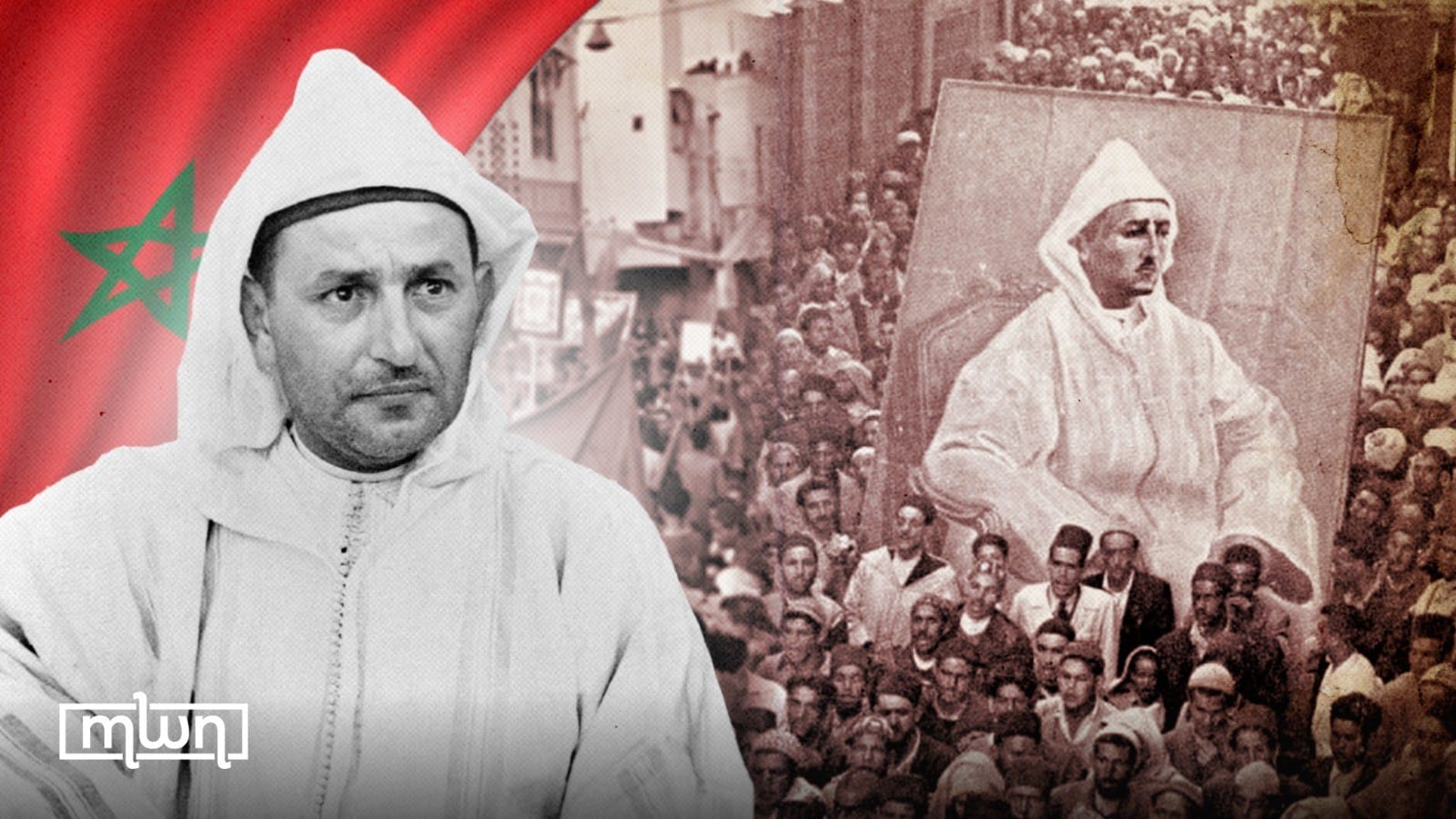
 Rabat – Morocco celebrates today the 71st anniversary of the Revolution of the King and the People, an occasion that commemorates a key period in the country’s fight for independence and democratic reform.
The Revolution of the King and the People is deeply rooted in Morocco’s struggle against colonial rule. The 20th century saw Morocco under French and Spanish protectorates, with the French holding significant influence over the country’s political and economic life. As the impact of colonial rule was profound, it led to widespread discontent among Moroccans who yearned for sovereignty and self-determination.
In the early 1950s, Morocco’s quest for independence gained momentum. The country’s struggle was marked by a series of political and social upheavals, with a growing demand for national sovereignty and reform. The Moroccan nationalist movement, led by figures such as Sultan Mohammed V and prominent political leaders, played a crucial role in mobilizing public support and challenging colonial authorities.
The revolution unfolds
The Revolution of the King and the People is specifically linked to the events of August 20, 1953. On this date, Sultan Mohammed V, who had become a symbol of national unity and resistance, was exiled by the French authorities to Corsica and later Madagascar.
French authorities did so believing that removing him would quell the growing nationalist sentiment. This act, which was meant to weaken Moroccan resolve and disrupt the strong bond between the monarchy and the people, sparked widespread outrage and resistance across the country.
The Moroccan people rallied against colonial rule and in support of their exiled monarch, with the ensuing months seeing intense political activism and civil unrest. The Moroccan resistance continued to challenge French control, eventually leading to the return of Sultan Mohammed V in 1955. This moment paved the way for Morocco’s independence, formally achieved on March 2, 1956.
The Revolution of the King and the People holds immense significance for Morocco’s national identity and historical narrative. It represents a key chapter in the country’s journey towards sovereignty and self-governance. The events of August 20, 1953, are commemorated annually as a reminder of the sacrifices made by those who fought for the country’s freedom.
In modern-dayMorocco, the anniversary is an occasion for national reflection and celebration. It is a day to honor the legacy of Sultan Mohammed V and the collective struggle of the Moroccan people.
Read also: Why Moroccans Celebrate ‘the Revolution of the King and the People’
In addition, the Revolution of the King and the People has had a lasting impact on Morocco’s political landscape. The post-independence era saw the establishment of a constitutional monarchy, with King Mohammed V and his successors playing pivotal roles in shaping Morocco’s governance and development.
This year’s commemoration of the Revolution of the King and the People is particularly significant as it coincides with recent diplomatic achievements, including the international recognition Morocco has gained for its sovereignty over Western Sahara.
On July 30, France officially announced its recognition of Morocco’s sovereignty over its southern provinces in Western Sahara. French President Emmanuel Macron sent a letter to King Mohammed VI conveying his country’s new stance.
“The present and the future of Western Sahara fall within the framework of Moroccan sovereignty,” Macron said in the letter. He stressed that France’s position on the matter remains “consistent and unwavering” and in line with the autonomy plan Morocco proposed in 2007.
The French President added that the autonomy plan “constitutes the only basis for a political, fair, sustainable, and negotiated solution, in accordance with United Nations Security Council resolutions.”
In response to France’s new stance, King Mohammed VI sent a letter to Macron expressing his satisfaction with his country’s “strong and clear position.”
“By recognizing Morocco’s legal titles and immemorial rights, France contributes to strengthening the international momentum that many countries are already supporting and thus putting an end to a conflict inherited from another era,” the monarch said.


