 Join on WhatsApp
 Join on Telegram
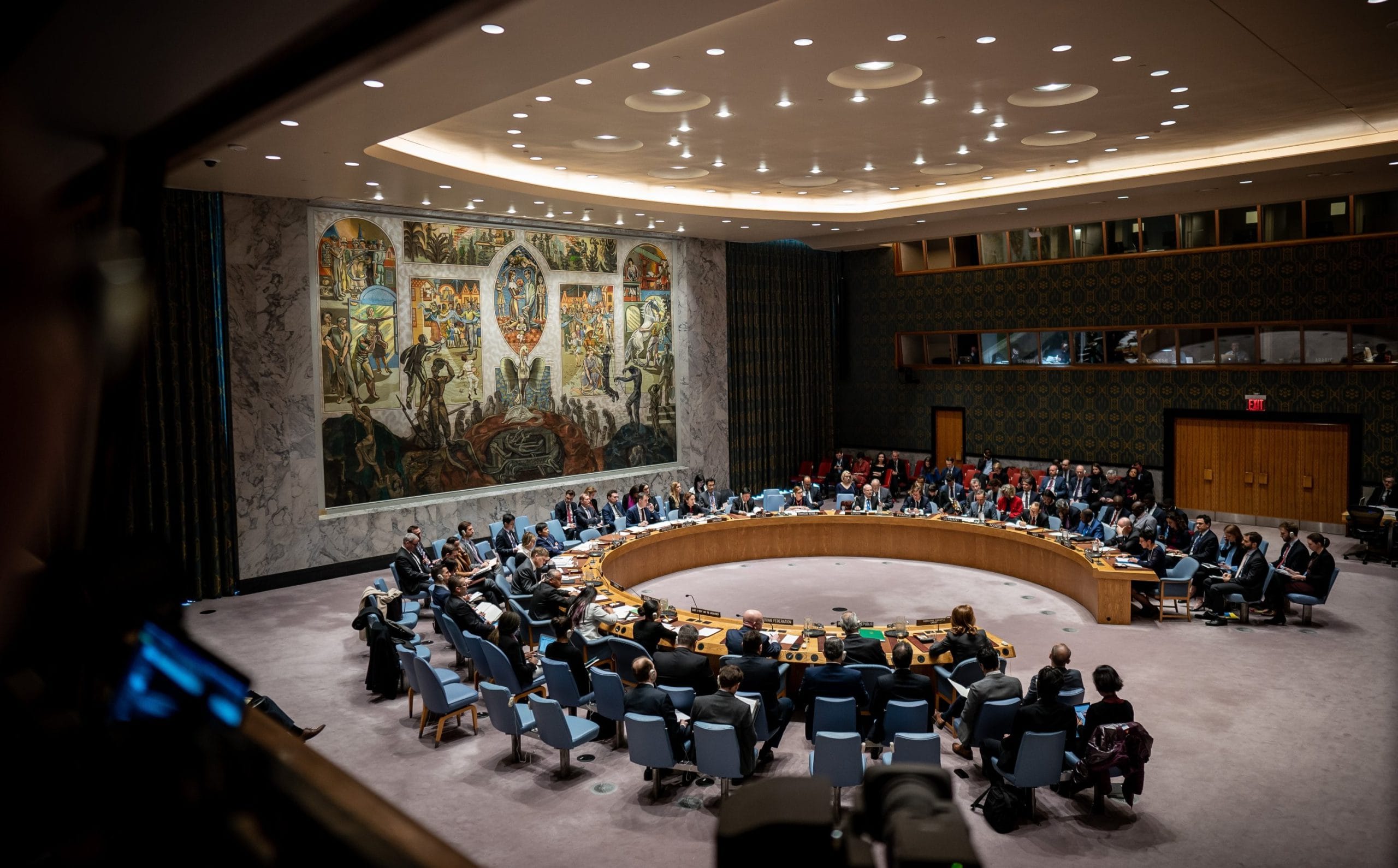
Rabat – At the 79th United Nations General Assembly, African leaders renewed their calls for significant reforms to the UN Security Council, emphasizing the need for permanent representation with veto power for the continent.
The longstanding issue of UN reform, which has been in discussion for decades, was pushed into the spotlight once again as African nations voiced concerns about the council’s capacity to address global challenges effectively.
South African President Cyril Ramaphosa, at the UN’s Summit for the Future in New York, spoke on the urgent need to overhaul the Security Council, describing it as “no longer appropriate” for contemporary global issues.
“Placing the fate of global security in the hands of a privileged few, while it is the vast majority who bear the brunt of these threats is unjust, unfair, and unsustainable,” Ramaphosa declared, in reference to the council’s current structure, which has remained unchanged since the mid-20th century.
The Security Council, with five permanent members holding veto power, has long been criticized for its lack of representation from regions like Africa and Latin America.
African leaders argue that this imbalance prevents the UN from responding effectively to crises on the continent, where ongoing conflicts, human rights abuses, and climate change have created devastating humanitarian conditions.
Ramaphosa’s sentiments echo a broader consensus that has been building in Africa since 2005. Known as the “Ezulwini Consensus,” African nations have demanded full representation in all UN decision-making bodies, particularly the Security Council.
This includes the right to hold two permanent seats with veto power, a position African leaders see as critical to ensuring the continent’s interests are adequately represented on the global stage.
Historical examples of the UN’s shortcomings in Africa were highlighted, particularly the 1994 Rwandan genocide. At the time, the Security Council was accused of blindness for failing to intervene swiftly.
This push for reform, while facing significant diplomatic hurdles, remains a central focus for Africa’s leadership in its quest for a more just and equitable international order.