
Erfoud – Minister of Agriculture Ahmed El Bouari, officially kicked off the 13th edition of the International Date Fair in Morocco, known as SIDATTES, on October 30, in the oasis haven of Erfoud.
The opening ceremony focused on Morocco’s commitment to promoting the date palm sector in the face of growing climate challenges and emphasized sustainable development in the country’s oasis regions.
Organized by the Ministry of Agriculture in partnership with the Association of the International Date Salon of Morocco (ASIDMA), SIDATTES 2024 aims to advance the growth and sustainability of Morocco’s date palm industry.
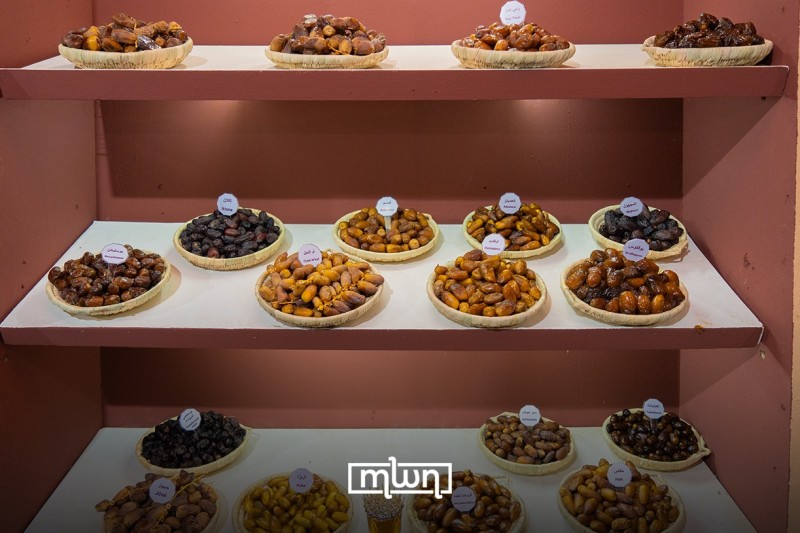
This year, SIDATTES reaffirms its status as a prominent industry event, attracting professionals and visitors from around the world. With over 90,000 attendees expected, the fair continues to serve as a vital platform for advancing Morocco’s date sector and fostering international collaboration.
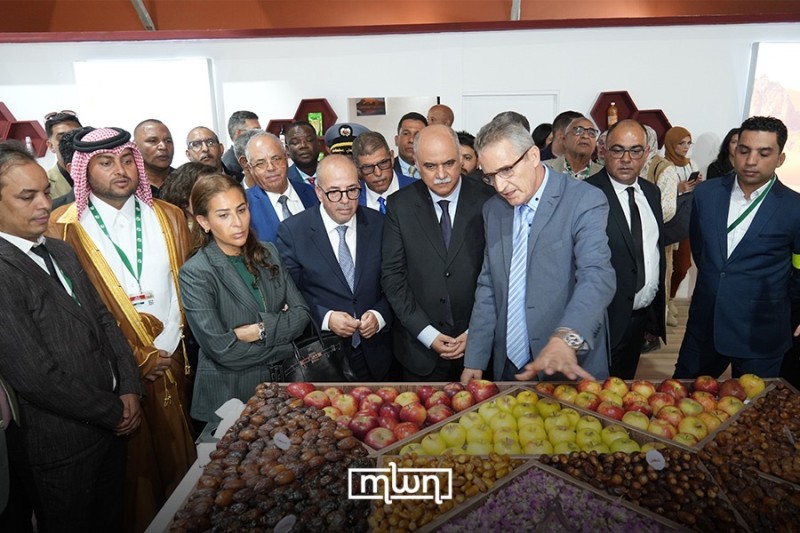
During his visit to SIDATTES 2024, Minister El Bouari explored the fair’s seven primary hubs, engaging with exhibitors and industry representatives. He met with foreign delegations, companies specializing in agricultural supplies and machinery, and local cooperatives focused on date and regional products.
The visit also included the signing of various organizational partnerships meant to bolster the date agricultural landscape.
The minister presided over the signing of a framework agreement and four specific agreements between the National Interprofessional Federation of the Date Sector (Maroc Dattes) and the National Agricultural Advisory Office (ONCA), which will facilitate training and awareness programs for farmers and cooperatives. Additionally, Crédit Agricole (CAM) and the Association of Modern Date Producers (APM) signed an agreement to support financing for date production activities.

El Bouari was accompanied by high-ranking officials, including the Wali of the Drâa-Tafilalet region, the Governor of Errachidia Province, and the President of the Regional Council, alongside various agricultural chamber presidents, elected representatives, and professionals from the agricultural sector.
Read also:
“The date palm sector embodies solidarity and plays a central role in public policies focused on sustainable development in oasis regions. This includes the structural transformation of the local economy, creating added value, and promoting local employment, especially for young people,” stated the Minister of Agriculture.
He added, “SIDATTES provides an important opportunity to highlight the significance of supporting youth employment initiatives, particularly by encouraging local social entrepreneurship and expanding access to innovation, financing, and training and capacity-building programs.”
On the sidelines of his visit, the minister assessed the progress of agricultural and rural development projects in Ouled Chaker, Erfoud, implemented under the “Generation Green Strategy” (Green Morocco Plan).
This initiative focuses on a national program designed to combat wildfires and rehabilitate oases, carried out through partnerships among various stakeholders. The program includes developing access roads, equipping oases with fire hydrants, installing solar lighting, establishing civil protection centers, and setting up surveillance towers for rapid intervention.
Minister El Bouari stated that “The Green Morocco Plan has surpassed its initial targets in both plantation and production, thanks to collaborative efforts between the state and industry professionals through contract programs that have transformed the date sector from basic production to comprehensive processing.”
These achievements lay a strong foundation for sustainable development under the Generation Green Strategy, which sets ambitious goals to be reached by 2030.

The strategy includes plans to plant 5 million trees, with 3 million dedicated to traditional palm groves. It aims to increase the area of date cultivation beyond traditional groves from 14,000 to 21,000 hectares and to raise production levels to 300,000 tons, explained the minister in number.
Furthermore, the strategy seeks to enhance the packaging rate from 8% in 2020 to 50% by 2030 and to boost processing rates from the current 0.3% to 10%.
It also aims to significantly expand date exports, increasing from 3,600 tons in 2020 to 70,000 tons. These objectives are designed to strengthen Morocco’s position in the date palm industry while promoting economic growth and environmental sustainability.